Schools, educators and youth enabled to drive waste action in KZN

Schools, educators and youth enabled to drive waste action in KZN

Across KwaZulu-Natal this March, WESSA and its partners consistently engaged in environmental action through a series of initiatives focused on waste management, recycling, and youth engagement.

From classrooms to communities, these efforts are equipping learners and educators with the tools, knowledge and motivation needed to drive meaningful impact for long-term benefits to their communities.


Mobilising youth for Global Recycling Day


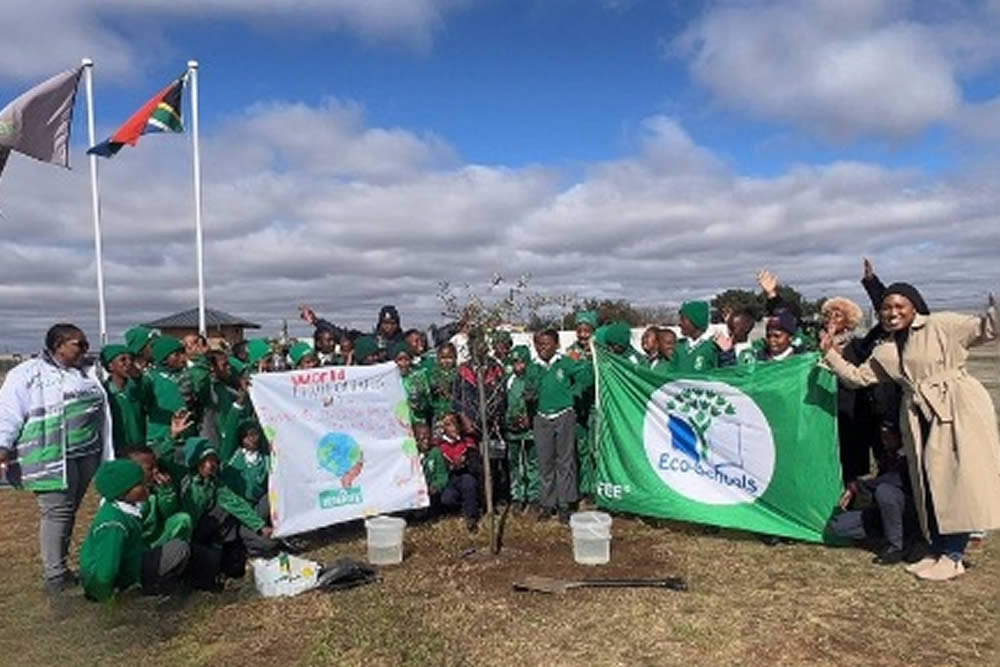
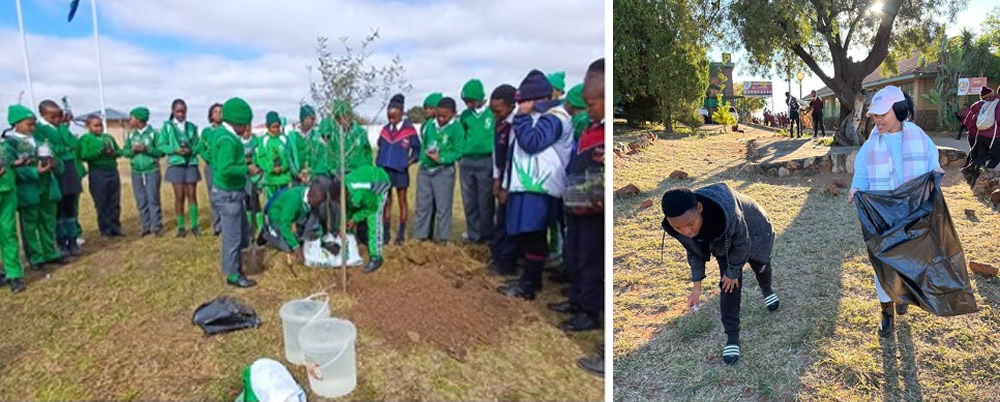
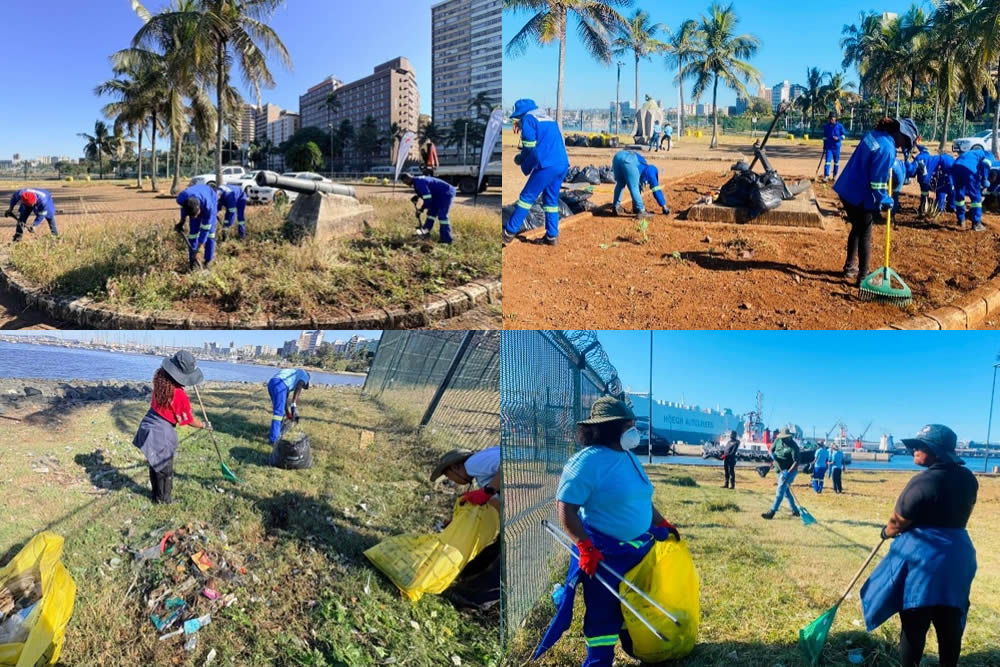
On 18 March 2026, WESSA partnered with the Green Youth Network to mark Global Recycling Day through a community clean-up in Umlazi.

Young environmental enthusiasts actively participated, volunteering their time to take meaningful action in protecting their local environment. The initiative reminds us of the power of youth-led action in building a culture of environmental responsibility and collective care.


Educators equipped to strengthen recycling in schools


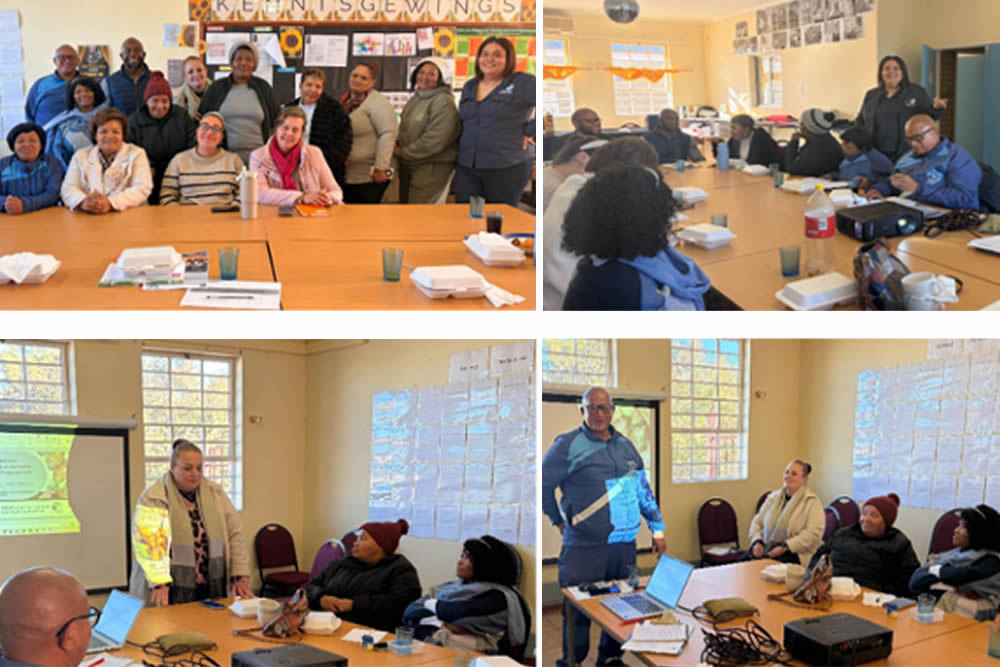
On 17 March 2026, Durban Solid Waste (DSW), in partnership with WESSA and various stakeholder organisations, hosted an Educators’ Workshop for the Schools Recycling Competition at the Stable Theatre.

The workshop engaged approximately 80 teachers from across the eThekwini Municipality, equipping them with practical tools and knowledge to strengthen recycling initiatives within schools.

The programme, directed by Mr S. Makhanya and Ms. L. Shabalala, featured contributions from key industry partners including MetPacSA, Fibre Circle, Polyco, WESSA, and Manaza Recycling, alongside interactive sessions led by the Waste Management Directorate.

The engagement created a platform for knowledge exchange and collaboration, reinforcing the critical role educators play in embedding sustainable waste practices within school communities.


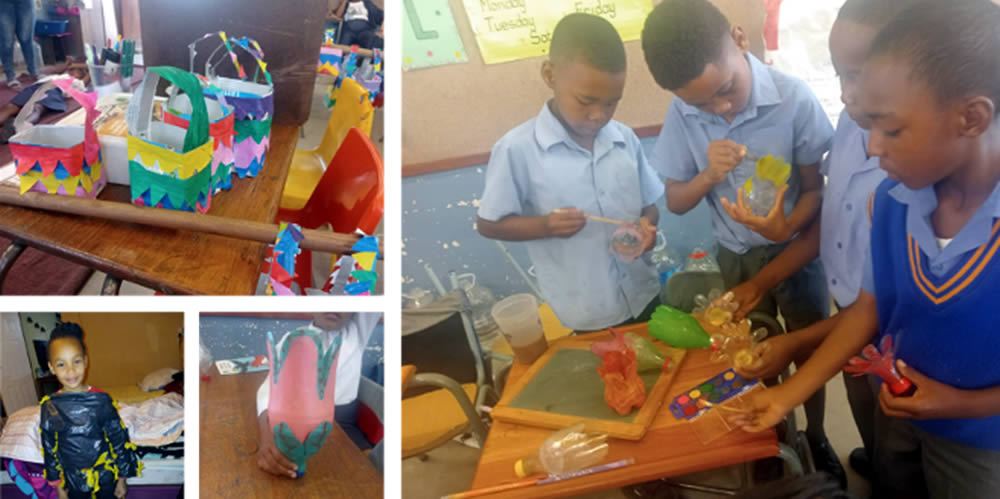
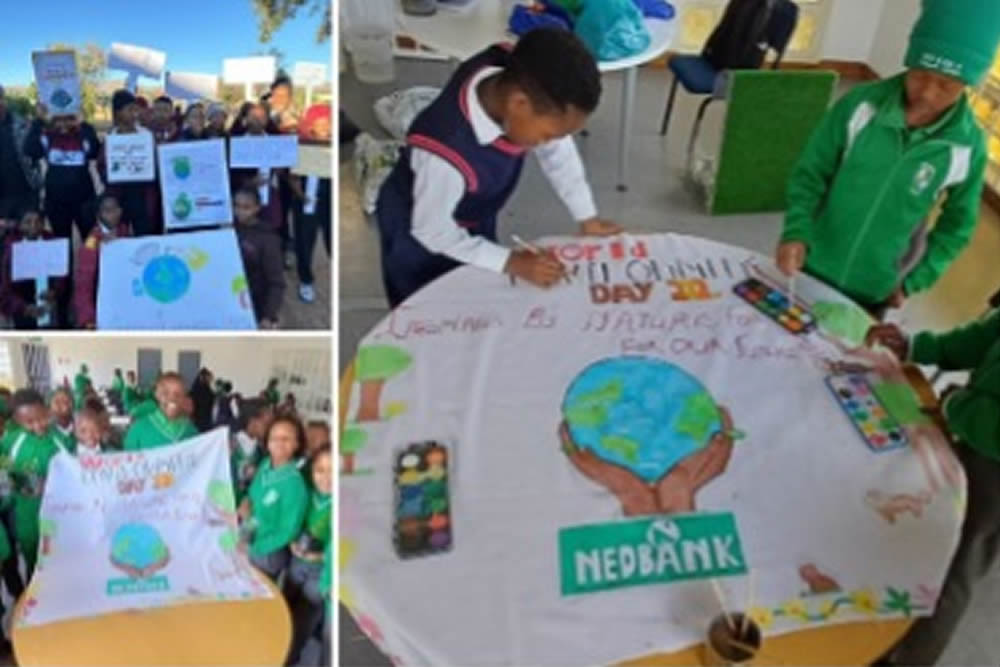
Eco-Schools waste education


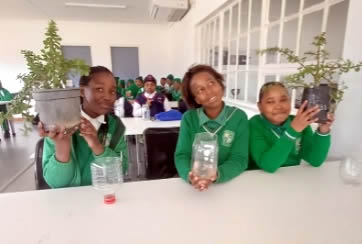
On 13 March 2026, WESSA facilitated an Eco-Schools workshop at Palmview Secondary School, supported by Sun International.

Learners and eco-teachers were equipped with practical guidance on implementing the Waste theme within their schools, alongside tools to establish strong and effective Eco-Committee structures aligned with the Eco-Schools Programme 7-step framework.

The session sparked strong enthusiasm among learners, reinforcing their role as active participants in driving sustainability initiatives within their school environments.


Building a culture of waste responsibility


Together, these initiatives demonstrate how WESSA and its partners are strengthening the link between education and action, ensuring that learners, educators and communities are equipped to address waste challenges in practical and impactful ways.

As WESSA marks its 100th year, this growing momentum reflects a collective commitment to shaping more sustainable, responsible and resilient communities across South Africa.

120+ Gauteng schools recognised for Environmental Leadership at WESSA Eco-Schools Awards 2025

120+ Gauteng schools recognised for Environmental Leadership at WESSA Eco-Schools Awards 2025

Pictured: Group photo of 2025 award recipients, Gauteng Eco-Schools

Multi-stakeholder partnerships power measurable sustainability outcomes in over 120 Gauteng schools

Johannesburg, South Africa – 4 March 2026: Gauteng’s schools took centre stage at the WESSA Eco-Schools Awards Ceremony, held at The Garden Venue Hotel on 27 February 2026, where educators, learners, partners and government representatives gathered to recognise measurable environmental action across the province.

Hosted by WESSA (The Wildlife and Environment Society of South Africa) during its centenary year, the ceremony recognised schools implementing practical sustainability initiatives ranging from biodiversity restoration and waste management to water stewardship and community outreach.

Opening the ceremony, WESSA CEO Cindy-Lee Cloete situated the moment within the organisation’s historic milestone, “Whether you’ve been with us for decades or just a couple of days, today you are part of something extraordinary, because we sit at 100 this year – 100 years of citizen action, 100 years of environmental leadership, 100 years of believing that education is the lever that will make a change in our communities and in our schools.”

Pictured above: WESSA CEO Cindy-Lee Cloete

She emphasised that the Eco-Schools programme represents more than environmental awareness, Cloete shared that, “EcoSchools in South Africa is one of the most impactful environmental education programmes in this country, not just a WESSA programme, but a teacher movement and a learner-led action campaign.”

Education as nation building

Addressing principals and educators in the room, Cloete highlighted the enduring power of classroom leadership, “Policy can shift, funding cycles can fluctuate, governments can change, economies can wobble – but a teacher in a classroom committed to raising environmentally conscious citizens, that is nation building; that is long-term change.” She reminded schools that their work extends far beyond compliance with curriculum requirements, “You are not just delivering a curriculum; you are shaping citizens for the future and raising a generation that will not see sustainability as a project, but as a way of being.”

The keynote address by Ms Dululu Hlatshaneni, Deputy Director: Social Cohesion and Equity in Education at the Department of Basic Education, affirmed the programme’s provincial impact, stating that, “In this cycle alone, 622 schools are participating nationally, and here in Gauteng we celebrate over 100 schools whose commitment to environmental education is transforming their communities. These achievements reflect leadership, innovation and a shared vision for sustainable development.”

Pictured above: Ms Dululu Hlatshaneni, Deputy Director: Social Cohesion and Equity in Education at the Department of Basic Education

From waste to water, showcasing measurable impact

Selected schools showcased projects demonstrating the depth of environmental action taking place across Gauteng:

  • ADvTECH Schools reported 98 environmental projects implemented across 42 participating schools in 2025 alone, alongside 253 environmental days and 254 environmental lessons delivered.
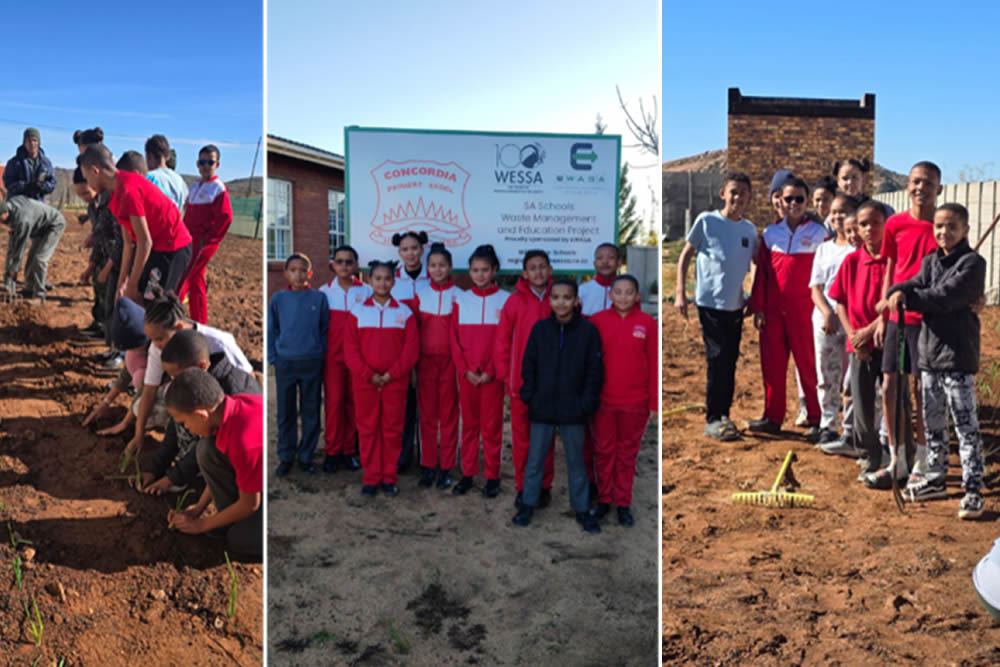
  • The eWASA & WESSA SA Schools Waste Management and Education Project reached more than 2,700 learners and 70 teachers, with schools recycling over 16,000 kilograms of waste.
  • Under the UNICEF Green Rising Project, Phase 1 reached over 12,000 people across 66 schools and communities nationally, planted 2,148 trees, cleaned 700 tons of waste and rehabilitated 260 hectares of land.

A spotlight on leadership with these special awards

Several schools were recognised for exceptional thematic leadership:

  • Biodiversity Stewardship Award: Ipontshe Primary School
  • Circular Economy Champion Award: Diepsloot Secondary School No. 3 (recycling over 8,000kg of waste and demonstrating innovation in reuse initiatives)
  • Water Wise Warriors Award: Moduopo Primary School
  • Ubuntu for Nature Award: Pinnacle Colleges Rynfield
  • Eco-Innovation Award: Waterkloof House Preparatory School

“When young people feel connected to nature, they feel connected to themselves and through our Eco-Schools programme we are raising a generation that will protect who we are into the future,” adds Cloete.

The ceremony also honoured long-standing corporate and institutional partners including ADvTECH, AECI, Clean Air Fund, the Department of Basic Education, Department of Forestry, Fisheries and the Environment (DFFE), ENGIE, eWASA, First Rand Foundation, Groundwork, Modderfontein Conservation Society, N3TC, Nedbank, South African Institute of International Affairs (SAIIA), South African National Biodiversity Institute (SANBI), Sun International, UNICEF and WISPECO Aluminium.

As WESSA enters its second century, Cloete closed with a call to collective responsibility: “The next century of WESSA belongs to all of you and it begins with all of us. Remember: together, we educate, we advocate, we act for our natural heritage.”

Full list of Schools recognised – As awarded at the Gauteng Eco-Schools Awards Ceremony 2025)

ADvTECH Schools

  • Platinum 2 Decade (Year 17): Pecanwood College (also recipient of the ADvTECH Snippets Award)
  • Green Flag Decade (Year 13): Pinnacle Colleges Ridge View
  • Bronze Decade (Year 11): Tyger Valley College
  • Platinum 2 (Year 7): Crawford International Sandton
  • Gold Award (Year 4): Trinityhouse Little Falls
  • Silver Award (Year 2):
    • Abbotts High School Centurion
    • Abbotts High School Johannesburg South
    • Abbotts High School Northcliff
    • Abbotts High School Pretoria East
    • Crawford International Bedfordview
    • Crawford International Bryanston
    • Crawford International Fourways
    • Crawford International Lonehill
    • Crawford International Pretoria
    • Crawford International Ruimsig
    • Junior Colleges Fourways
    • Junior Colleges Meyersdal
    • Junior Colleges Raslouw
    • Junior Colleges Ridge View
    • Junior Colleges Sunninghill
    • Maragon Mooikloof
    • Maragon Olympus
    • Southdowns College
    • Pinnacle Colleges Copperleaf
    • Pinnacle Colleges Founders Hill
    • Pinnacle Colleges Kyalami
    • Pinnacle Colleges Linden
    • Pinnacle Colleges Raslouw
    • Pinnacle Colleges Rynfield
    • Pinnacle Colleges Waterfall
    • The Bridge School Lonehill
    • The Bridge School Morningside
    • Trinityhouse Centurion
    • Trinityhouse Glenvista
    • Trinityhouse Randpark Ridge

eWASA & WESSA SA Schools Waste Management Project

Silver Award (Year 2):

  • Diepsloot Combined School
  • Diepsloot Secondary School No. 3
  • Diepsloot West Secondary School
  • Itirele-Zenzele Comprehensive School
  • Masisebenze Comprehensive School
  • Masiqhakaze Secondary School
  • Sunrise High School
  • Tembisa West Secondary School
  • Winnie Mandela Secondary School
  • Zitikeni Secondary School

AECI & Modderfontein Conservation Society

  • Green Flag (Year 3) & LEAF Award: Ikage Primary School
  • Silver (Year 2) & LEAF Awards:
    • Bovet Primary School
    • Iphutheng Primary School
    • OR Tambo Primary School
    • Zenzeleni Primary School

Sun International Eco-Schools Project

  • Platinum 2 (Year 7):
    • Ipontshe Primary School
    • Moduopo Primary School
  • Gold (Year 4):
    • Buhlebemfundo Secondary School
    • Ekukhanyisweni Primary School
    • Mamelodi East Prevocational School
    • Soshanguve Secondary
    • Tembisa School of Specialization
    • Tsimong Primary School

N3TC Eco-Schools

  • Green Flag Decade (Year 13):
    • Ntataise Educare Centre
    • Zenzeleni Educare Centre
  • Bronze Decade (Year 11): Zamaleka Primary School
  • Diamond (Year 10): Phomello Primary School
  • Platinum 4 (Year 9): Thuto ke Lesedi Educare Centre
  • Platinum 1 (Year 6):
    • Qalabotjha Creche
    • Qalabotjha Secondary School
  • International Flag (Year 5): Retshedisitswe Secondary School

WISPECO Aluminium Eco-Schools

  • Strelitzia (21 Years): Monde Primary School
  • Silver (Year 2): Tamaho Primary School
  • Bronze (Year 1): Naledi Pre School

Independently Registered Schools (Department of Basic Education)

  • Strelitzia (Year 20 – 2024) & Arum Lily (Year 21 – 2025): Laerskool Anton Van Wouw
  • Emerald (Year 20): St Andrew’s School for Girls
  • Platinum 3 Decade (Year 17): Waterkloof House Preparatory School
  • Platinum 1 Decade (Year 16): Brescia House School
  • Green Flag Decade (Year 13): Jiyana Secondary School
  • Bronze Decade (Year 11): St Peter’s Prep School
  • Platinum 2 (Year 7): Jeppe High School for Girls
  • Platinum 1 (Year 6): Jan Celliers Laerskool en Pre-Primêr
  • International Flag (Year 5):
    • Hoërskool Zwartkop
    • Sedi-Laka Primary School
  • Gold (Year 4):
    • Canterbury Preparatory School
    • Comforters Kiddies Care Centre
    • Zama Zama New School of Hope
  • Green Flag (Year 3):
    • Kyalami Preparatory School
    • Pridwin Preparatory School
  • Silver (Year 2):
    • St Stithians College
    • Yellow Wood Environmental Preparatory School
  • Bronze (Year 1):
    • Beaulieu Preparatory School
    • Bryanston Primary School
    • Thorntree Primary School
Conservation insights from the Magaliesberg Biosphere

Conservation insights from the Magaliesberg Biosphere

Vultures, Leopards and Spiritual Stewardship

In the WESSA Northern Area Region, recent expert talks explored the mounting pressures facing wildlife in South Africa’s Magaliesberg Biosphere – from poisoning and snares to land-use change and the environmental impact of cultural practices.

Contributions from John Wesson, Dr John Ledger, Dr Leanne Venter and Dr Cathy Dzerefos underscored a common theme: conservation in human-dominated landscapes demands data-driven action, strong partnerships and cultural sensitivity.

Pictured above: Presenters Dr Cathy Dzerefos, Dr John Ledger, Dr Leanne Venter and John Wesson

Vulture decline: old world giants under siege

John Wesson outlined the status of vulture species in South Africa, distinguishing between “old age” vultures —mostly African, open-country dwellers— and “new age” vultures found in the Americas and dense forests.

Particular focus was placed on Cape vultures, now classified as endangered due to multiple threats. Lappet-faced vultures hold the title for the largest wingspan, while white-backed vultures — though abundant in Kruger National Park — are critically endangered, with only 40,000–50,000 individuals remaining.

Poisoning has driven sharp declines in vulture populations, compounded by elephants disrupting nesting trees.

Dr John Ledger expanded on the status of Cape vultures in the Magaliesberg, tracing the historical relationship between humans and vultures, including the role of social and traditional beliefs. Events such as the Anglo-Boer Wars accelerated population crashes.

Today, vultures face a complex web of threats: shooting, poisoning, land-use change, food shortages, powerlines, wind turbines and veterinary drugs. The message was clear: urgent mitigation is needed.

Apex predators in a snare-riddled landscape

Dr Leanne Venter provided an update on Magaliesberg’s leopard population. Leopards are highly adaptable apex predators that roam widely outside protected areas. However, survival rates drop significantly in human-dominated landscapes compared to those inside reserves.

Accidental snaring for bushmeat remains a leading cause of leopard mortality. Snares also alter leopard behaviour, as animals are drawn to scavenge trapped prey at snare sites.

To counter this, Dr Venter’s team focuses on snare removal, making poaching less viable. Fewer wires in the landscape increase costs and effort for criminals. Between 2017 and 2021, snare numbers dropped across six monitored sites.

Current efforts include:

  • Developing predictive models to identify snare hotspots
  • Strengthening landowner and conservation partnerships
  • Raising community awareness
  • Launching a new 2026–2027 citizen science project to bolster leopard conservation

As apex predators, leopards play a vital role in maintaining ecosystem balance. The Magaliesberg remains an important refuge within an increasingly human-dominated landscape. Long-term survival will depend on curbing snares, building strong collaborations and implementing evidence-based strategies.

Spiritual healing meets environmental stewardship

Dr Cathy Dzerefos explored the intersection of African spiritual practices and environmental stewardship in the Magaliesberg.

Healing ceremonies, while culturally significant, can impact rivers through candle wax and waste that are often left behind. In one instance, an unattended candle led to a fire that destroyed a nature reserve.

Working alongside traditional healer Dr Mabena from Mamelodi who shares environmental concerns, Dr Dzerefos highlighted opportunities for collaboration rather than conflict.

At Majankaneng forest, which contains multiple streams accessible to local communities, painted signage now discourages littering after ceremonies. These initiatives are encouraging healers and communities to become environmental stewards, demonstrating how cultural practices can align with conservation goals.

A Call for Holistic Conservation

Together, these expert insights reflect the interconnected threats facing the Magaliesberg Biosphere: habitat loss, human-wildlife conflict and cultural impacts all require integrated responses.

By combining science, partnerships and cultural sensitivity, conservation efforts in the Magaliesberg can move beyond crisis response towards long-term resilience.

Safeguarding biodiversity in this landscape will depend not only on enforcement and mitigation, but on shared responsibility across communities, landowners, conservationists and cultural leaders alike.

Thank you WESSA volunteers for your impact in protecting our biodiversity and natural heritage!


ADvTECH Schools: February 2026 activities inspire young environmental stewards

ADvTECH Schools: February 2026 activities inspire young environmental stewards

Pictured above: Learners presenting female scientists and conducting science experiments in the lab.

Across the ADvTECH school network, learners marked key environmental and science awareness moments during February through hands-on activities, creative exploration and peer-to-peer learning. From celebrating women in science, to learning about endangered wildlife and the importance of ocean health, these activities showed how environmental education can spark curiosity and empower learners of all ages to better understand the world around them.

Pecanwood College: Celebrating Women and Girls in Science

On 11 February, learners at Pecanwood College marked the global celebration of Women and Girls in Science with an engaging, learner-led event. Grade 11 science learners took the lead in teaching their peers about the achievements of influential female scientists and the groundbreaking discoveries they have contributed to the world.

Through a series of presentations and discussions, learners highlighted the inventions and scientific breakthroughs made by women across different fields. To make the experience interactive and inspiring, the group also conducted additional experiments outside of their normal classroom activities, demonstrating how science can be both accessible and exciting.

Learners further explored the topic by watching a video highlighting successful women in science and the difference their work has made globally. These activities encouraged discussion, curiosity and recognition of the role women continue to play in advancing scientific knowledge.

The event fostered peer-to-peer learning, with female learners confidently sharing their knowledge and enthusiasm for science with fellow students. Discussions also increased awareness of the important contributions women have made to scientific progress.

Pecanwood College Pre-Prep: World Whale Day sparks ocean curiosity

Pictured above: Classroom whale painting activity and learners with their whale artwork.

On 15 February, the Pecanwood College Pre-Prep celebrated World Whale Day through a series of creative and educational classroom activities designed to raise awareness about whales and their role in healthy oceans.

Each class approached the topic in different ways, blending science, storytelling, art and exploration to help learners understand marine life.

The youngest learners, the Grade 0000 class, explored whales through songs and stories and collaborated on a group art project where they used water and droppers to paint a large whale artwork.

In Grade 000, learners discussed the story of Jonah and the whale, exploring what type of whale it might have been and whether it would have had teeth or baleen. They then drew their own interpretations of the whale based on what they had learned.

The Grade 00 learners designed their own whales and presented them to the class, practising skills such as observation, questioning and sharing ideas. They also explored water, bubbles and ice while creating suncatcher artwork.

In Grade 0, learners examined how whales contribute to ocean health. Through discussion, observation and shared research, they expressed their understanding by drawing and painting their interpretations of these remarkable marine animals.

Together, these activities helped build awareness about whales and their importance in marine ecosystems, while also encouraging creativity, curiosity and early scientific thinking.

Junior Colleges Meyersdal: Young learners celebrate World Pangolin Day

Pictured above: Learners participating in pangolin artwork activity and showcasing their classroom Pangolin display.

At Junior Colleges Meyersdal, even the youngest learners took part in environmental learning by celebrating World Pangolin Day on 21 February 2026.

Learners aged two to six years old were introduced to the pangolin, one of the world’s most unique yet threatened animals. Teachers explained what pangolins are, why they are endangered, and why protecting wildlife is important for our planet.

The classes also explored ten interesting facts about pangolins, helping learners understand these fascinating animals in a way that was engaging and age appropriate.

Creativity played a central role in the learning process. Learners created colourful pangolin-inspired artwork using a variety of materials, turning their new knowledge into visual expressions of what they had learned about the species.

Through storytelling, discussion and creative activities, the young learners began developing an early appreciation for wildlife conservation and the importance of protecting endangered animals.

Learning that inspires action

Across these activities, ADvTECH schools demonstrated how environmental education can be brought to life through curiosity-driven learning. Whether exploring the achievements of women in science, discovering endangered wildlife like the pangolin, or learning about the vital role whales play in ocean ecosystems, learners engaged with real-world environmental themes in ways that were both meaningful and memorable.

By combining creativity, discussion and hands-on exploration, these initiatives help nurture a generation of learners who are not only informed but inspired to care for the natural world.

Green Rising Phase 2: From assembly halls to action

Green Rising Phase 2: From assembly halls to action

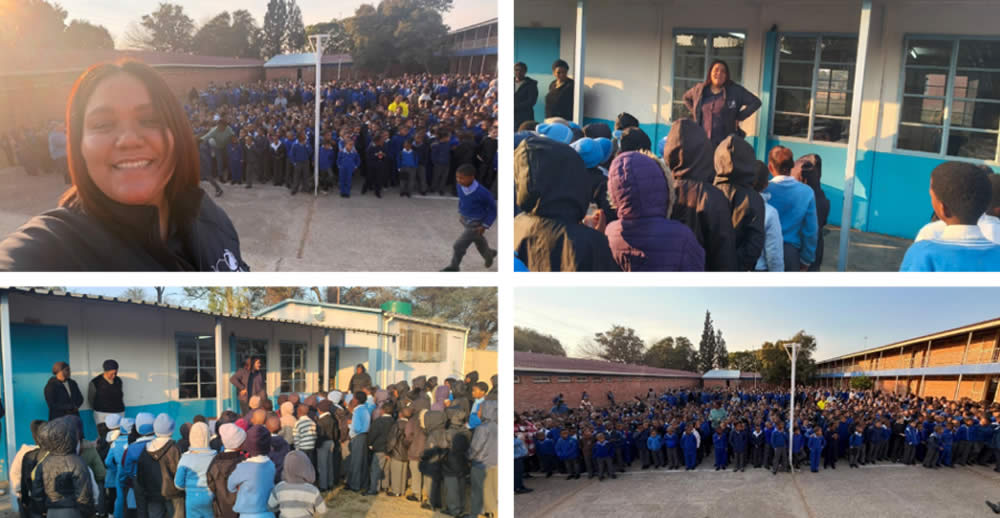
Environmental change often begins with a moment of realisation, a conversation, a story, or a simple question that makes young people see their surroundings differently.

Through the Green Rising Phase 2 School Challenge, WESSA is helping spark those moments across South African schools, enabling learners to understand their role in protecting the environment and shaping the future of their communities.

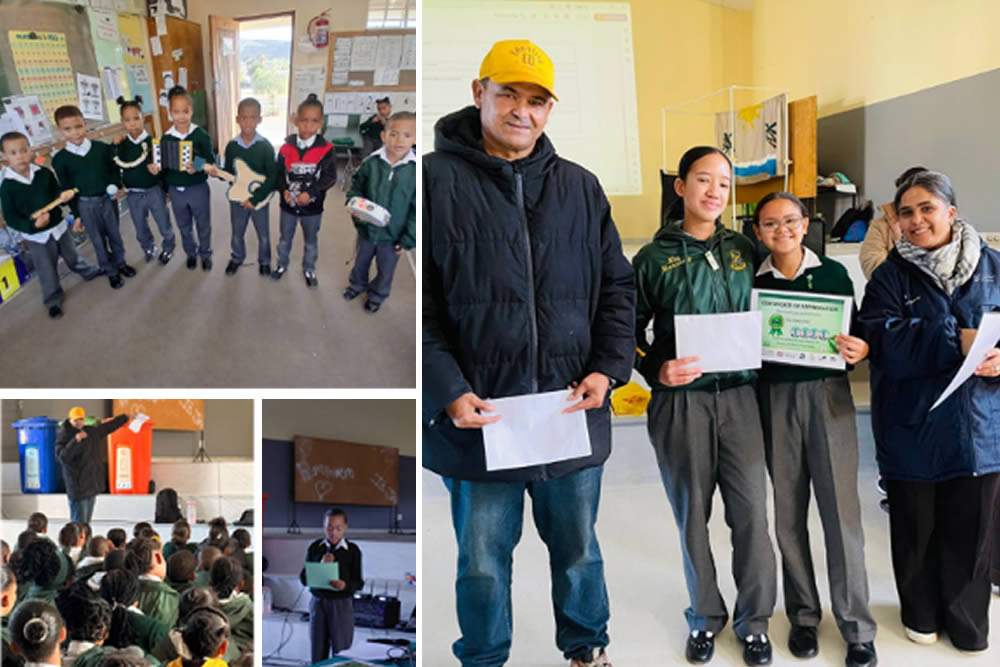
In the Western Cape Province, in partnership with the City of Cape Town’s Bingo Team, WESSA delivered a series of six high-impact environmental assemblies designed to bring environmental education directly to learners where they are –in their classrooms and school halls.

The initiative reached 4 570 learners across the city, creating a platform for environmental awareness, learning and action.

The assemblies took place at:

  • Bellville South High School

  • Firgrove Primary School

  • Fairdale Primary School

  • Intsebenziswano Senior Secondary School

  • Riverton Primary School

  • Seamount Primary School

A focus on environmental issues affecting local communities

Learners explored topics including responsible waste disposal, the reduction of littering, and the environmental and social consequences of illegal dumping. By connecting global environmental concerns to everyday local realities, the assemblies helped learners understand how individual actions contribute to the health of their neighbourhoods and natural ecosystems.

Importantly, the programme moved beyond awareness and into action. Tree planting activities formed part of the sessions, providing learners with a tangible way to contribute to environmental restoration while reinforcing the message that caring for the Earth requires both knowledge and participation.

One of the most memorable moments occurred at Bellville South High School, where a learner stepped forward to deliver a heartfelt motivational message to fellow students. Encouraging peers not to give up on their goals and to remain committed to creating positive change in their communities, the speech captured the spirit of the Green Rising initiative – that young people are not only learners, but leaders of environmental change.

Strengthening environmental literacy

Through these assemblies, thousands of learners gained new knowledge, inspiration and practical tools to become active environmental stewards. By strengthening environmental literacy and encouraging youth-led action, the Green Rising Phase 2 School Challenge continues to demonstrate how education can empower the next generation to build cleaner, safer and more sustainable communities.

At WESSA, this work reflects a simple but powerful belief: when young people are equipped with knowledge, inspiration and opportunity, they do not just learn about the environment – they rise to protect it.


WESSA and Century City Conference Centre mark milestone with first conference venue to achieve Green Key certification in Africa and Southern Hemisphere

WESSA and Century City Conference Centre mark milestone with first conference venue to achieve Green Key certification in Africa and Southern Hemisphere

Pictured from left to right: Alderman James Vos; Tevya Visser, WESSA Senior Sustainability Programme Manager; Cindy-Lee Cloete, WESSA CEO; Gary Koetser, Century City Conference Centre and Hotels, CEO.; Bernard Abrahams, Operations Manager at Century City Conference Centre; and Kelly Alcock, WESSA Head of Education and Sustainability

WESSA and Century City Conference Centre have marked a milestone moment for the global meetings and events industry, as the Cape Town venue becomes the first conference centre in Africa and the Southern Hemisphere to achieve Green Key certification – earning an exceptional 100% audit score in its first year of assessment. This achievement signals more than compliance. It signals leadership.

“For our team, the Green Key certificate together with a 100% audit score is a recognition of consistency and discipline,” says Gary Koetser, Chief Executive Officer of Century City Conference Centre and Hotels. “Being the first Conference Centre in Africa and the Southern Hemisphere to achieve this certificate matters, but what matters more is that it proves Cape Town venues can lead globally and set global benchmarks.”

The milestone positions the venue among an emerging group of global leaders demonstrating that sustainability, when embedded into infrastructure and governance, delivers measurable performance at scale.

A signal to the industry

The certification is achieved through Green Key, one of the world’s leading eco-certification programmes for tourism and hospitality. Managed in South Africa by WESSA, the programme includes independent audits and annual verification, ensuring that certification reflects sustained performance rather than a once-off achievement.

“This certification is a signal of intent and a signal of value – it shows what is possible when sustainability is not treated as a side project but woven into our everyday strategy and the decisions, we make in doing business,” says Cindy-Lee Cloete, CEO of WESSA. “What makes me most proud today is the leadership that invests in both systems and people, and that understands sustainability must sit at the heart of how we operate if we want to remain a successful, resilient organisation. This award is not a final destination; it is the start of a journey that demands ongoing commitment and real courage to go beyond basic compliance, and to keep pushing for better practice every single day.”

Sustainability built into systems, not added as an afterthought

Unlike initiatives that operate as stand-alone projects, sustainability at Century City Conference Centre has been embedded into the design and management of its operations.

From solar generation and effluent water reuse to advanced energy sub-metering and centralised building management systems, “environmental responsibility has been treated as a leadership imperative rather than a departmental function”, adds Koetser.

The Green Key audit confirmed full compliance across all imperative criteria, with several operational areas exceeding international requirements. Here are a few key highlights:

  • Rethinking waste, from disposal to design: Waste management emerged as a standout strength during the audit process. Structured separation systems are implemented across kitchens, back-of-house operations and event spaces, including organic and hazardous waste streams. Clear documentation, robust compliance procedures and strong staff engagement ensure responsible management at source. The shift has moved the operational mindset from asking “how do we dispose of waste?” to “why did we create it in the first place?” – placing the venue on a clear path towards future Net Zero Waste ambitions.
  • Water and energy stewardship in a resource-constrained context: In a country where water security remains a critical issue, the Centre has prioritised responsible water management through effluent reuse, dual-flush systems aligned with its 4-Star Green Star rating, formal leak detection protocols and continuous monitoring. Energy performance is managed through 100% LED lighting, solar generation, detailed sub-metering and centralised HVAC control via a Building Management System, enabling real-time optimisation without compromising guest comfort. The result is a venue that operates more efficiently, more predictably and with a reduced environmental footprint.
  • Responsible procurement and conscious consumption: A strong focus on responsible purchasing reinforces the Centre’s sustainability framework. Eco-labelled chemicals and consumables are used where possible throughout the facility, supported by documented compliance processes and visual verification. A structured Food Waste Reduction Plan guides procurement, menu planning, portion control and storage, while refill water stations reduce reliance on bottled water and encourage conscious guest participation.
  • Sustainability beyond the building: Sustainability at Century City Conference Centre extends beyond infrastructure to meaningful social impact. Ongoing partnerships with local organisations support youth development, community upliftment and inclusion initiatives, reinforcing the principle that responsible business must contribute to long-term wellbeing, not only operational efficiency.


For Century City Conference Centre, this milestone is not an endpoint but a foundation.

“Sustainability only becomes meaningful when it is replicated,” says Koetser. “Our focus now is on refining what we have built, scaling impact across our portfolio, and demonstrating that responsible conferencing can operate at the highest international standards.”

Attending the certification announcement, Alderman James Vos, Mayoral Committee Member for Economic Growth, welcomed the milestone as a win not only for the venue, but for Cape Town’s global competitiveness.

In a media statement issued on 22 February 2026, the City described the milestone as a significant moment for the destination’s global positioning, noting that sustainable conferencing is increasingly central to international event selection criteria and long-term economic competitiveness.

The City highlights that milestones of this nature reinforce Cape Town’s reputation as a responsible, future-focused meetings and events hub, strengthening the broader tourism, hospitality and investment ecosystem while demonstrating that local infrastructure can meet and exceed global sustainability expectations.

As global clients increasingly demand verified, measurable sustainability performance, this achievement sends a clear message: African venues are not merely participating in the global sustainability conversation, they are helping to lead it.

For all Green Key Programme queries, reach out to Tevya Visser, WESSA Senior Sustainable Programme Manager via e-mail at greenkey@wessa.co.za.

About Green Key
Coordinated internationally by the Foundation for Environmental Education (FEE), Green Key is the leading global eco-certification for the tourism and hospitality industry. The programme recognises establishments that uphold high environmental standards through an independent auditing process and continuous improvement. https://www.wessa.org.za/green-key/

About Century City Conference Centre:

Located in the heart of Cape Town, the Century City Conference Centre is one of Africa’s leading conference and events destinations, offering world-class facilities, advanced technology, and exceptional service for meetings, conventions, exhibitions, and special events. The award-winning venue features 21 versatile spaces accommodating up to 2,000 delegates and forms part of a vibrant mixed-use precinct in Century City, Cape Town.

Committed to responsible eventing, the Centre holds a 4-Star Green Star certification from the Green Building Council of South Africa and was the first Conference Centre in the Southern Hemisphere to receive the prestigious Green Key certification through the Wildlife and Environment Society of South Africa (WESSA). The Conference Centre has also received global recognition, including GOLD at the Eventex Awards for best Venue, reflecting its ongoing leadership in sustainability, innovation, and service excellence.

Century City Conference Centre and Hotels: Group Marketing Manager: Sue Faith Levy sue.l@ccconferencecentre.co.za +27 (82) 263 0233