eWASA and WESSA bring Waste Management Education to Northern Cape schools

eWASA and WESSA bring Waste Management Education to Northern Cape schools

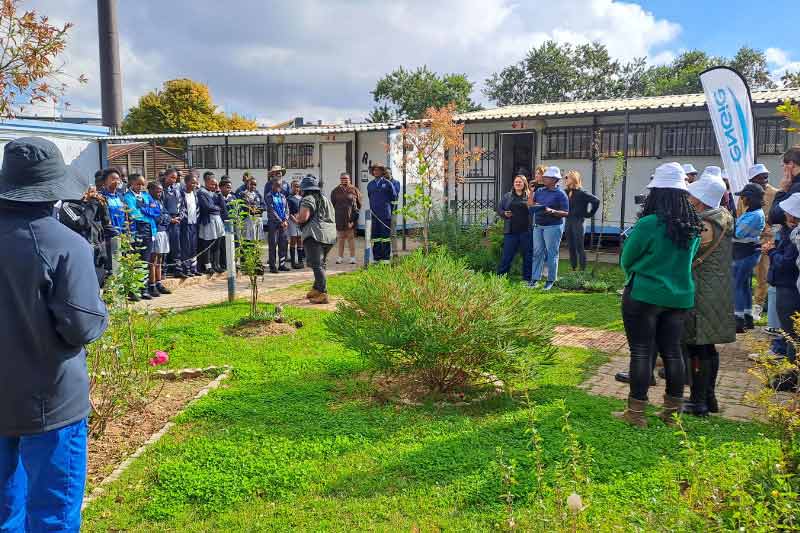
Pictured: Teachers representing 10 schools attending the eWASA & WESSA Waste Management and Education Project at Hoërskool Namakwaland

On 21 February 2026, educators from across the Northern Cape gathered in Springbok for the first eWASA and WESSA SA Schools Waste Management and Education Project workshop, hosted at Hoërskool Namakwaland.

The session brought together 24 teachers from 10 schools across Springbok and surrounding communities, marking an important step in equipping schools to address waste management challenges through environmental education and practical action.

The workshop forms part of a broader collaboration between WESSA and eWASA, aimed at strengthening environmental education while supporting schools to implement structured waste management initiatives aligned with the Eco-Schools Programme.

Building capacity through the Eco-Schools framework

A key focus of the workshop was to introduce educators to the Eco-Schools Programme and WESSA’s Seven Step Framework, a practical process designed to help schools move from environmental awareness to measurable action.

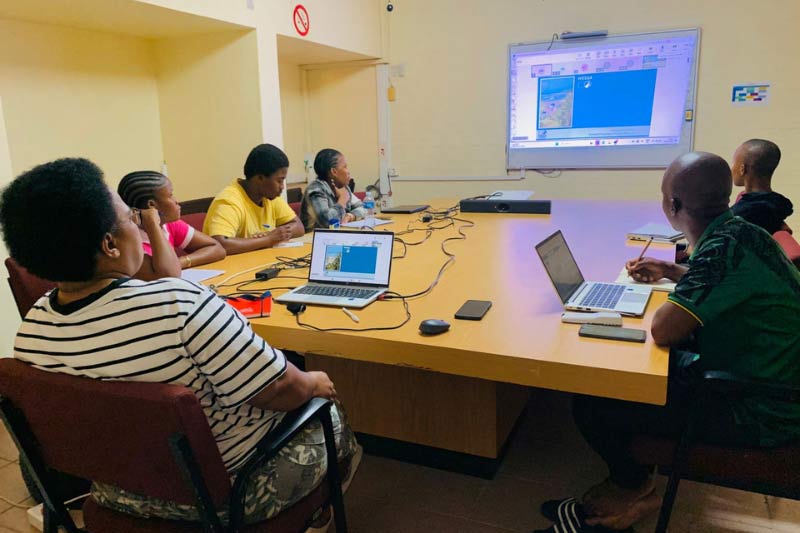
Pictured: Faciliated by Daniel Jackson, WESSA Project Manager in the Schools & Youth Unit

Through guided discussions and collaborative planning sessions, teachers explored how the framework can be applied within their own schools to support sustainability projects, strengthen environmental leadership among learners, and integrate environmental action into school activities throughout the year.

The workshop also introduced the objectives and implementation approach of the eWASA & WESSA SA Schools Waste Management and Education Project, ensuring participating educators understand how the initiative will unfold within their school communities.

Collaboration with provincial partners

The workshop was supported by representatives from the Northern Cape Department of Agriculture, Environmental Affairs, Rural Development and Land Reform, who participated in the session and assisted schools in developing their Eco-Schools action plans.

Their involvement helped ensure that schools are aligned with broader environmental priorities in the province while strengthening partnerships between education, government and environmental organisations.

Participating schools

The workshop brought together educators representing the following schools:

  1. Namaqualand High School
  2. Sacred Heart RC Primary School
  3. Ferdinand Brecher Primary
  4. Dr Izak van Niekerk Primary
  5. Okiep High School
  6. Concordia Primary School
  7. St Cyprians Primary
  8. Springbok Primary School
  9. Steinkopf High School
  10. Okiep Primary School

By participating in the project, these schools are committing to embedding environmental action within their school programmes and empowering learners to become active contributors to sustainable waste management solutions.

From planning to action

Pictured: Teachers presenting their Eco-Schools action plans

By the end of the workshop, educators had developed practical annual action plans aligned to key dates and project activities. These plans outline clear tasks, roles and responsibilities for implementing waste management initiatives within each school.

Teachers also gained a stronger understanding of how to implement, monitor and document environmental activities as part of their Eco-Schools journey, ensuring that progress can be tracked and shared across participating schools.

Just as importantly, the session created space for peer learning and collaboration, enabling educators from different schools to exchange ideas, experiences and practical approaches to environmental education.

Strengthening environmental leadership in schools

Workshops like this play a critical role in enabling educators to guide learners in addressing real environmental challenges. By focusing on practical implementation and collaboration, the eWASA and WESSA Schools Waste Management and Education Project is helping schools build the knowledge, structures and networks needed to turn environmental education into meaningful action.

As these schools begin implementing their plans throughout the year, the initiative will continue to support educators and learners in developing solutions that contribute to cleaner communities and a more sustainable future.


Clean Air Fund Project: Enabling schools in Marapong to understand air quality

Clean Air Fund Project: Enabling schools in Marapong to understand air quality

Pictured: Teachers and ground staff in attendance and that form part of the school Eco-Committee, committed to driving environmental awareness and action.

In February, WESSA took an important step in expanding environmental education around air quality through a two-day Clean Air Fund implementation visit to Ditheku Primary School in Lephalale, Marapong.

Held on 16–17 February, the sessions focused on building awareness of air pollution while equipping teachers and learners with practical knowledge and tools to understand how air quality affects their health, environment and everyday lives. More importantly, the visit laid the groundwork for long-term collaboration with participating schools, helping to embed clean air education into the broader school community.

By combining classroom learning with hands-on experimentation and real-world observation, the programme aimed to turn awareness into meaningful action.

Building knowledge through teacher development

The first day of the visit focused on teacher development, with 14 participants attending the workshop. The group included teachers from Grade R through to Grade 7, as well as members of the school’s ground staff who play an important role in maintaining the school environment.

During the session, the WESSA team introduced the Clean Air project and explored key topics including:

  • The basics of air quality
  • Sources of air pollution
  • The health impacts of polluted air
  • Practical mitigation strategies

The goal was to equip educators with the knowledge and confidence needed to integrate air quality education into everyday teaching and learning within the school.

To make the topic more relevant to the community, discussions focused on local air quality conditions and challenges experienced in the Marapong area. Participants also took part in a practical activity using an air pollution catcher experiment, allowing them to see how particulate matter can be collected and examined.

Pictured: Before the workshop commenced, the ground staff assisted with placing pollution catchers strategically around the school as part of the experiment.

Hands-on learning through experimentation

Following the setup of the air pollution catcher experiment, teachers participated in a practical session examining collected samples.

This activity allowed participants to observe and discuss particulate matter present in the air, helping them connect theoretical discussions with visible evidence from their own environment.

Through this exercise, teachers were able to reflect on what the findings might reveal about local air quality conditions and how these issues can be explored further with learners in the classroom.

Pictured: Teachers actively participating in the air pollution catcher activity, closely examining the collected samples to identify any particulate matter present in the air and discussing what the findings reveal about local air quality

Engaging learners in understanding air pollution

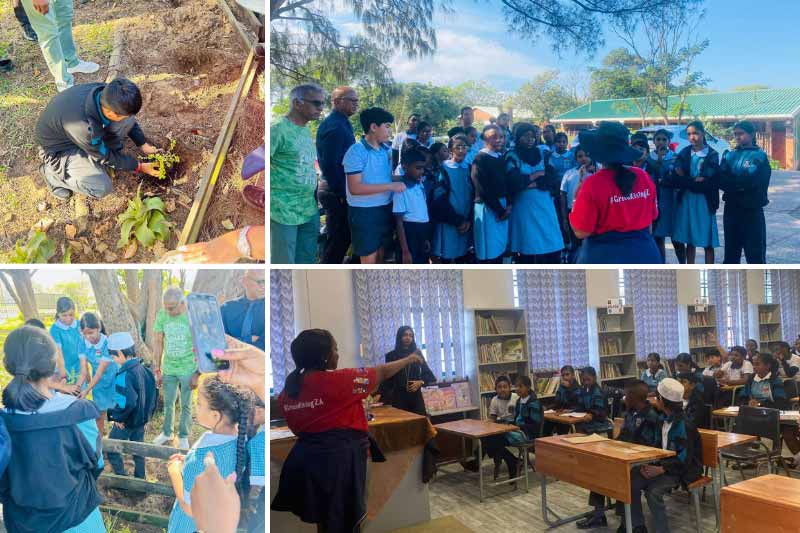
On the second day, the focus shifted to learners, with 60 students from Grade 2 to Grade 7 taking part in an interactive education session.

Pictured: WESSA facilitator engaging with learners during the education session.

The session began with a presentation introducing learners to:

  • What air pollution is
  • Common sources of pollution
  • The health impacts of polluted air
  • Possible solutions to reduce pollution

Rather than limiting the session to the classroom, the WESSA team encouraged learners to step outside and observe their surroundings more closely.

Connecting learning to local reality

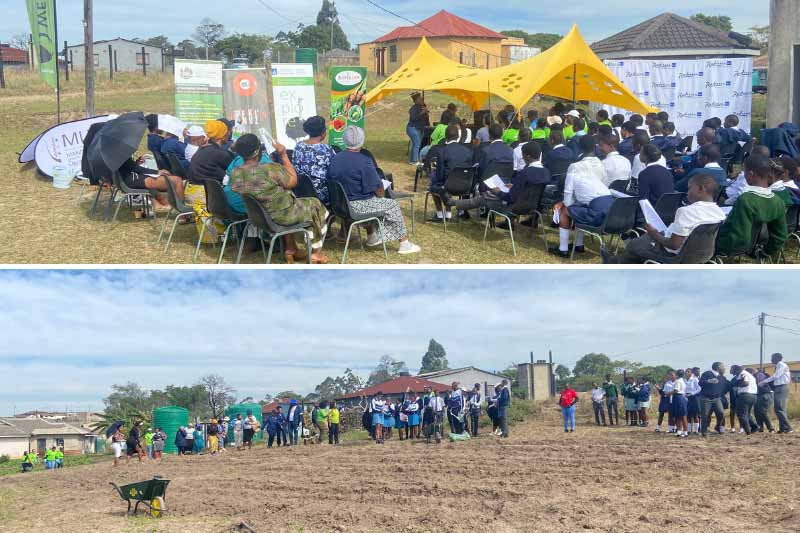
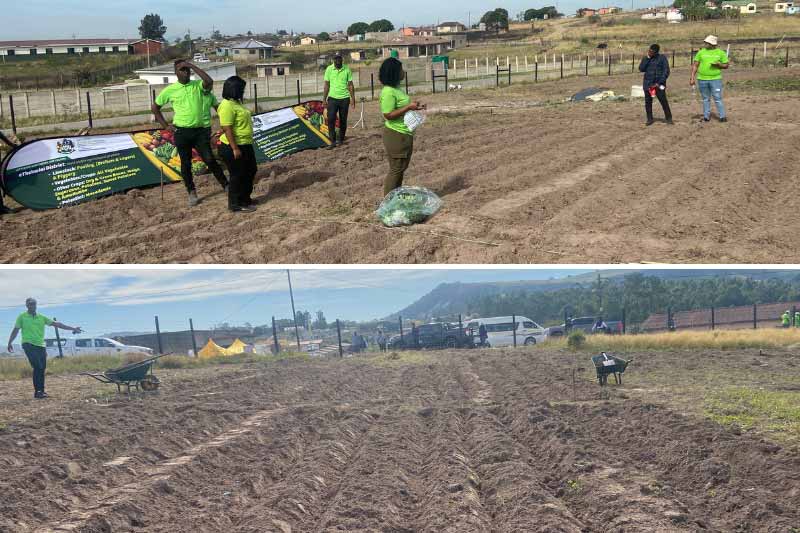
To help learners understand how air pollution affects their community, the group visited an open field behind the school where open waste burning regularly takes place.

Standing in the environment where these practices occur created a powerful moment of connection between the lesson and the learners lived reality.

Together, the group discussed how open waste burning contributes to air pollution and why improving waste management practices is essential for protecting air quality and public health.

Pictured: Waste management practices in and around the school. Learners get to further understand the connection between waste burning and air pollution.

This discussion reinforced the message that everyday actions and community practices play a role in shaping air quality.

By linking classroom learning to real-world environmental challenges, learners gained a clearer understanding of their own role in protecting the air they breathe and supporting healthier communities.

Laying the foundation for long-term impact

The two-day implementation visit represents the beginning of a broader effort to support clean air awareness and environmental education within schools and communities.

By strengthening teacher capacity, engaging learners directly, and grounding discussions in local environmental realities, the programme is helping to build a generation that is better equipped to understand and address air quality challenges.

As the partnership with participating schools continues to grow, initiatives like these demonstrate how education can empower communities to take informed action for a healthier environment and a cleaner future.

Western Cape: Youth collaborate to clear alien invasive plants in Tokai Forest

Western Cape: Youth collaborate to clear alien invasive plants in Tokai Forest

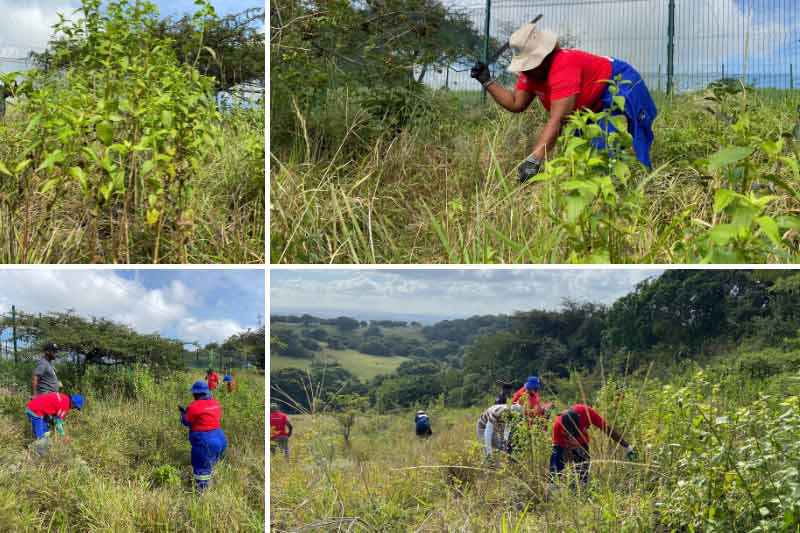
On 11 February 2026, WESSA partnered with the Lulwazi Lwethu Youth Group, Working on Fire, and The Sugarbird Project to lead an alien invasive plant clearing initiative in Tokai Forest.

Bringing together 32 participants, the event focused on restoring biodiversity within this important natural landscape while encouraging meaningful youth participation in environmental action.

Participants worked together to remove invasive plant species that threaten the integrity of Tokai Forest’s natural ecosystems, contributing directly to the rehabilitation of this vital habitat. Beyond the physical clearing, the initiative created a hands-on learning experience for young people, helping them understand the importance of ecological restoration and rewilding within South Africa’s unique biome.

The day reflected WESSA’s approach to environmental change, to Educate, Advocate and Act, by creating space for learning, encouraging awareness around the impact of alien invasive species, and enabling participants to take meaningful action in protecting local biodiversity.

Through collaboration and shared purpose, the initiative demonstrated how community-driven efforts can help restore ecosystems while empowering the next generation of environmental stewards.

WESSA unveils South Africa’s first Braille coastal environmental education signage

WESSA unveils South Africa’s first Braille coastal environmental education signage

Pictured above: Speakers and guest surround Hanlie Stehli, Nedbank’s Wellness Administrator – Business and Commercial Banking

This pilot initiative is sponsored by Nedbank, and implemented in collaboration with Blind SA, the National Council of & for Persons with Disabilities (NCPD), and City of Cape Town, with support from the Ford Wildlife Foundation.

On 11 February 2026, WESSA (The Wildlife and Environment Society of South Africa) unveiled South Africa’s first Braille coastal environmental education signage at Blaauwberg Nature Reserve’s Eerste Steen, marking a significant step towards creating more inclusive coastal experiences for all. Blaauwberg Nature Reserve was selected as the launch site as it is the first WESSA Green Coast site in South Africa, making it a strategic location to pilot the initiative ahead of planned expansion to additional Green Coast and, in time, Blue Flag sites along the coastline.

“It is not just about signage. It is about access. It is about dignity. And it is about who gets to experience South Africa’s magnificent natural heritage – and how,” says Cindy-Lee Cloete, CEO of WESSA. “This is a national first, and an important one. Our beaches and nature reserves may be public spaces, but for blind and partially sighted people, meaningful engagement with these environments has largely remained out of reach. For WESSA, this project says: that gap is not acceptable. For a century, WESSA has worked to enable people to care for the earth. The next century asks something more of us. It asks that we ensure everyone can experience it.”

braille signage

In his keynote address, the Minister of Forestry, Fisheries and the Environment, Willie Aucamp, reminded guests that, “We are gathered here, not simply to unveil a set of signboards, but to mark a significant step forward in how we share South Africa’s natural heritage with all her people. This revitalisation is about more than just fresh paint or new timber – it is about inclusivity. We are moving from a philosophy of ‘look and read’ to one of ‘touch, listen, feel and experience.”

This pilot initiative, sponsored by Nedbank, is delivered through WESSA’s Green Coast programme and designed to enable blind and partially sighted visitors to engage independently and meaningfully with coastal ecosystems. Nedbank has a long-standing partnership with WESSA and supports a range of conservation, education and inclusion-focused initiatives nationwide. Pedro Rhode, Executive: CBC Business Unit at Nedbank shares that, “Our purpose is to use our financial expertise to do good. Critically, we know that a truly green economy cannot exist without inclusion. That’s why we are proud to be the funding partner for this initiative. These Braille signs are not just informational tools, it represents dignity, belonging and equal access. This initiative demonstrates what can be achieved when government, civil society and the private sector work together to ensure our natural heritage belongs equally to every citizen.”

Braille signage

Pictured above: Pedro Rhode, Executive: CBC Business Unit at Nedbank; Cindy-Lee Cloete – WESSA CEO and Willie Aucamp, Minister of Forestry, Fisheries and the Environment

While South Africa’s beaches and nature reserves are public spaces, environmental interpretation has historically remained inaccessible to people with visual impairments. This initiative directly addresses that gap through Braille-specific design, descriptive clarity and outdoor durability, with the signage co-developed alongside accessibility partners Blind SA and NCPD, to ensure authenticity and technical accuracy. These organisations played a critical role in shaping the project, contributing lived-experience insight and technical guidance to ensure the signage is genuinely usable and meaningful.

braille signage event

Pictured above: (left) Braille Signage; (top right) Ryan Peters (DFFE), Abrhamam Allies (BlindSA), Hanli Stehli (Nedbank), Minister Aucamp, WESSA CEO Cindy-Lee Cloete, Pedro Rhode (Nedbank), Alderman Eddie Andrews (CoCT Deputy Mayor), Guests and representatives Blind SA; (bottom right) CoCT and Blaauwberg Nature Reserve teams with signage

“In integrated coastal management, we often speak of the ‘public trust doctrine’, the principle that coastal resources are held in trust for all people, present and future. Today, we are honouring that doctrine in a new way. We are recognising that ‘all people’ must truly mean all people – regardless of ability, regardless of how we move through the world, regardless of how we perceive it,” adds Ryan Peter, Director of Coastal Development, Department of Forestry, Fisheries and the Environment.

Abraham Allies from Blind SA spoke about what today means for visually impaired persons, “For a visually impaired visitor, this means arriving at a coastal site and not having to rely entirely on another person to explain what the visual element is all about. It means being able to read with your own hands about the environment, the wildlife, the history and the significance of this place. It means being acknowledged as a person who belongs here. Looking ahead, we are excited about the possibilities for future collaboration. This launch should not be the end, but the beginning.”

Rather than a once-off intervention, the Braille coastal signage project forms part of a longer-term accessibility pathway within WESSA’s Coastal Programme, which integrates environmental protection, education and social inclusion.

Deputy Mayor, City of Cape Town, Alderman Eddie Andrews, adds that, “Inclusivity cannot remain a well‑intended concept that lives comfortably in our strategies, policies, and speeches. Protection without access is incomplete, and sustainability without dignity is insufficient. Our coastline is a shared asset that carries ecological value, cultural memory, and public meaning, but it can only truly belong to all of us when access is intentional, inclusive, and human‑centered. By bringing Braille signage to our coastal spaces, we’re proving that thoughtful design is one of the most powerful tools we have to restore dignity, independence, and a real sense of belonging for every person who comes to the shore,”

The goal is to establish a scalable model for inclusive environmental education infrastructure across South Africa’s coastline, reflecting WESSA’s commitment in its 100th year, to ensure South Africa’s natural heritage belongs equally to every citizen.

Connecting classrooms to nature at the STEAM Expo 2026

Connecting classrooms to nature at the STEAM Expo 2026

Pictured: WESSA’s information stand at the Western Cape Education Department’s STEAM Expo in Kuils River, Cape Town 2026

On 6 and 7 February 2026, WESSA joined educators, learners and innovators at the Western Cape Education Department’s STEAM Expo in Kuils River, Cape Town, creating a vibrant space where science, technology, engineering, arts and mathematics met environmental learning.

Over the two-day event, WESSA’s team connected with a wide range of teachers eager to explore how environmental education can strengthen learning in their classrooms. Many expressed strong interest in introducing the international Eco-Schools Programme at their schools, recognising its value in helping learners move from theory to meaningful environmental action.

STEAM expo

Pictured: WESSA’s Western Cape Project Manager, Schools & Youth unit – Sharnay Wagner, engaging with educators at the stand.

At the WESSA stand, educators and visitors were invited to experience hands-on demonstrations of MiniSASS (Mini Stream Assessment Scoring System) and practical water testing activities. These interactive sessions showed how simple tools can turn local streams into living classrooms, allowing learners to investigate water health while developing scientific thinking and environmental awareness.

The expo highlighted the power of experiential learning, where curiosity leads to discovery, and discovery leads to care for the natural world.

In true WESSA spirit, the event reflected the organisation’s commitment to Educate, Advocate, Act: inspiring teachers through knowledge, strengthening awareness around environmental stewardship, and equipping schools with practical tools to bring sustainability to life in the classroom.

By the end of the expo, new conversations, partnerships and ideas were already taking shape, a reminder that when education and environment come together, the impact reaches far beyond the classroom.

Learn more about our Schools & Youth Unit Programmes here: https://www.wessa.org.za/environmental-education-programmes-for-school-and-youth/

[ADvTECH Schools] International Zebra Day: learning, creativity and action

[ADvTECH Schools] International Zebra Day: learning, creativity and action

Pictured above: (left) Zebra themed activities at Crawford International Sandton; (right top & bottom): Zebra face paint at South Downs College & learners in their Zebra-themed outfits

International Zebra Day is more than a celebration of one of Africa’s most iconic species. It is a reminder of why biodiversity matters, how ecosystems are connected, and the role education plays in shaping future custodians of the natural world.

Zebras, with their unmistakable stripes, are often one of the first wild animals children learn to recognise. But beyond their striking appearance, zebras play an important role in maintaining healthy grasslands and balanced ecosystems. As highlighted in broader conservation conversations around World Zebra Day, protecting zebras means protecting habitats, biodiversity, and the delicate relationships that sustain life in the wild.

This year, ADvTECH schools across the WESSA network brought that message to life through joyful learning, creativity, and meaningful action.

Learning through play and discovery at Southdown’s College

At Southdown’s College, International Zebra Day was embraced across school phases with enthusiasm and imagination. Younger learners arrived dressed in black and white, instantly transforming the day into a visual celebration that sparked curiosity and conversation.

Classrooms became spaces of discovery as learners explored zebra patterns through art, stories, sensory play and guided discussions. These activities went beyond learning facts about animals. They encouraged observation skills, creativity, and early environmental awareness, helping children make connections between wildlife, nature, and their own role in caring for the world around them.

By engaging the senses and inviting learners to express what they were learning, the day supported social development and built a foundation for empathy towards animals and the environments they depend on.

Pictured above: South Downs College Zebra Day Celebration – Learners dressed in their Zebra-themed outfits.

Turning awareness into action at Crawford International Sandton

At Crawford International Sandton, learners took International Zebra Day a step further by moving from awareness to visible, community-focused action.

Learners led a range of zebra-themed initiatives designed to spark conversations about biodiversity and conservation. From baking activities to upcycled bags, posters, and QR codes linking to conservation messages, learners found creative ways to share what they had learned beyond the classroom.

Importantly, these activities were not symbolic. They reflected a deeper understanding that caring for wildlife is connected to caring for people and the planet. Through charitable outreach and purposeful messaging, learners demonstrated how young people can use creativity and initiative to drive positive change in their communities.

Pictured above: Crawford International Sandton celebrating Zebra Day

Why days like this matter

International environmental days provide powerful opportunities for learning that is relevant, engaging, and action oriented. Zebras are part of complex ecosystems that rely on informed, committed stewardship.

When schools take part in days like International Zebra Day, they help learners understand that conservation is not distant or abstract. It starts with awareness, grows through education, and becomes meaningful through action.

At WESSA, we believe that these moments where learning meets care, and care turns into action, are essential in nurturing a generation that understands its responsibility to protect biodiversity and build a more sustainable future.