Financial year end message from WESSA chairperson and CEO

Financial year end message from WESSA chairperson and CEO

Dear WESSA Members,

As we close the 2025/26 financial year and step further into WESSA’s centenary year, we reflect on a year shaped by collective action, visible impact, and growing momentum. This has not only been a year of staff delivery and organisational progress; it has also been a year in which members, volunteers, Friends Groups, branches, regions, schools, supporters and partners helped carry WESSA’s mission forward in practical, inspiring ways.

Across South Africa, our members and supporters helped turn environmental concern into environmental action. Whether through clean-ups, citizen science, excursions, branch activities, habitat restoration, youth engagement, conservation forums, environmental education, or simply by staying connected and committed to the cause, you have helped ensure that WESSA remains a living movement of people caring for the Earth.

From restoring ecosystems and empowering youth, to strengthening environmental governance, growing membership, and scaling national campaigns, this year has shown what is possible when people work together across generations and geographies. The long-term value of this work lies not only in what was done this year, but in the stronger culture of stewardship, participation and environmental citizenship it is helping to build for the future.


Amplifying our voice, visibility and growing a movement of people caring for the Earth

Membership remains at the heart of WESSA. With 259 new members joining during the year, we enter our 100th year with a strengthened membership base and renewed momentum. More importantly, this growth reflects a strengthening national network of people who are choosing to stand for nature, local action and responsible environmental leadership.

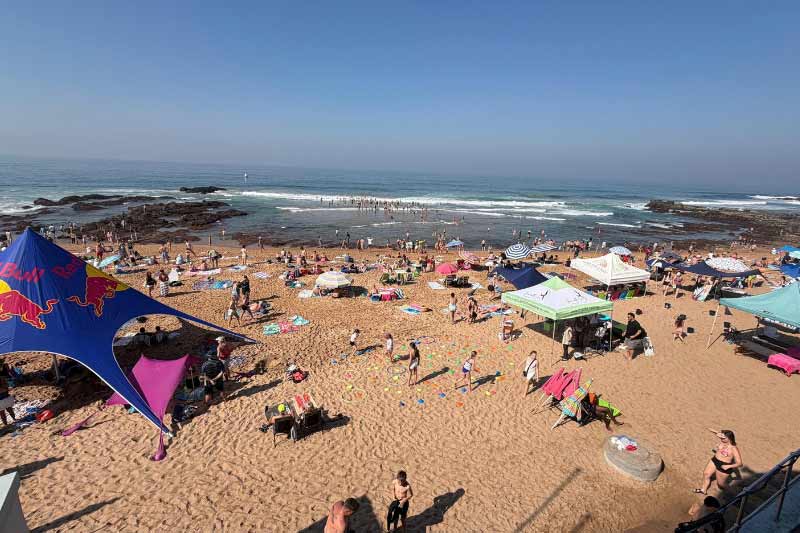
Throughout the year, members and volunteer structures helped animate WESSA’s presence on the ground. Regional and branch activities included beach clean-ups, alien clearing and food garden preparation in the Eastern Cape, biodiversity walks and BioBlitz participation in KwaZulu-Natal, wetland frogging events in the Lowveld, conservation mornings and clean-ups in the Northern Areas, and youth and reading-club activities in the Western Cape. These contributions are deeply valuable because they build local ownership, deepen community connection, and keep environmental care rooted in everyday action.

In parallel, WESSA’s voice continued to grow nationally, with more than 363 media placements and an estimated reach of over 164 million. This growing visibility supports not only the work of the organisation, but also the efforts of our members and supporters by giving wider recognition to the environmental issues, campaigns and local actions that matter most.

This visibility is not just about awareness – it strengthens our ability to influence, advocate, build trust, and mobilise action. It also helps ensure that the commitment of WESSA’s members, branches, volunteers and partners is seen as part of a broader national movement for environmental stewardship.


Our impact at a glance

This past year, WESSA’s work spanned biodiversity protection, pollution reduction and climate action, delivering impact across all three pillars through the combined efforts of staff, members, schools, youth, volunteers and communities.

  • 640 schools supported, reaching 28 692 learners directly and more than 70 000 indirectly
  • 20 000 youth engaged through the Green Rising Project
  • 190 583 kg of waste collected through community and school initiatives
  • 100 hectares rehabilitated through Green Rising, with 2 570 trees planted by Eco-Schools

This is impact at scale, but more importantly, it is impact that is increasingly rooted in communities. Behind these figures are members leading outings, volunteers giving their time, branches organising local activities, educators inspiring learners, and supporters helping turn values into action.


Environmental education remains at the heart of WESSA’s work, and membership plays an important role in sustaining this culture of learning and action.

Through Eco-Schools, Green Rising and youth-led initiatives, we are not only building awareness, but also enabling practical environmental leadership. At the same time, many members and supporters continue to reinforce this work through mentorship, local events, branch engagement and community-based environmental action.

  • 83 workshops facilitated and 1 267 environmental lessons delivered
  • 110 food gardens and 27 biodiversity gardens established
  • 95 000 litres of water saved through stewardship projects

These are not just programmes; they are pathways for young people to lead change in their schools, homes and communities. They are also part of a wider intergenerational effort in which WESSA members and supporters help create the space, encouragement and example needed for environmental leadership to grow.


Scaling national environmental action and driving sustainability in tourism

From coastlines to communities, WESSA has expanded its national footprint in coastal conservation and sustainable tourism. Members and volunteers have helped strengthen this footprint too, through local clean-ups, citizen stewardship, nature excursions, monitoring, awareness events and regional participation that keep conservation active and visible beyond formal programmes.

  •  97 coastal sites supported across South Africa
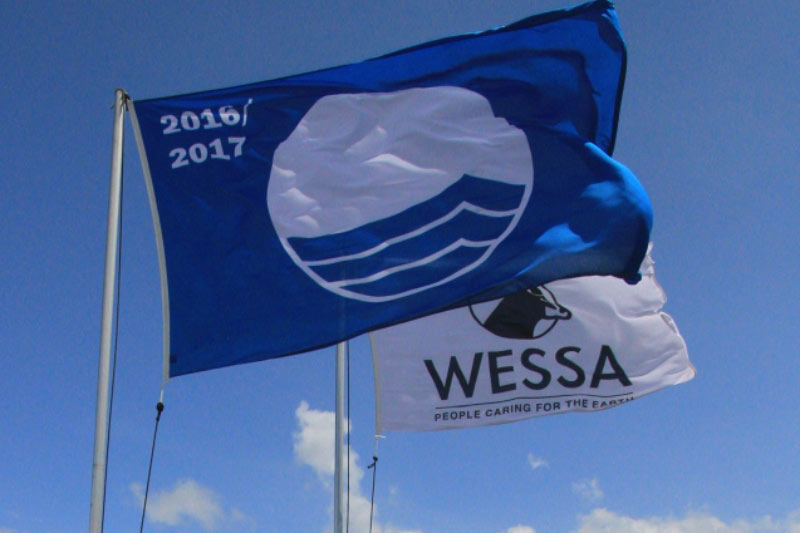
  • 50 Blue Flag beaches, 5 marinas, 7 tourism boats and 20 pilot sites maintained
  • National rollout of the Stop the Strangle campaign, tackling the scourge of ghost fishing gear and marine pollution.

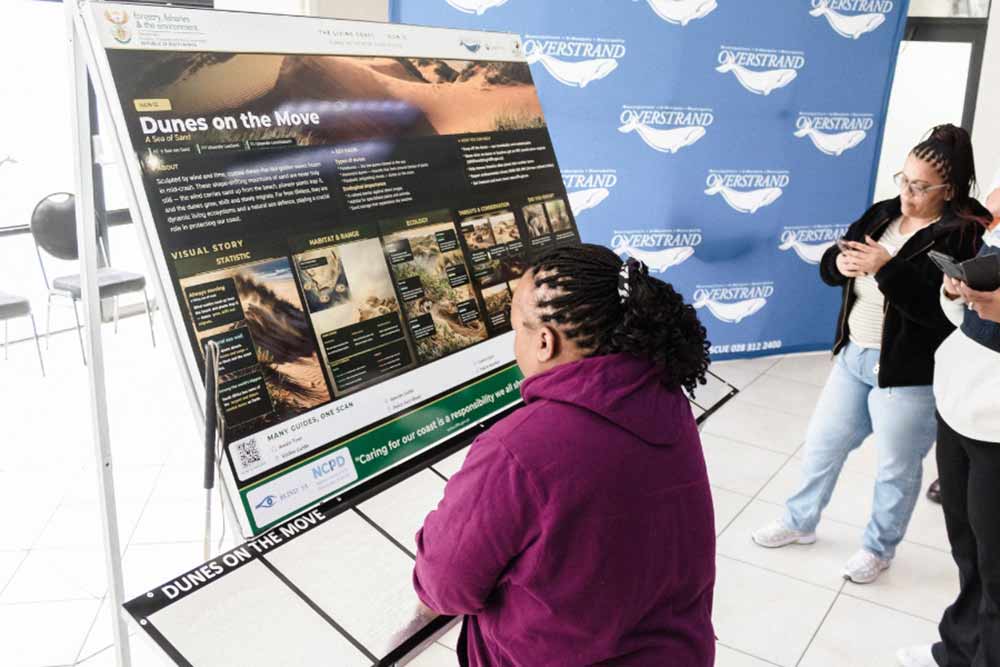
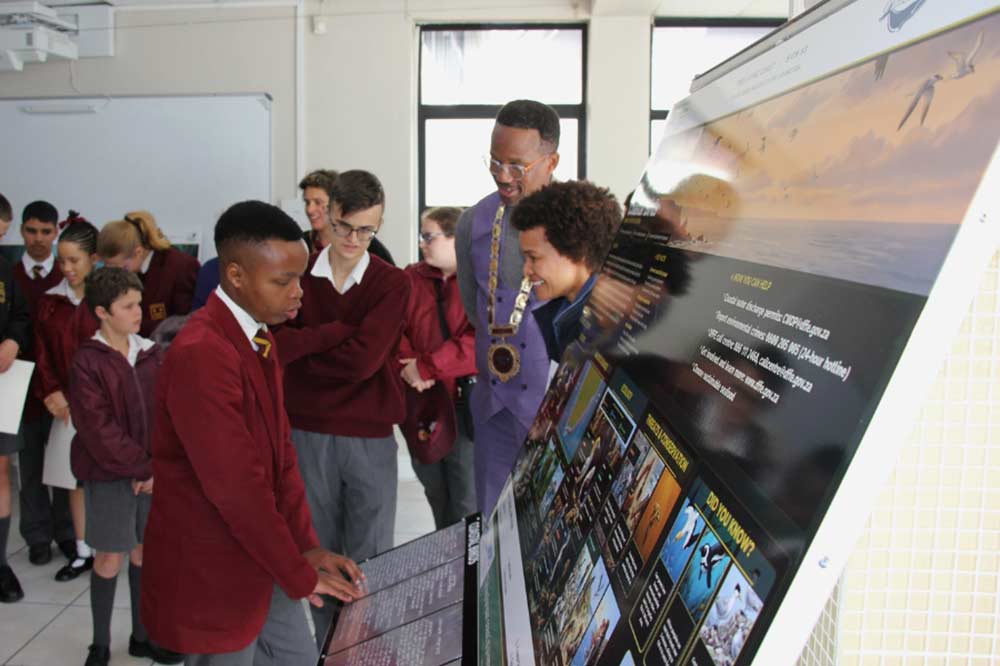
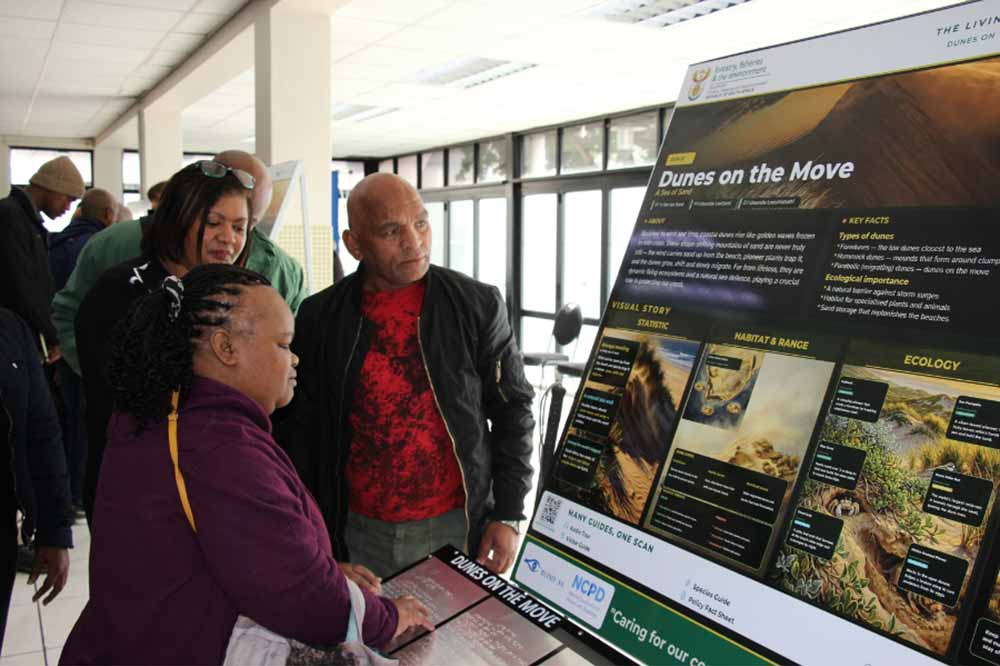
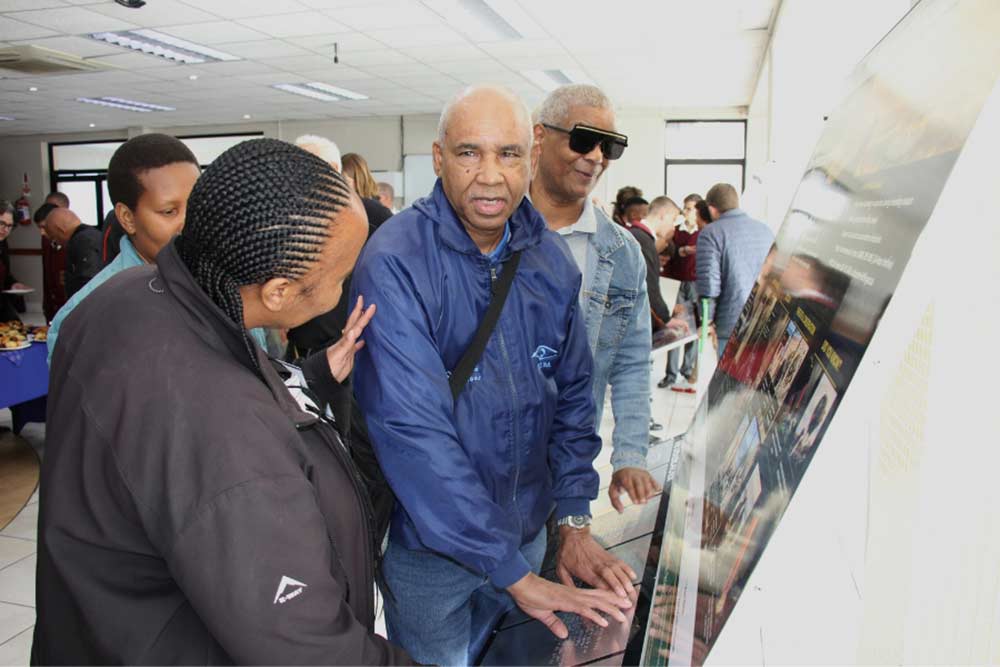
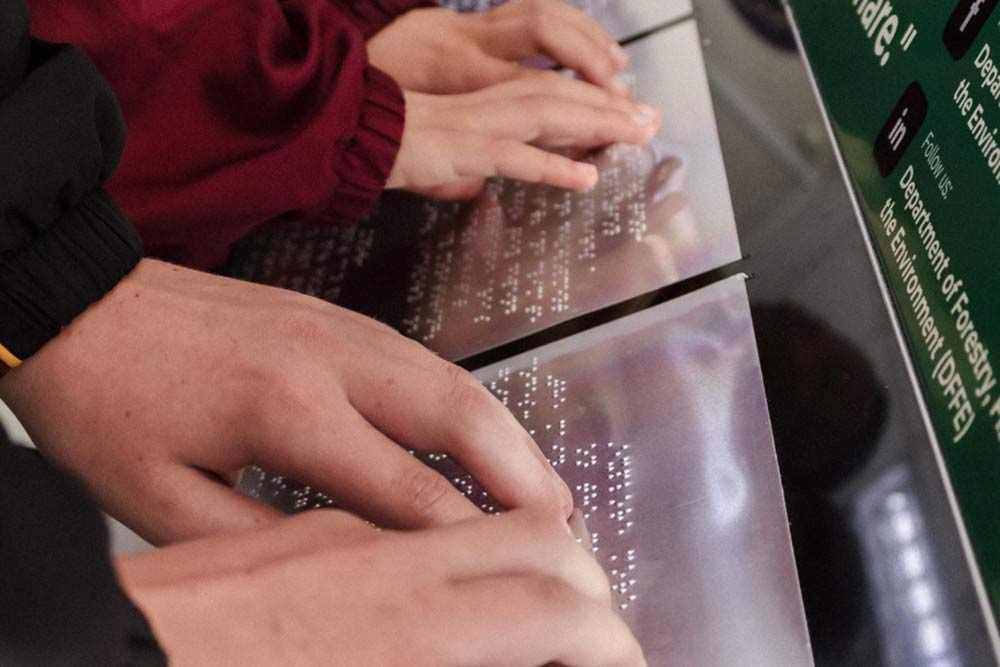
This year also marked a major milestone in inclusive environmental access, with WESSA launching South Africa’s first Braille coastal signage at Blaauwberg Nature Reserve in Cape Town, helping to make nature more accessible to more people. This reflects the kind of future WESSA is working towards: one that is inclusive, participatory and grounded in shared custodianship.

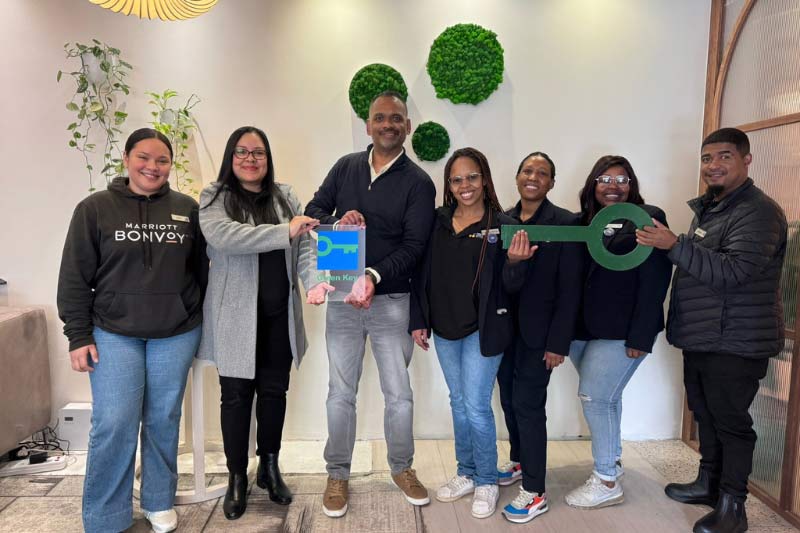
WESSA’s Green Key programme continues to reshape sustainability practices in the hospitality sector:

  • 13 certified establishments across 2,310 rooms
  • First wine estate accommodation globally certified
  • First conference centre in Africa and the Southern Hemisphere certified
  • Reduced energy use, water consumption, waste and single-use plastics through better sustainability practice

This is sustainability embedded into everyday guest experiences and operational systems, setting new standards for responsible tourism while contributing to longer-term behavioural change, sector leadership and environmental accountability.


Growing partnerships and funding for impact

This year also saw important progress in building WESSA’s long-term sustainability. This matters not only for the organisation, but for every member and supporter who wants to see WESSA remain strong, relevant and impactful into its second century.

  • Over R2 million secured for WESSA’s Legacy Fund, alongside strengthened donor engagement and diversified funding streams
  • A strong pipeline of future funding opportunities and strategic partnerships

In our centenary year, these partnerships will be critical in helping WESSA scale impact, deepen resilience and sustain its role as a trusted environmental organisation. They will also help create a stronger platform from which members, volunteers and supporters can continue contributing to change in their own communities.

As we move deeper into our centenary year, we are focused on:

  • Expanding national campaigns and partnerships
  • Launching legacy initiatives and centenary events
  • Strengthening our role as a leading environmental voice in South Africa

None of this work happens in isolation. WESSA’s impact is shaped not only by programmes and projects, but by the energy, commitment and care of the people who stand behind them.

Thank you for being part of this journey. Your membership, volunteerism, advocacy, participation and support are part of what makes WESSA’s impact possible. Together, we are not only responding to environmental challenges – we are growing a stronger movement for environmental stewardship, community action and long-term change.

Because #WeAreAllWESSA.

Kind regards,
Janssen Davies: WESSA Board Chairperson
Cindy-Lee Cloete: WESSA Chief Executive Officer

On behalf of the WESSA Board and Executive Team

People Caring For The Earth

31 Eastern Cape Eco-Schools recognised at WESSA 2025 Eco-School Awards

31 Eastern Cape Eco-Schools recognised at WESSA 2025 Eco-School Awards

Pictured above: Eastern Cape award recipients, educators, learners, WESSA team and guests

Eastern Cape, South Africa – 2 April 2026: Schools across the Eastern Cape have once again demonstrated the power of education to drive meaningful environmental change, as learners and educators were recognised at the WESSA Eco-Schools Awards 2025.

The awards celebrate schools participating in WESSA’s Eco-Schools and Young Reporters for the Environment (YRE) programmes, recognising their commitment to sustainability, environmental learning, and community impact.

This year, 31 schools from across the province were acknowledged for their efforts, spanning participation levels through to prestigious long-term achievement awards.

Pumla Gxuluwe, Deputy Chief Education Specialist at the Department of Education in the Eastern Cape, delivered an address and shared that, “Being part of the WESSA Eastern Cape Awards has reawakened something in me. It took me back to my early days as a young biology teacher where we planted trees and taught learners about the simple miracle of gas exchange – that plants give us oxygen, and we give them carbon dioxide. Back then our trees were stolen and our yards were unfenced, but today I see a new generation of schools and partners who are determined to protect and grow these living classrooms.”

A strong cohort of schools participated in the Young Reporters for the Environment (YRE) programme, including Douglas Mbopa High School, Ogwini Comprehensive Technical High School, and Walmer Secondary School, highlighting the role of youth voice in environmental storytelling and advocacy.

At foundational levels, schools such as Emafini Primary School, Cape Recife High School, and Qumbu Village Primary School achieved Bronze Awards, marking their growing commitment to embedding sustainability into school life.

Top-performing schools were recognised at the highest levels of the programme, with:

  • Mboniselo Public Primary School achieving International Flag status
  • Motherwell High School and Mdengentonga Public Primary School earning Platinum Awards

These achievements reflect sustained action, leadership, and measurable environmental impact within school communities.


Celebrating long-term commitment to sustainability


Several schools were honoured for their long-standing participation and consistent excellence in the programme.

Notably:

  • Lilyfontein School received the prestigious Emerald Award
  • Schools such as Kabega Primary School and Khulile Primary School achieved Silver Decade Awards
  • St Francis College reached the milestone of a Platinum 4 Decade Award, marking exceptional long-term commitment

These recognitions highlight the sustained culture of environmental responsibility being built within schools over many years.


Special awards recognise innovation and leadership


In addition to the core awards, several schools were recognised for going beyond programme expectations:

  • Woodridge College & Preparatory School received the Ocean Guardian Award (Marine & Coasts) for outstanding marine conservation efforts
  • Lilyfontein School was awarded the Clean Commute Award (Transport) for innovative approaches to sustainable transport and environmental awareness
  • Qumbu Village Primary School earned the Green Start Award 2025, recognising exceptional progress in its first year, including establishing an eco-club and a food garden supporting the school nutrition programme


Building a generation that leads change


Through Eco-Schools, WESSA continues to support schools across South Africa in embedding sustainability into everyday learning, while building environmental leadership among learners and educators.

“This programme shows our learners that environmental education is not just a subject in a textbook, it is a way of life that demands commitment, creativity, and community. I leave this event inspired, grateful, and more convinced than ever that when we invest in young people and the environment together, we are planting the strongest roots for the Eastern Cape’s future,” adds Gxuluwe.

As WESSA celebrates its 100th year, the work of these schools reflects a growing national movement – one where education is not only shaping awareness but driving measurable environmental action.


Full list of awarded schools and categories (Top achievements first)


Emerald Award: Lilyfontein School

Decade Awards (Long-term commitment)

  • Platinum 4 Decade: St Francis College
  • Platinum 2 Decade: Dumani Public Primary School
  • Platinum 1 Decade: Seyisi Primary School
  • Silver Decade
    • Kabega Primary School
    • Khulile Primary School
  • Bronze Decade
    • Woodridge Preparatory & College
    • Vukanibantu Primary School


Platinum Awards

  • Platinum 4: Collegiate Junior School for Girls
  • Platinum 3
    • St Colmcille Secondary School
    • Empumalanga Primary School
    • Elufefeni Primary School
  • Platinum 2: Canzibe Primary School
  • Platinum 1
    • Motherwell High School
    • Mdengentonga Public Primary School

International Flag: Mboniselo Public Primary School

Green Flag: Enkwenkwezini Primary School

Bronze Awards:

  • Emafini Primary School
  • Cape Recife High School
  • Qumbu Village Primary School


Participation – Eco-Schools

  • Carinus Primary School
  • Woolhope Secondary School


Participation – Young Reporters for the Environment (YRE)

  • Douglas Mbopa High School
  • Ogwini Comprehensive Technical High School
  • Coselelani Secondary School
  • Cowan High School
  • James Jolobe Secondary School
  • Khumbulanei High School
  • Lungiso Secondary School
  • Masiphathisane Senior Secondary School
  • Walmer Secondary School
WESSA Annual Awards 2025 honour South Africa’s environmental champions

WESSA Annual Awards 2025 honour South Africa’s environmental champions


WESSA (The Wildlife and Environment Society of South Africa) is proud to announce the recipients of the 2025 WESSA Annual Awards, celebrating individuals, organisations, educators, youth and community groups whose work is advancing environmental conservation and education across South Africa.

“These prestigious annual awards recognise exceptional and sustained contributions that go beyond expectation. WESSA aims to recognise those who are not only protecting the environment but actively shaping a more sustainable and inclusive future,” says WESSA’s Chief Executive Officer, Cindy-Lee Cloete.

The awards also serve as a platform to elevate environmental action, inspire broader public awareness, and reinforce the critical role of collective responsibility in caring for the Earth.


A lifetime dedicated to ocean conservation and environmental education


Leading this year’s honours, the WESSA Lifetime Achievement Award 2025 has been awarded to Dr Judy Mann-Lang of the Two Oceans Aquarium Foundation.


Dr Mann-Lang is recognised for her outstanding lifetime contribution to marine research, conservation and environmental education at both national and international levels. Her decades of work – spanning the South African Association for Marine Biological Research and the Two Oceans Aquarium Foundation – have played a pivotal role in advancing marine conservation awareness and education.

She has also co-founded influential platforms such as the South African Marine and Coastal Educators Network and Marine Protected Areas Day, helping to shape both public understanding and policy engagement around ocean conservation. Her leadership across multiple scientific and conservation bodies has contributed to transforming the relationship between people and the sea, inspiring long-term behavioural change in favour of protecting marine ecosystems.


WESSA also commends Mr Katot Meyer for his decades-long dedication to clearing invasive alien plants and restoring water flows within the Pietersrivier Nature Reserve, a powerful example of sustained, hands-on environmental stewardship.


Honouring individuals driving national environmental impact


WESSA’s premier individual award for 2025 has been awarded to Dr Crispin Hemson, founder of the Friends of Pigeon Valley Nature Reserve and a long-standing WESSA member.


Dr Hemson is recognised for decades of leadership in environmental stewardship, particularly in mobilising community participation in the rehabilitation and conservation of the Pigeon Valley Nature Reserve. His influence extends into policy, having played a key role in initiating biodiversity conservation commitments within the Durban City Council, contributing to the development of the Durban Metropolitan Open Space System Plan. He is also recognised for his leadership in creating the nexus of environmentalism and non-violent conflict resolution.

WESSA also commends:

  • Mr Tshepang Motaung, co-founder of Clean Environment NPO, for advancing waste reduction initiatives in Thembisa.


  • Ms Michèle Merrifield, for her dedication to wildlife rehabilitation through the DAKTARI Bush School & Wildlife Orphanage.


Youth leadership inspiring a new generation of eco-guardians


The 2025 Youth Award has been awarded to Ethan Fourie, a 9-year-old learner from Kabega Primary School in Gqeberha, widely known as “The Recycling Kid”.


Ethan has demonstrated extraordinary ability to mobilise both corporates and communities around recycling initiatives, inspiring behavioural change and environmental awareness across the Eastern Cape. His work exemplifies the growing power of youth leadership in driving national environmental action.

WESSA further recognises:

  • Mr Lumko Mboyi, for community conservation efforts along the Wild Coast


  • Ms Selomina Phekelela for impactful environmental journalism that translates complex issues into public understanding.


Championing environmental education through teaching excellence


The WESSA Teacher of the Year Award 2025 has been awarded to Mr Simangaliso Dhlamini of Shea O’Conner Combined School.


An Eco-Schools leader, Mr Dhlamini is recognised for transforming environmental education into practical, learner-led initiatives that integrate sustainability, entrepreneurship, and food security. His approach demonstrates how education can move beyond theory to real-world application, equipping learners with critical thinking skills and environmental action competence.

WESSA commends Ms Sascha van der Merwe of Waterberg Academy for her outstanding contributions to environmental education and community initiatives.


Corporate leadership advancing sustainable practices


The WESSA Corporate Award 2025 has been awarded to Tenthouse Structures, recognised for embedding sustainability and social responsibility into its operations.

The company’s holistic approach includes reducing carbon emissions, recycling production waste for community benefit, and fostering environmental stewardship through its Made Better Together Foundation and employee volunteer initiatives.


WESSA also commends:

Fatyela Enviro Works, for environmental education and socio-ecological initiatives.


  • Love Africa Marketing, for storytelling that amplifies conservation and community impact.


Community groups restoring ecosystems and livelihoods


The WESSA Group Award 2025 has been awarded to Thumela Makhado Adopt a River NPO, based in the Thohoyandou villages in Venda.

Over 15 years, this grassroots organisation has led 45 projects focused on restoring rivers, wetlands and springs – tackling pollution, erosion, invasive species and unsustainable practices. Their work has restored critical water systems while strengthening community participation and demonstrating the power of combining indigenous knowledge with modern conservation methods.


WESSA also recognises the Mosselbank River Conservation Team for their community-driven environmental restoration efforts in Fisantekraal, integrating environmental care with socio-economic upliftment.


Celebrating a collective movement for environmental action


“The 2025 WESSA Annual Awards highlight the breadth and depth of environmental action taking place across South Africa – from grassroots community initiatives to national policy influence, from youth activism to corporate leadership,” adds Cloete.

Together, these awardees represent a powerful collective of people caring for the Earth, demonstrating that meaningful environmental change is driven not by one sector alone, but through collaboration, commitment, and sustained action.

As WESSA continues its mission to Educate, Advocate, Act, the Annual Awards remain a vital platform for recognising those who are leading the way and inspiring others to follow.

Join us in celebrating and supporting these changemakers by sharing their stories, championing environmental action in your own spaces, and becoming part of the growing movement of #PeopleCaringForTheEarth.
 
 
Look out for the 2026 WESSA Annual Awards call for nominations later this year as we mark our centenary year.


[ADvTECH Schools] Wishing WESSA a happy 100th

[ADvTECH Schools] Wishing WESSA a happy 100th

As WESSA marks its 100th year of educating, advocating and acting for the environment, schools across the ADvTECH network kicked off celebrations with creativity, reflection and meaningful action – demonstrating how environmental education continues to shape responsible, engaged citizens from a young age.

Learners embraced the milestone not only as a celebration, but as an opportunity to deepen their understanding of the natural world and their role in protecting it.

At Abbotts High School Pretoria East, learners reflected on the power of everyday actions through a collective initiative titled “100 Small Ways Our Students Help the Planet.”

From recycling and saving water to planting and picking up litter, learners highlighted how small, consistent behaviours contribute to a healthier planet – reinforcing a key principle of WESSA’s work over the past century: that meaningful environmental change often begins with individual action.

At The Bridge Morningside, the celebration took an interactive and exploratory approach, with learners engaging in a range of activities designed to connect them more deeply to nature.

Learners were introduced to WESSA’s role in environmental protection before taking part in hands-on activities, including creating a birthday cake and artwork from recyclable materials. They also explored their school environment, observing insects, birds, trees and plant life, and discussing the importance of each within broader ecosystems.

A standout moment was the “My Promise to Nature” activity, where learners created posters using fingerprint “leaves” to symbolise their personal commitment to caring for the environment.

Through these activities, learners not only gained knowledge but also developed a sense of ownership and responsibility for the natural world around them.

At Maragon Olympus, the WESSA 100 celebration brought together learners across all phases in a vibrant, multi-dimensional tribute.

Preschool learners explored environmental care through hands-on play with recyclable materials, learning early lessons about reuse and sustainability. In the Foundation Phase, learners combined creativity with digital skills by designing EdTech birthday cards for WESSA, and the Senior Phase learners added a personal touch by recording heartfelt birthday messages and performing a special tribute, highlighting both their awareness and emotional connection to environmental stewardship.

The celebrations were shared across the school’s social platforms, extending the impact beyond the classroom and inviting the broader community to participate in recognising WESSA’s milestone.

A centenary shaped by education, action and hope

By engaging learners through creativity, exploration and action, these schools are not only celebrating WESSA’s legacy but actively contributing to it.

As WESSA enters its next century, it is this generation of informed, inspired young people who will carry forward the work of protecting South Africa’s natural heritage – proving that when education leads, meaningful environmental action follows.

[N3TC Schools] Bringing biodiversity to life in Free State classrooms

[N3TC Schools] Bringing biodiversity to life in Free State classrooms

Pictured above: left – Thuto Ke Lesedi Educare Centre learners in their garden; top middle – Teachers shared their innovative ideas of how they will use their gardens for teaching; right top – Qalabotjha Creche learner marking a spot for their biodiversity garden; bottom middle – Learner at Zenzeleni Educare Centre during the garden walk; Learners colouring various food items they will plant in their garden

From 23 to 25 March 2026, WESSA launched its first implementation sessions with N3TC schools in Villiers, Free State – marking a strong step forward in embedding biodiversity and outdoor learning into school environments.


Equipping educators for outdoor learning


The visit began with a dynamic teachers’ workshop centred on this year’s focus: biodiversity and outdoor learning.

The workshop aimed to equip educators with practical knowledge and tools to transform biodiversity gardens into living classrooms that support experiential learning. Key discussions explored the critical link between biodiversity, climate resilience, and water conservation – highlighting the role schools can play in building environmentally responsible communities.

A standout moment was the collaborative design session, where teachers developed tailored plans for their own school biodiversity gardens. Educators shared innovative ideas on how these spaces will be integrated into teaching and learning, demonstrating a strong commitment to hands-on, nature-based education.


From classroom to living ecosystem


Following the workshop, the programme continued with two days of engaging learner sessions, bringing biodiversity concepts to life in practical and relatable ways.

Learners were introduced to the importance of biodiversity and its role in supporting healthy ecosystems and resilient communities, laying the foundation for deeper environmental understanding.

A key highlight was the interactive garden walk, where learners explored their school environment and guided by their teachers, participated in designing their own biodiversity gardens. This hands-on approach deepened their understanding while fostering a sense of ownership and responsibility towards their natural surroundings.


Strengthening the link between knowledge and action


Together, these sessions strengthened the connection between knowledge and action, enabling both teachers and learners to actively contribute to sustainable, biodiversity-rich school environments.

Through initiatives like this, WESSA continues to advance its mission to Educate, Advocate, Act, enabling schools to become spaces where environmental awareness is not only taught, but lived.

Empowering learners through circular economy thinking (Nedbank X WESSA)

Empowering learners through circular economy thinking (Nedbank X WESSA)

Pictured above: Bekezela Learners compressing their Waste tins and sorting recyclables

WESSA’s partnership with Nedbank continues to bring the principles of the circular economy to life in classrooms, equipping learners with practical knowledge and real-world skills to address waste challenges while unlocking economic opportunity.


From awareness to action


The March rollout of the Nedbank Circular Economy Project focused on introducing learners to the concept of waste and its environmental impact, building on the foundation laid during the educator workshop.

Teachers piloted their lesson plans by guiding learners through the fundamentals of the circular economy, including how the 7R’s framework can be applied to reduce waste and rethink resource use.

Importantly, learners were encouraged to think beyond theory, engaging in discussions on how waste can be repurposed into income-generating opportunities through creative, small-scale business ideas.


Learning through upcycling


Hands-on learning formed a central part of the programme, with learners participating in upcycling activities that demonstrated how everyday waste materials can be reused in practical ways.


Pictured above: Lehutso Primary School learners engaging in the session on the reuse of waste

From repurposing paper packaging to cover books, to transforming plastic bottles into functional containers, learners explored how simple interventions can extend the life cycle of materials while reducing environmental impact.

These sessions were further strengthened through a presentation by Indalo Yami Recyclers, who shared insights into how recycling contributes to both environmental protection and income generation. Learners were also introduced to key health and safety considerations, including the risks associated with handling contaminated or hazardous waste.


Pictured above: Bekezela Primary School learners reusing 2lt bottles to make containers


Building a culture of recycling


The second phase of the project deepened learners’ understanding of recycling systems and the finite nature of natural resources.

Learners explored how waste materials are categorised into reclaimable and non-reclaimable streams, and why sorting waste at source is critical to improving recycling efficiency and reducing contamination.


Pictured above: Nelson Mandela P.S learners learning about recycling and sorting waste

Across participating schools, learners are now actively collecting and sorting recyclable materials including beverage cans, paper, cardboard, and plastic – turning environmental responsibility into measurable action.


Turning waste into opportunity


A key outcome of the project has been the ability of schools to begin generating income through their recycling initiatives, demonstrating the tangible value of circular economy principles in action.

Looking ahead, the next phase will integrate Economic and Management Sciences (EMS) into the programme, enabling learners to manage and grow the income generated through their recycling and upcycling activities.

This progression ensures that learners not only understand sustainability concepts but also develop the financial literacy and entrepreneurial skills needed to sustain and scale their initiatives.


Educating for a circular future


Through this project, WESSA and Nedbank are demonstrating how environmental education can move beyond awareness to meaningful, learner-led action.

By linking sustainability with economic opportunity, the initiative is helping to shape a generation of young people who are not only environmentally conscious, but also enabled to innovate, lead, and contribute to a more circular and resilient future.