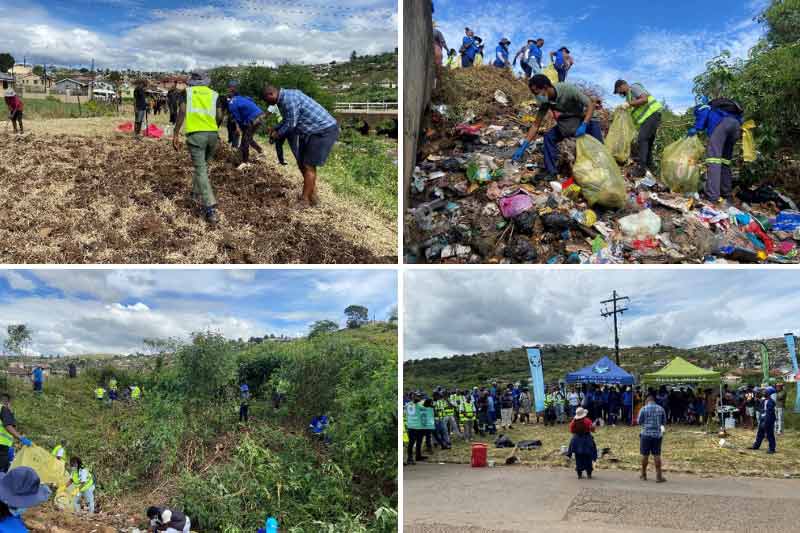
Pictured above: More than 140 committed participants in eMbali, Pietermaritzburg focused on alien invasive plant clearing, the establishment of a sustainable vegetable garden, and a community-wide cleanup
Across KwaZulu-Natal in South Africa, April was a powerful reminder that environmental change is not only measured in cleared waste, planted seedlings or restored spaces. It is also measured in the people who show up, take ownership, and work together to build healthier, more resilient communities.
Through WESSA’s work with partners, schools, local residents and young changemakers, communities in Pietermaritzburg and Durban demonstrated what it means to care for the Earth through practical, hands-on action.
Restoring ecosystems and strengthening community pride in eMbali
On 13 April 2026, the community of eMbali in Pietermaritzburg came together for a high-impact environmental action under UNICEF’s Green Rising project, led by WESSA in collaboration with DUCT, Clean My Country, uMngeni-uThukela Water and local residents.
With the support of more than 140 committed participants, the day focused on alien invasive plant clearing, the establishment of a sustainable vegetable garden, and a community-wide cleanup.
The result was more than a cleaner space. The initiative helped restore local ecosystems, strengthen food security, and encourage environmental stewardship. It also highlighted the power of coordinated community action, where local partnerships become the foundation for long-term care of shared spaces.
Growing opportunity through urban agriculture
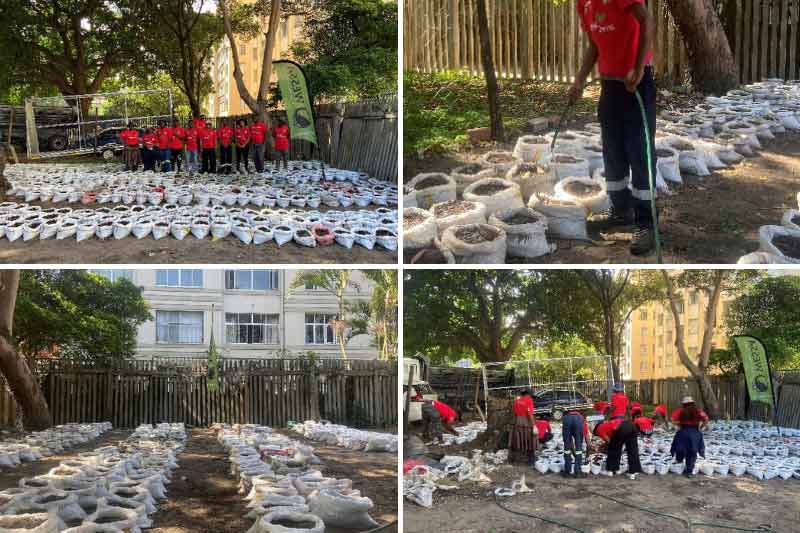
Pictured above: WESSA Membership and Tri-Eco teams planting vegetable seedlings into repurposed, nutrient rich soil filled sacks)
In the lead-up to Earth Day 2026, WESSA joined forces with WESSA Membership and Tri-Eco on 20 April to support a dedicated local changemaker in Durban’s Albert Park community.
Together, they helped establish a city vegetable garden using a simple but innovative approach: vegetable seedlings planted into repurposed sacks filled with nutrient-rich soil.
Row by row, the sack gardens began to transform the space into a hub of sustainability, creativity and opportunity. Once harvested, the vegetables will be sold within the community, supporting a small local economy while improving access to fresh, locally grown produce.
This is environmental action with a social purpose – turning available space and reused materials into a practical model for food security and community empowerment.
From illegal dumping site to biodiversity garden
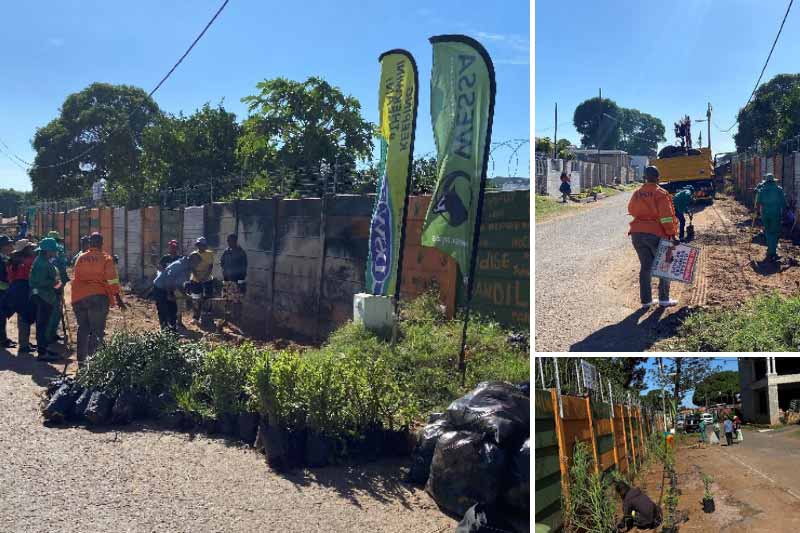
Pictured above: A coordinated cleanup, waste removal and creation of a biodiversity garden – Lamontville, Durban)
On 29 April 2026, WESSA partnered with eThekwini Municipality’s Cleansing and Solid Waste Unit and Lamontville community volunteers to rehabilitate an illegal dumping site near an old age home.
The site had become a serious health and environmental concern, with odours and rodent infestations affecting the well-being of elderly residents. Through a coordinated cleanup effort, the waste was removed and the space was transformed into a biodiversity garden.
The intervention restored dignity to the area and created a natural deterrent against future dumping. Most importantly, it showed how environmental care can directly improve people’s daily living conditions, especially for vulnerable members of the community.
People caring for the Earth, one action at a time
From clearing alien invasive plants and creating food gardens, and to restoring dumping sites, these April activities reflect WESSA’s mission in action – Educate.Advocate.Act.
Each initiative shows that when communities, partners and young people work together, environmental action becomes more than a once-off event. It becomes a shared commitment to cleaner spaces, stronger communities and a healthier future.