eWASA Partnership: Nelson Mandela Bay Schools launch recycling programmes

eWASA Partnership: Nelson Mandela Bay Schools launch recycling programmes

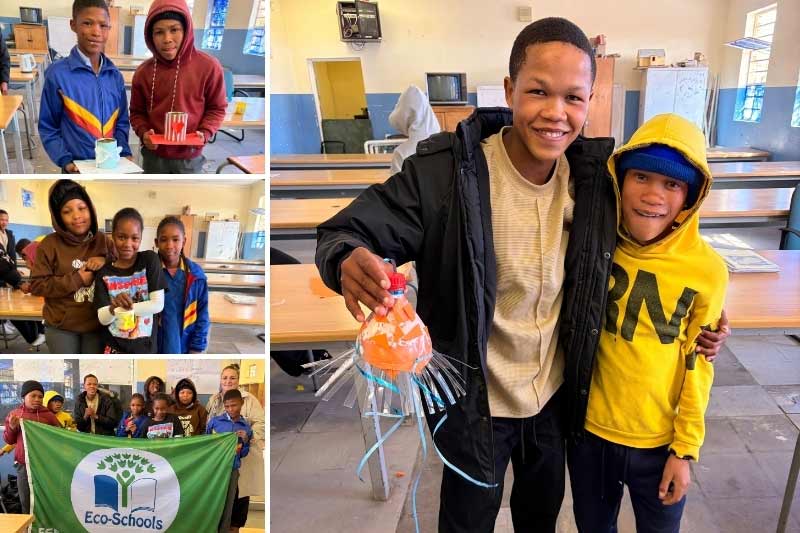
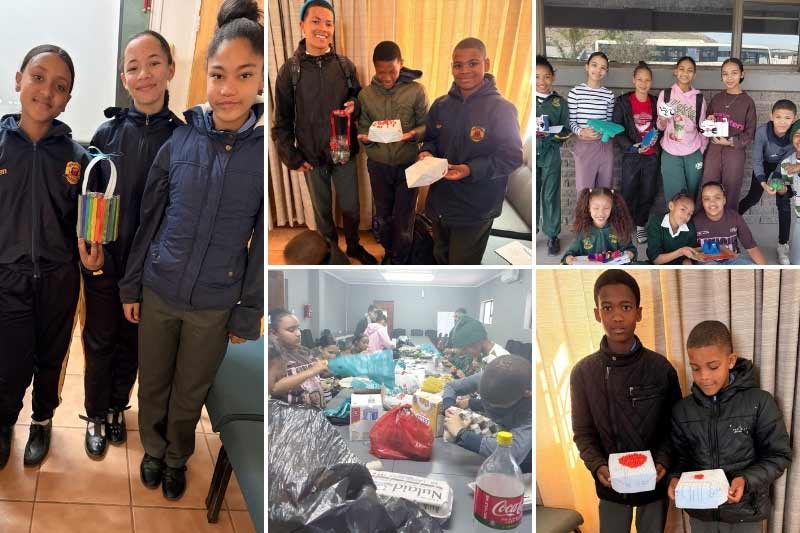
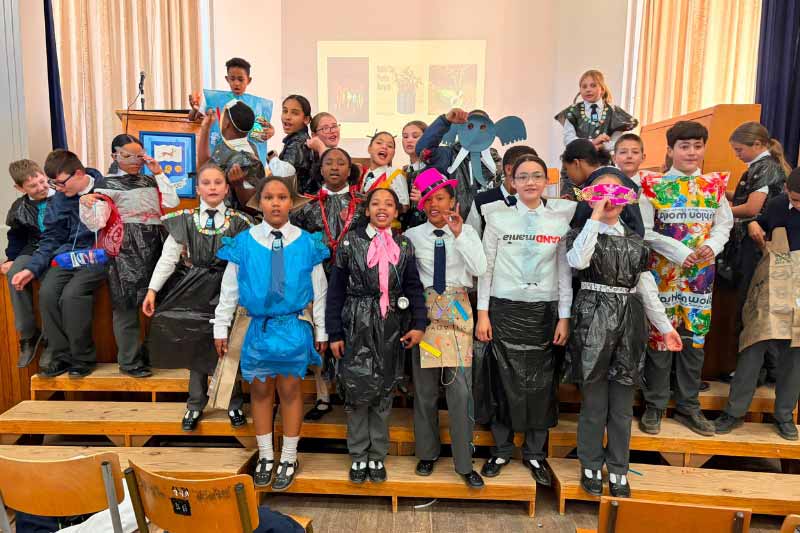
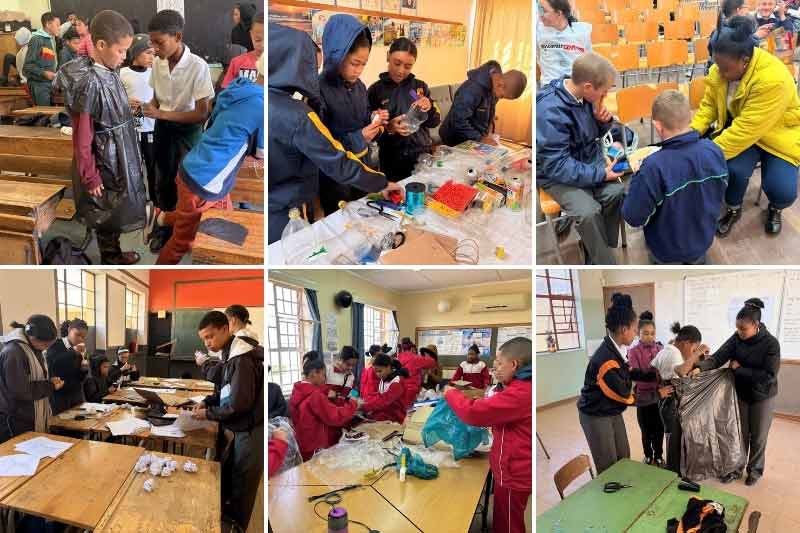
Pictured above: Top left – Launching the recycling programme at GJ Louw Primary School; (top right) Kuyga Primary School learners presenting Trashion creations; (bottom right) Hillside Technical School receiving their recycling bins and bulk bags; (bottom left) Abraham Levy Primary School Eco-committee with their recycling bins & bulk bags

What happens when learners are encouraged to see waste differently?

Across 10 schools in Nelson Mandela Bay, learners and teachers are beginning to explore the answer: waste can be separated, recycled and even transformed into something new.

From 18–21 May 2026, WESSA and eWASA launched school recycling programmes at these Eastern Cape schools:

  1. Kuyga Primary School
  2. David Livingstone High School
  3. Westview Special School
  4. Hillside Technical School
  5. GJ Louw Primary School
  6. Abraham Levy Primary School
  7. Chapman High School
  8. Happydale Special School
  9. St Thomas Senior Secondary School
  10. Paterson High School

Learning how recycling begins


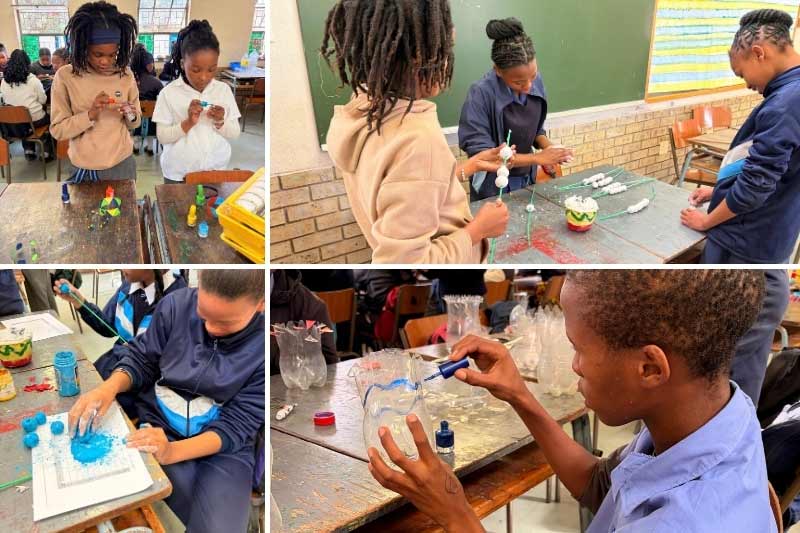
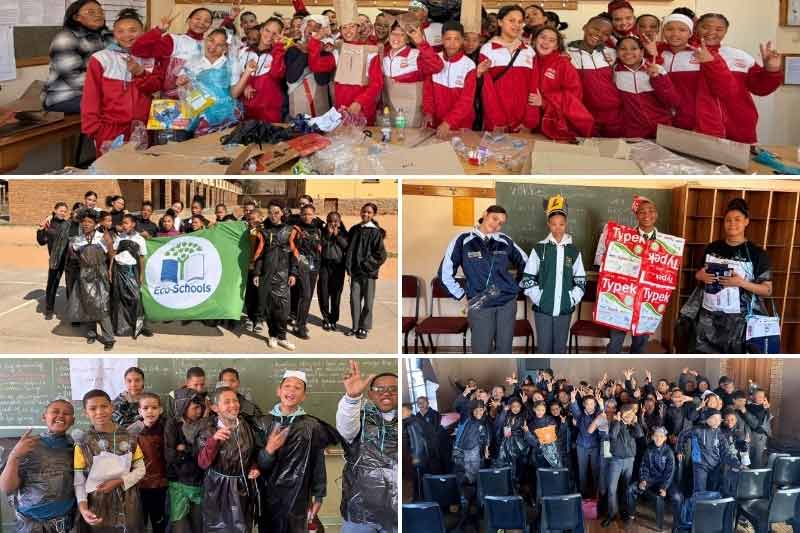
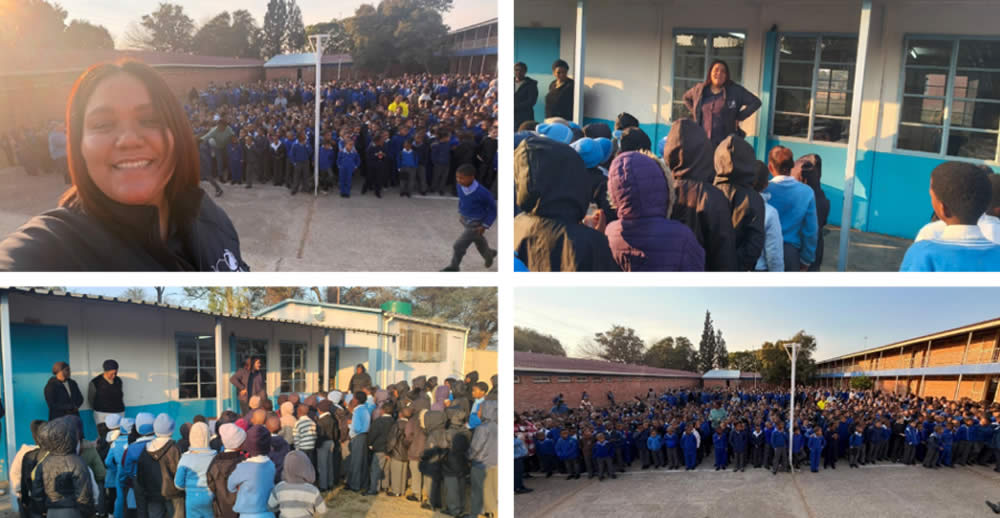
Pictured above: (top left & right) St Thomas Senior Secondary School with their recycling bins & engaging in a recycling presentation during assembly; (bottom left & right) David Livingstone learners with The Waste Trade Company team & launching their schools recycling programme

The sessions introduced learners and teachers to the recycling process through practical separation-at-source activities. Participants learnt how to correctly separate and sort waste, building the knowledge needed to support more responsible waste management practices at their schools.

Each school received four recycling bins and three bulk bags to help establish its recycling programme.

The Waste Trade Company joined the sessions to explain which materials can and cannot be recycled and how the collection process will work at each school.

Reimagining the value of waste

The Eastern Cape launch also encouraged learners to think creatively about materials that might otherwise be discarded.

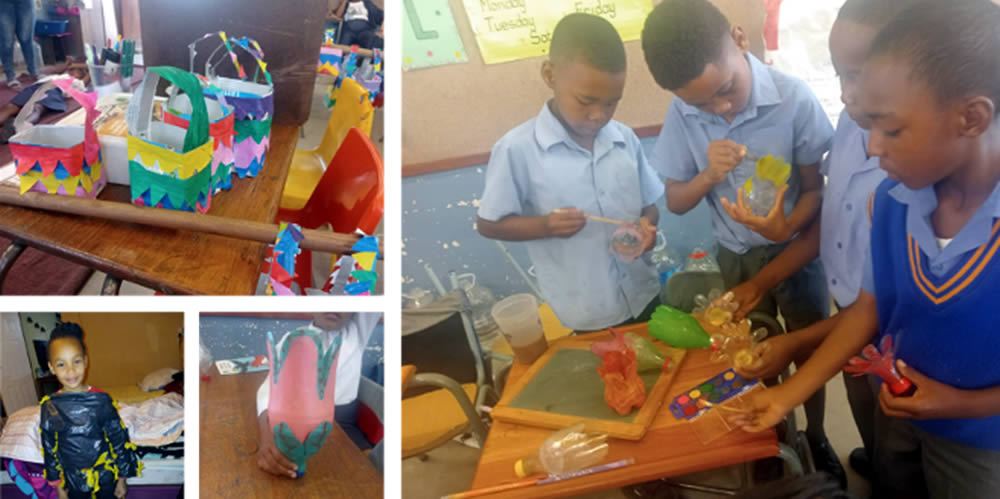
During the sessions, The Waste Trade Company showcased upcycled items, including clothing, fashion accessories and toys made from waste materials. These examples helped learners see that waste is not only an environmental challenge; it can also be an opportunity for creativity and innovation.

This message was reinforced through the launch of the Trashion Design Challenge, which invites learners to create fashion pieces using recycled waste.

Growing practical environmental action

The school recycling programmes are designed to improve awareness of responsible waste management while giving schools the infrastructure needed to put this knowledge into practice.

By combining education, recycling systems and creative upcycling, the project is helping learners understand that their everyday choices matter. A plastic item, container or piece of discarded material does not always need to become waste. With the right knowledge and systems in place, it can become part of a more sustainable future.

ENGIE Partnership: Growing Biodiversity at Sedi-Laka Primary School

ENGIE Partnership: Growing Biodiversity at Sedi-Laka Primary School

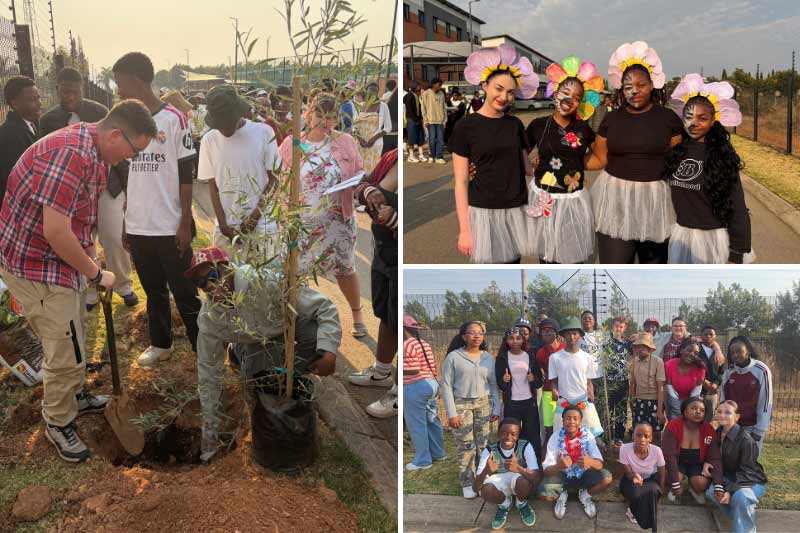
Pictured above: WESSA X ENGIE – International Day for Biodiversity at Sedi-Laka Primary School

On 22 May 2026, WESSA joined ENGIE, educators and 120 learners at Sedi-Laka Primary School in Thembisa, Gauteng, to mark International Day for Biodiversity through practical environmental action.

Aligned with the 2026 theme, “Acting Locally for Global Impact”, the day gave learners an opportunity to explore the importance of South Africa’s indigenous biodiversity while actively contributing to a greener, more educational school environment.

Learning through action

The school grounds became a hands-on learning space as learners participated in indigenous greening and food-growing activities.

Together, the learners, teachers, ENGIE representatives and WESSA staff planted:

  • 15 indigenous trees
  • Five fruit trees
  • 20 trays of vegetable seedlings
  • 30 indigenous succulents in a tyre garden


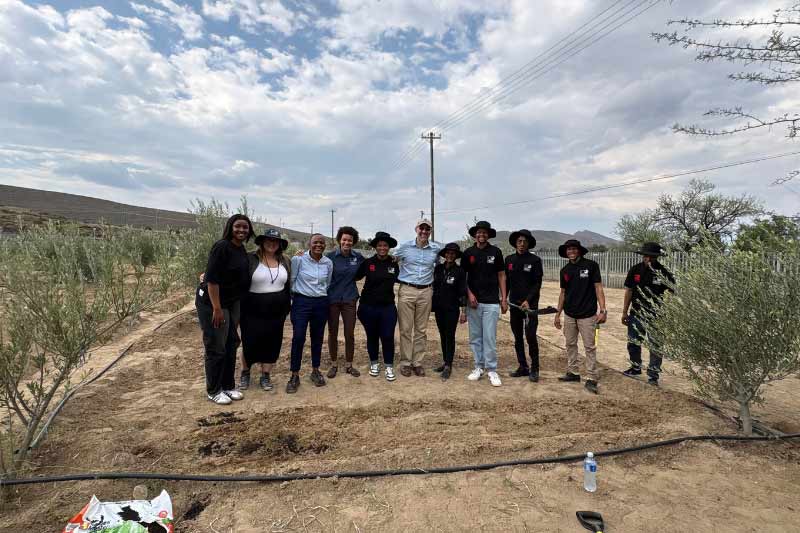
Pictured above: ENGIE staff & Sedi-Laka Primary learners creating a new succulent garden, including painting tyres to host the new plants

Each activity offered an opportunity for learners to build practical skills. They learnt about the value of indigenous biodiversity, the benefits of succulents, how to plant and care for trees, and how to grow their own food by planting seedlings.

Planting the seeds of environmental responsibility

Beyond the plants added to the school grounds, the day was about nurturing a deeper understanding of the natural world.

By identifying indigenous trees and succulents and learning how to care for them, learners strengthened their knowledge of South Africa’s biodiversity. Working together also encouraged teamwork, responsibility and positive behaviour change around biodiversity conservation.

The new trees, seedlings and succulents will help support the development of a greener school environment where learners can continue to observe, care for and learn from nature.


Pictured above: Learners engaged in gardening & tree planting

Local action with lasting value

International Day for Biodiversity is a reminder that environmental stewardship does not only take place in distant natural spaces. It can begin in a school garden, through a newly planted tree or in the hands of a learner discovering how to grow food.

Through partnerships such as this one with ENGIE, WESSA continues to support practical environmental learning that empowers young people to take meaningful action in their own communities.

By acting locally, schools can help grow a more biodiverse and environmentally conscious future.


Pictured above: ENGIE staff & Sedi-Laka Primary School learners celebrating a successful day of planting initiatives

ADvTECH Schools celebrate World Bee Day through learning and creativity

ADvTECH Schools celebrate World Bee Day through learning and creativity

Pictured above: Southdowns College Pre-Prep learners engage in World Bee Day Talk and dress-up in black & yellow

From dressing up in black and yellow to exploring pollination through interactive activities, learners across three ADvTECH schools marked World Bee Day with curiosity, creativity and a growing appreciation for the small but essential role bees play in sustaining healthy ecosystems.

Through age-appropriate activities at Southdowns College Pre-Prep, Crawford International Bedfordview and Crawford International Lonehill, learners explored how bees support biodiversity, food production and plant growth. The celebrations transformed environmental learning into memorable experiences, helping young learners connect classroom knowledge with the natural world around them.

Discovering the importance of pollinators at Southdowns College Pre-Prep

On 20 May, the playground at Southdowns College Pre-Prep became a sea of yellow and black as children dressed up to celebrate these important pollinators.

Grade 00 and Grade 0 learners took part in an engaging talk led by Coach Petro, who shared interesting facts about bees, beekeeping and the essential role pollinators play in the environment. Learners had an opportunity to see beekeeping equipment up close and even taste a sample of honey.

Through the discussions and activities, the children discovered that bees help pollinate many of the plants that provide fruits, vegetables and flowers. They also learnt that a single bee can visit hundreds of flowers in one day, highlighting the impact that these small creatures can have on the natural world.

The celebration helped foster curiosity, environmental awareness and respect for nature from an early age, while introducing learners to the importance of protecting animals and habitats that support healthy ecosystems.

Combining environmental awareness and literacy at Crawford International Bedfordview


Pictured above: Crawford International Bedfordview learners and educators got dressed up in black & yellow

At Crawford International Bedfordview, learners and staff embraced World Bee Day through a vibrant Black and Yellow Civvies Day, filling the campus with colour, energy and conversations about biodiversity.

The celebration formed part of the school’s ongoing WESSA Biodiversity in Nature initiative, encouraging learners to connect environmental responsibility with meaningful awareness and action.

Foundation Phase learners also participated in a lively Spelling Bee, where they showcased their confidence, communication skills and academic abilities while learning more about the importance of bees and pollinators.

Custom 3D-printed trophies were created for the winners, while additional prizes and treats helped bring the theme to life. The activities created an engaging environment where literacy, creativity and environmental learning could come together in a memorable way.

Learning how pollination works at Crawford International Lonehill


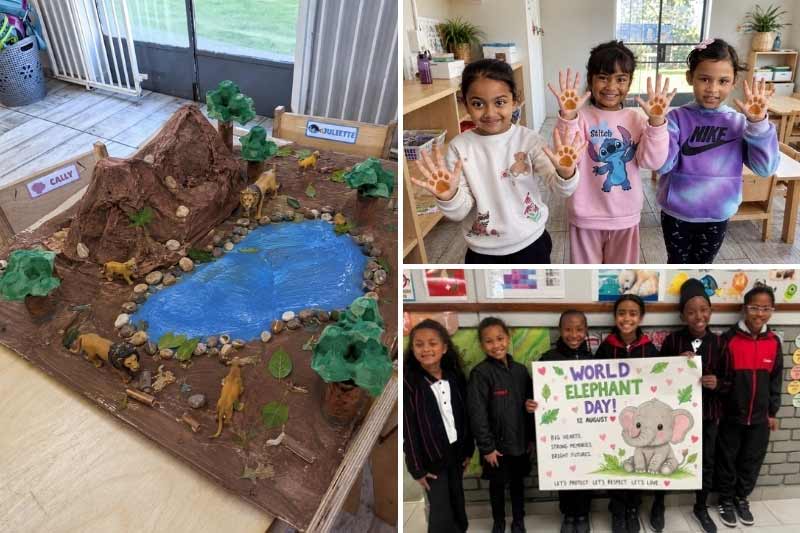
Pictured above: Crawford International Lonehill – Learners creating World Bee Day art; Grade Four classroom door art about Bees; and the Grade Five class wrote acrostic poems

At Crawford International Lonehill, learners explored pollination through a playful, hands-on activity designed to show how bees help flowers grow.

After colouring and creating their own flowers and bees, learners used their fingers as pretend bees. They collected “pollen” from a packet of cheese curls before visiting their classmates’ flowers to pollinate them.

The interactive activity helped learners understand the important connection between bees, pollination and plant growth while encouraging collaboration and creativity.

Learners also explored the idea of reusing materials through a recycled bee art activity. Using newspaper, toilet-roll holders, bubble wrap and paint, they created bees and a beehive collage, bringing together environmental learning and imaginative expression.

Growing environmental awareness from an early age

Across all three schools, World Bee Day provided an opportunity to make biodiversity education practical, engaging and accessible.

Whether learners were tasting honey, exploring beekeeping equipment, participating in a themed Spelling Bee, learning how pollination works or creating art from recycled materials, each activity encouraged a deeper connection to nature.

These celebrations showed that meaningful environmental learning can begin with small moments of discovery. By helping children understand why bees matter, schools are nurturing a generation that is more aware of the natural world and better equipped to care for it.

eWASA Partnership: Building a recycling culture at schools across Springbok and surrounding areas

eWASA Partnership: Building a recycling culture at schools across Springbok and surrounding areas

Pictured above: WESSA Project manager Daniel Jackson engaging learners at Namaqualand High School about the different plastic recycling codes during an assembly

From 5–8 May 2026, WESSA and eWASA launched school recycling programmes at 10 schools in Springbok and surrounding areas in the Northern Cape. The sessions brought together learners, teachers and school staff to build practical knowledge of recycling and establish systems that can support more responsible waste management at school level.

The participating schools included:

  1. Hoërskool Namaqualand
  2. Primêre Skool Springbok
  3. Dr Izak van Niekerk Primary School
  4. Okiep Primary School
  5. Okiep High School
  6. Concordia Primary School
  7. Sacred Heart Primary School
  8. St Cyprians Primary School
  9. Ferdinand Brecher Primary School
  10. Steinkopf High School

Turning knowledge into action

During the education sessions, learners and teachers were introduced to the recycling process and took part in separation-at-source activities. These practical demonstrations showed participants how to correctly separate and sort their waste, helping to make recycling a more accessible part of everyday school life.

Each school received three recycling bins, as well as two bulk-bag stands with bulk bags, to support the start of its recycling journey.

The launch sessions were supported by Lifestone Recycling, which guided schools on which materials can and cannot be recycled and explained how the collection process will be implemented at each school. The Department of Agriculture, Environmental Affairs, Rural Development & Land Reform also joined the sessions in support of the initiative.


Pictured above: (Top left) The eco-committee at Dr Izak van Niekerk Primary School with their new recycling bins; (top right) Recycling education assembly at Steinkopf High; (bottom left & right) Okiep Primary School – Separation at source activity & Lifestone Recycling explaining the recycling collection process

Creating sustainable systems at school level

Providing recycling infrastructure is an important step, but the project is also focused on strengthening understanding and encouraging lasting behaviour change.

Through the sessions, learners and teachers gained practical knowledge of responsible waste management and improved their ability to separate recyclable materials at source. The new bins and bulk bags provide the participating schools with the tools needed to begin building sustainable recycling initiatives of their own.

By helping schools turn waste management education into daily action, the eWASA and WESSA Schools Waste Management and Education Project is supporting a culture of environmental responsibility that can extend beyond the classroom and into the wider community.


Pictured above: : Recycling Bins donated to Primêre Skool Springbok; Recycling education with the eco-committee at Ferdinand Brecher Primary School facilitated by Daniel Jackson, WESSA Project Manager

Four ADvTECH Schools mark Earth Day with creativity, reflection and environmental action

Four ADvTECH Schools mark Earth Day with creativity, reflection and environmental action

Pictured above: Crawford International Pretoria leaners helped to complete the garden, created Earth Day drawings and engaged in the Buddy Reading activity as part of the Earth Day Outdoor Spaces Campus Drive

Four ADvTECH schools marked Earth Day 2026 through a range of hands-on environmental activities designed to encourage sustainability, reflection and environmental responsibility among learners of all ages. Across the schools, learners participated in recycling initiatives, gardening activities, environmental discussions, creative projects and energy-saving actions that reinforced the importance of caring for the planet.

Hands-on sustainability in action

At Crawford International Pretoria, the entire campus participated in a collaborative Earth Day initiative focused on environmental responsibility and sustainability. College students cultivated and distributed plant seedlings to classrooms, while learners from Grade 0000 to Grade 7 took part in activities across the campus. A standout moment included a partnership with Pretoria Primary School, where learners helped revitalise the community school garden as an outdoor learning space. The school community also participated in energy-saving efforts by switching off lights, plugs and air conditioners to reduce their environmental impact.

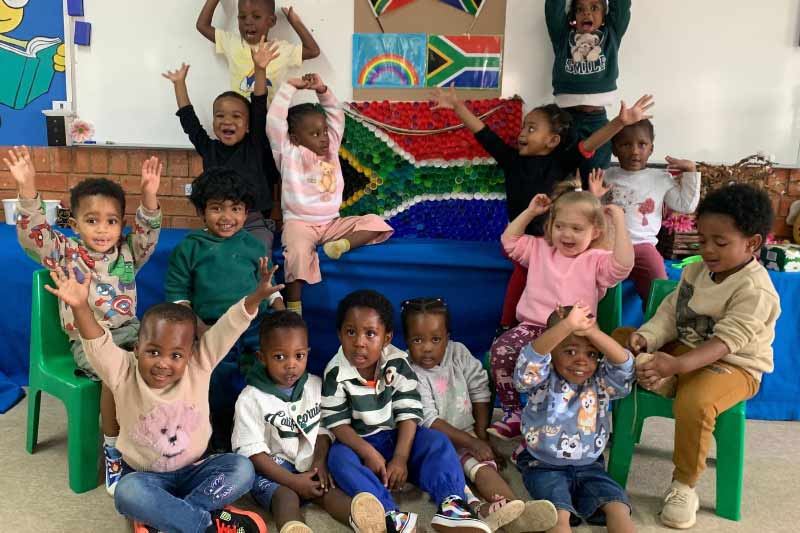
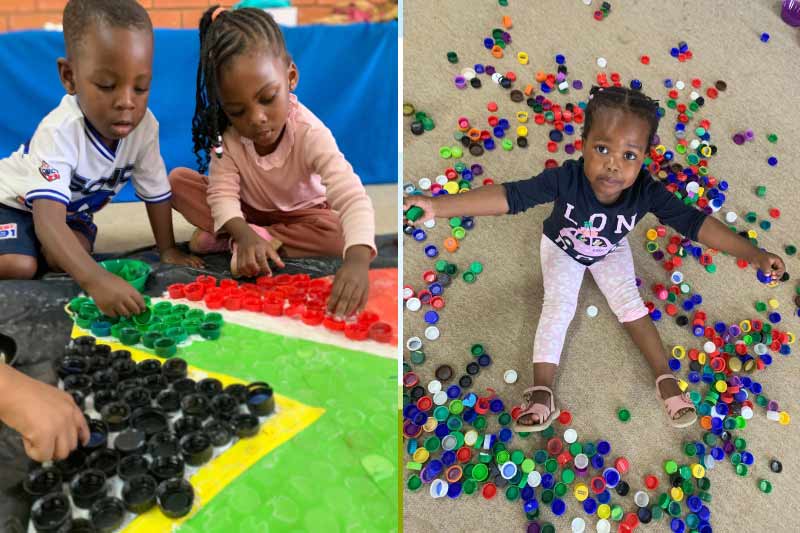
Pictured above: Crawford International Lonehill learners helped create Earth Day bottle cap eco-art

Crawford International Lonehill Pre-Primary celebrated Earth Day through a bottle top recycling initiative led by the school’s WESSA Champions. Learners collected blue, green and white bottle tops from home, contributing approximately 250–300 bottle tops towards the creation of an Earth mosaic symbolising their commitment to protecting the planet. The initiative encouraged teamwork, environmental awareness and responsible citizenship among learners.

Encouraging reflection and environmental stewardship


Pictured above: Miss Earth visited Crawford Bedfordview for Earth Day; learners made their own Earth Day pledge and creative art pieces

At Crawford International Bedfordview, Earth Day celebrations included learners dressing in Earth-themed civvies and participating in assemblies, classroom activities and environmental reflection exercises. Grade 4–7 learners attended a special assembly led by Miss Earth, Jenique Botha, and Ella Bella, who encouraged learners to think critically about environmental challenges and sustainable solutions. Reflective Earth Day speech bubbles placed on mirrors and windows across the campus prompted learners to consider their personal role in creating positive environmental change.

Pictured above: Learners at Crawford Sandton participating in an Earth Day salt painting experiment; creating Earth Day arts & crafts and engaging in planting activities)

Meanwhile, at Crawford Sandton Pre-Primary, Earth Day was celebrated through classroom-based, inquiry-led activities tailored for young learners. Children participated in planting activities, recyclable sorting exercises, storytelling sessions and creative projects using recycled paper. Learners also created seed bombs from recycled materials and explored ways their everyday actions can positively impact the environment.

Across all four schools, Earth Day served as an opportunity to nurture environmental awareness, responsibility and action among learners. Through practical experiences, creative expression and meaningful conversations, learners were encouraged to see themselves as active contributors towards a more sustainable future.

Northern Cape Schools drive Circular Economy learning through Eco-Schools projects

Northern Cape Schools drive Circular Economy learning through Eco-Schools projects

Pictured above: Learners at Alpha Primary School in De Aar participated in a recycling workshop and an eco-brick demonstration. The Ford Wildlife Foundation sponsored vehicle getting the WESSA team to and from the Northern Cape

Learners and teachers in the Northern Cape are strengthening environmental awareness and practical sustainability skills through a series of Eco-Schools implementation sessions linked to circular economy green business projects in De Aar and Kimberley.

As part of the De Aar Solar Power Circular Economy Eco-Schools Green Business Project, WESSA hosted recycling education sessions and launched recycling programmes at Kareeville Primary School and Alpha Primary School on 15 and 16 April 2026. The sessions brought together seven teachers, 50 learners and representatives from the Department of Agriculture, Environmental Affairs, Rural Development and Land Reform (DAERL).


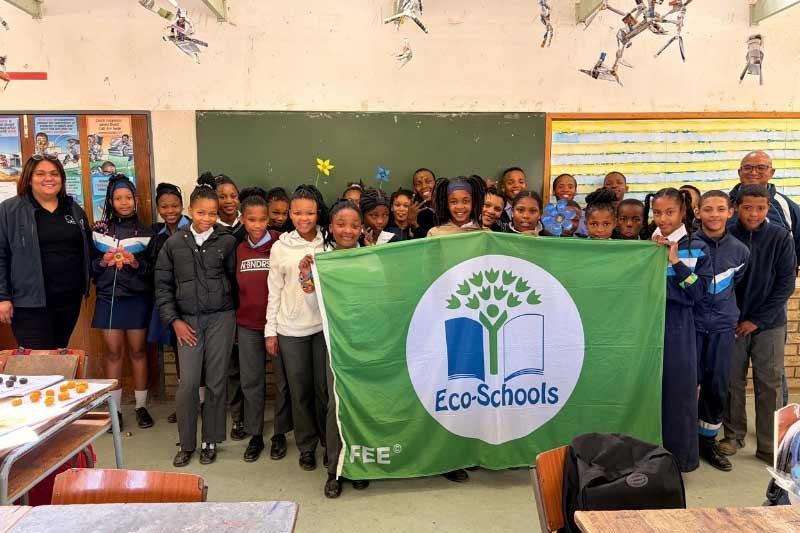
Pictured above: The Eco-committee at Kareeville Primary School participated in a school cleanup and got to showcase the schools recycling initiatives)

During the sessions, learners explored the recycling process through interactive activities designed to build practical understanding of waste management. School clean-ups were conducted, while learners also participated in “The Waste Race” – a waste sorting game where teams worked together to identify recyclable and non-recyclable items.

The initiative aims to improve learners’ understanding of recycling, encourage teamwork and environmental responsibility, and support cleaner school environments while contributing to the development of circular economy green businesses within schools.

Supporting Teachers to Lead Environmental Action


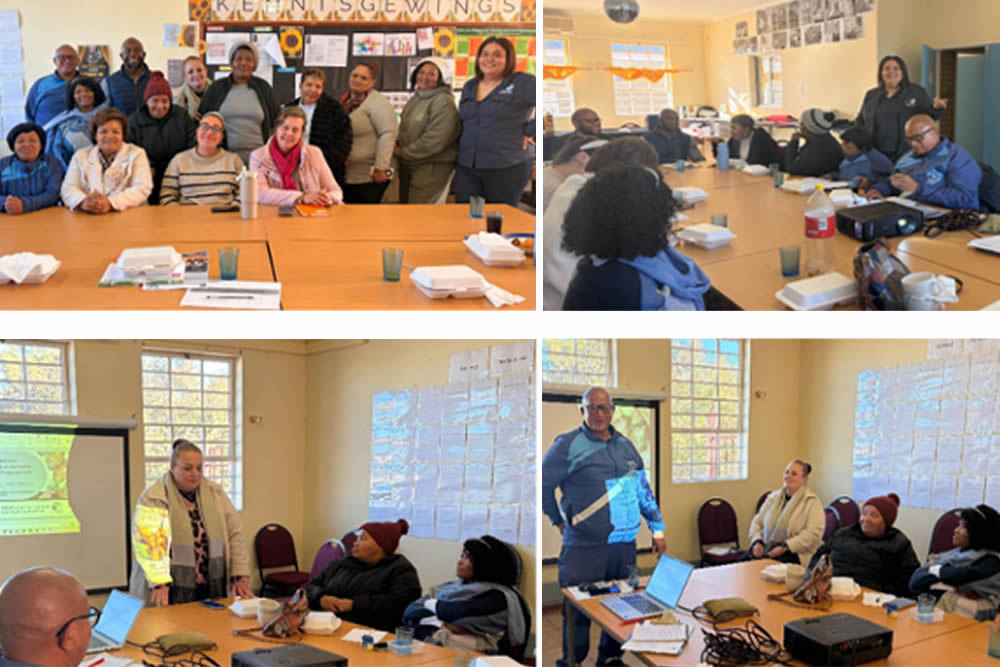
Pictured above: (clockwise) Teachers from Waterparks Primary and Beacon Primary School participated in a teacher workshop in Kimberley that took place at the DAERL Offices, facilitated by WESSA Project Manager, Daniel Jackson. Educators from Waterparks Primary showcasing their Eco-Schools action plans)

On 21 April 2026, WESSA also facilitated an introductory Eco-Schools teacher workshop as part of the Droogfontein Solar Power Circular Economy Eco-Schools Green Business Project. Hosted at the DAERL offices in Kimberley, the workshop welcomed teachers from Waterworks Primary School and Beacon Primary School – two new schools joining the Eco-Schools Programme.

The workshop focused on building teachers’ understanding of the Eco-Schools Programme and strengthening their capacity to implement environmental initiatives within their schools. Teachers collaborated to develop action plans for the year ahead, identifying potential green business opportunities linked to circular economy principles.

The session also highlighted ongoing environmental awareness initiatives taking place across the province and reinforced partnerships between schools and stakeholders such as DAERL.

Through these projects, schools in the Northern Cape are helping to equip learners and educators with the knowledge and practical tools needed to contribute to more sustainable communities while embedding environmental action into everyday school life.