Mzuvele High School restores two hectares through alien invasive removal

Mzuvele High School restores two hectares through alien invasive removal

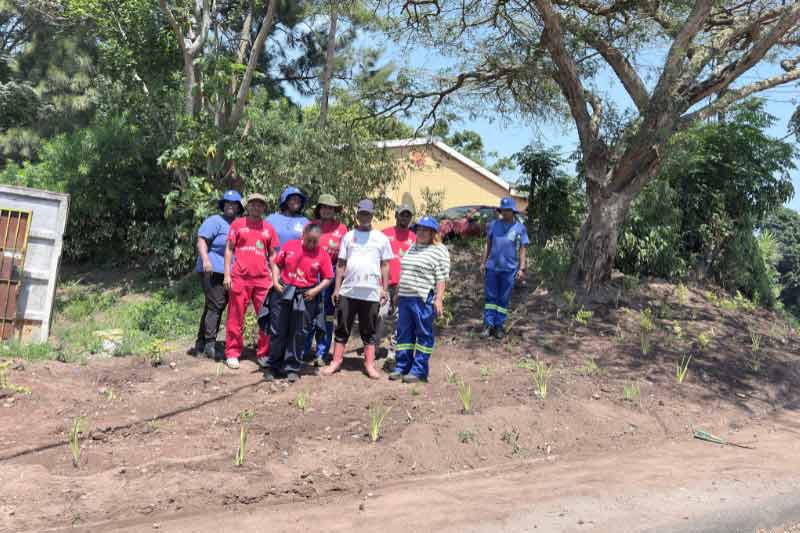
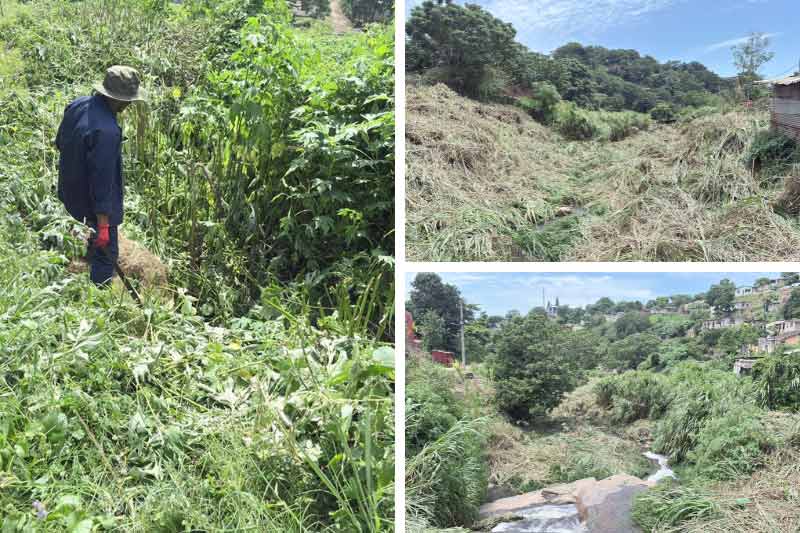
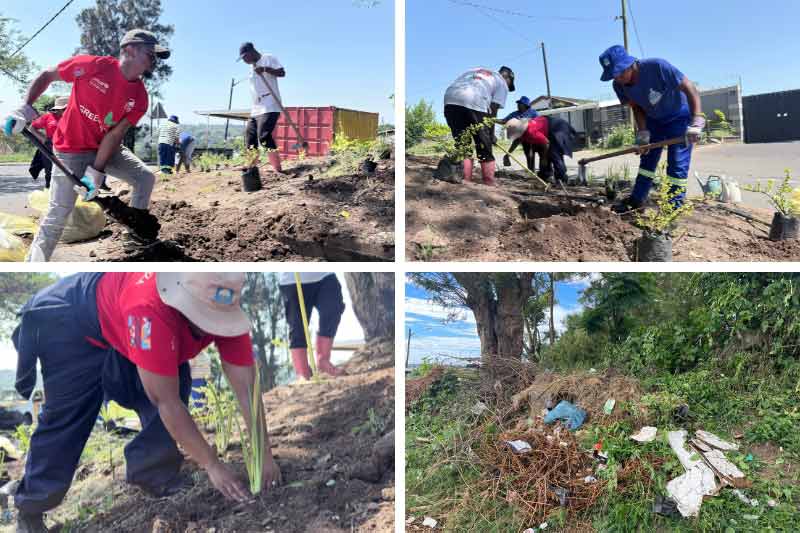
Pictured above: (top) WESSA Staff and Mzuvele learners and teacher rolling up sleeves to clear alien vegetation; (bottom left) WESSA Schools staff hard at work alongside learners; (bottom right) WESSA National Membership Coordinator Clearing helping with the clearing.

On 17 November 2025, the WESSA team joined Mzuvele High School for a hands-on environmental restoration initiative focused on clearing invasive alien plants that had overtaken the school’s food garden. What began as an educational engagement soon grew into a meaningful day of teamwork, leadership, and renewed environmental stewardship.

Understanding the impact of invasive species

The day opened with an informative session highlighting the importance of controlling invasive alien plants and the serious threats they pose to local ecosystems. Learners explored how these species compete with indigenous vegetation, reduce biodiversity, and undermine water and soil health, key concerns for a school that is working hard to maintain a productive food garden.

This learning laid the foundation for the practical work ahead, helping students recognise that caring for the land begins with understanding the challenges it faces.

A collaborative clearing effort with lasting benefits

After the briefing, learners and the WESSA team worked together to clear the affected area. Through shared effort and determination, a total of two hectares were successfully restored, reclaiming vital agricultural space and ensuring the sustainability of the school’s food production efforts.

The clearing session offered more than just environmental benefits. It strengthened learners’ understanding of conservation, nurtured teamwork, and helped them build confidence in their role as young environmental leaders.

Pictured above: Learners doing some heavy lifting

Celebrating environmental leadership

Following the clearing work, Mzuvele High School hosted a special award ceremony honouring Grade 12 Eco Club members for their leadership throughout the year. Their recognition highlighted the ongoing commitment of learners who continue to drive environmental awareness and positive change at the school.

In a meaningful gesture of partnership, WESSA was also awarded a certificate of appreciation for supporting the school’s efforts to promote sustainability and environmental awareness.

Pictured above: WESSA team receives a certification of appreciation by Mzuvele High School staff.

Growing stewardship and climate resilience

This initiative not only restored land and strengthened the school’s food garden, it reinforced learners’ identity as ecological stewards. Their active participation demonstrated how young people can make meaningful contributions to the sustainability and climate resilience of their school and community.

The day stands as a powerful example of what can be achieved when environmental education and action come together.

Building Water-Wise Schools: How CDM Educators and Learners stepped up in 2025

Building Water-Wise Schools: How CDM Educators and Learners stepped up in 2025

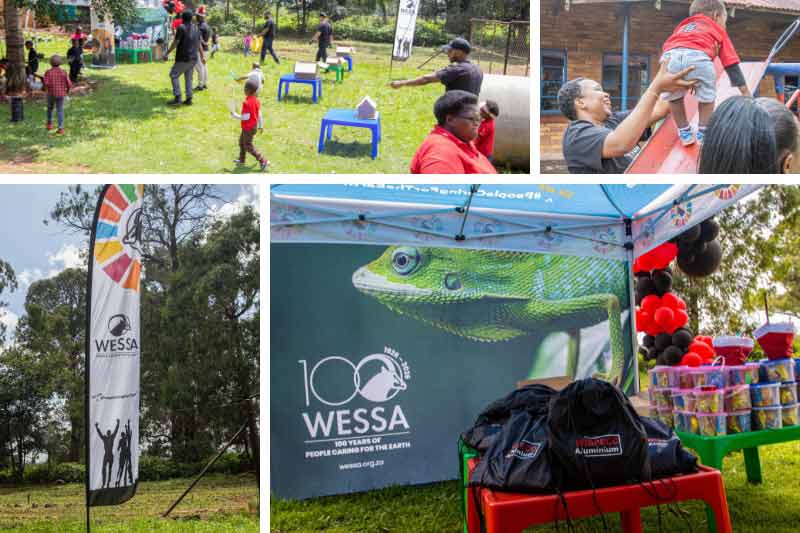
Pictured above: Makgwadiba Primary School Principal, Mrs Linah Malatji shaking hands with WESSA representative, Sabelo Sithole, during the resource hand over.

Through the WESSA & Capricorn District Municipality (CDM) Eco-Schools programme, educators and learners worked together to champion water-wise behaviour and long-term environmental stewardship.

Building Educator capacity for long-term climate resilience (Eco Schools Teachers workshop)

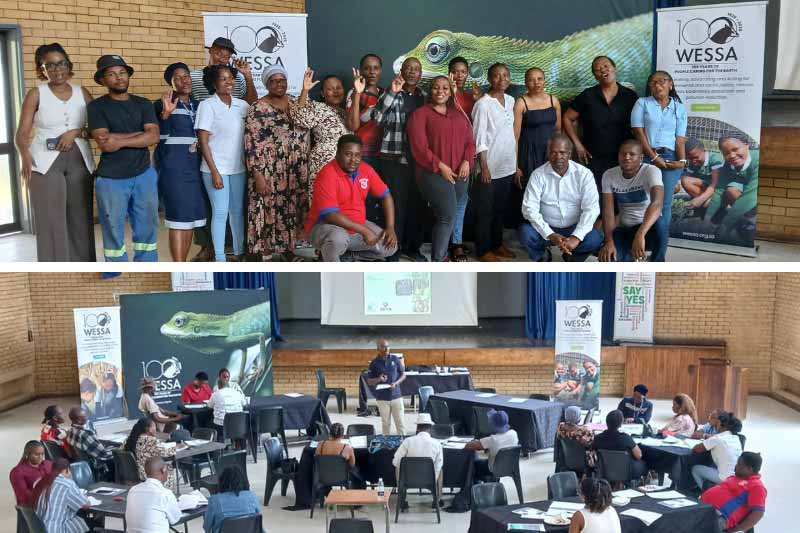
On 10 November 2025, the WESSA team hosted a dynamic teachers’ workshop at Makgwadiba Primary School to conclude this year’s project focused on building climate change resilience through water conservation. The session brought together all the knowledge gained throughout the year, with a strong emphasis on how schools can sustain the momentum moving forward.

Teachers engaged in meaningful discussions on the importance of critically assessing the trade-offs and consequences of resource allocation to maximise objectives, especially when working with limited resources. A key takeaway was the need for transparency, accountability, and the involvement of all stakeholders in decision-making processes ensuring everyone plays a part in achieving shared environmental goals.

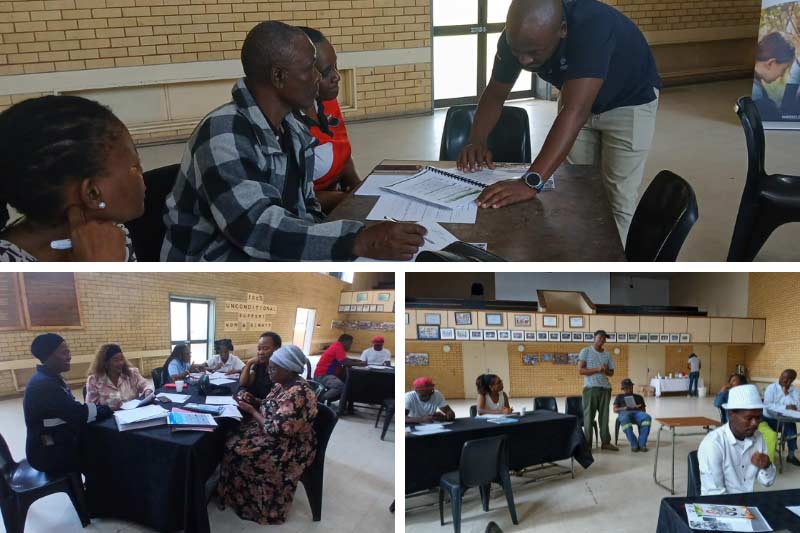
One of the highlights of the workshop was welcoming newly joined Eco-Club teachers who were inspired by the ongoing Eco-Schools activities at their respective schools. Participants also took part in an interactive resource allocation simulation, applying their new knowledge to real school scenarios. Their enthusiasm and commitment showcased the growing strength of environmental leadership within the community.

Workshop

Pictured above: (top) Teachers participating in a resource allocation simulation activity during the Teacher’s workshop session (bottom) Maribe Primary School Eco Club enjoyed our last engagement.

Hands-on water conservation, enabling learners to turn knowledge into daily action

Dikolobe Primary School

Pictured Above: (left) A learner at Dikolobe Primary School presenting on the importance of rainwater harvesting; (right) Learners at Pulamadibogo Primary School, prepared posters on water conservation and here a learner is seen presenting her poster.

Education sessions were conducted on the 11th and 12th of November across six schools in Turfloop as part of the final engagements with learners for this year’s Eco-Schools project.

These sessions focused on:

  • Strengthening learners’ understanding of practical water conservation techniques that can be applied both at school and at home.
  • Learners exploring simple yet effective practices such as fixing leaks, using water wisely during daily routines, and adopting methods that reduce unnecessary wastage.

By revisiting the concepts learned throughout the year, the sessions helped consolidate knowledge and highlight the importance of responsible water use.

The overall aim was to reinforce practical approaches to saving water and empower learners to take an active role in safeguarding this vital resource. Through discussions and interactive demonstrations, learners were encouraged to see themselves as key contributors to water conservation efforts within their communities. The sessions emphasised that small, consistent actions such as reporting leaks, reusing greywater safely, or practising mindful consumption can collectively make a significant impact.

As a result, learners left with a renewed sense of responsibility and a stronger commitment to protecting water resources for the future.

A water tank that changes everything

Pictured above: The Makgwadiba Primary School Eco Committee with the newly received water tank.

Makgwadiba Primary School received a much-needed water tank donation after the lack of proper water storage was identified as a key challenge.

The principal and staff expressed their heartfelt gratitude, noting that the tank would make a meaningful difference in the school’s efforts to use water responsibly and sustainably. They highlighted how the donation came at the perfect time, as the school had recently established a food garden to improve nutrition and support feeding programmes.

With the new tank, the school can store rainwater and ensure a steady supply for irrigation, especially during dry periods. This reliable water source is expected to greatly enhance food production, allowing the garden to flourish and ultimately benefit learners through fresh produce and improved food security.

WESSA 99th AGM report back

WESSA 99th AGM report back

AGM

Thank you to all WESSA members and supporters that were able to attend the 99th Annual General Meeting (AGM) of WESSA that took place on Saturday 4th October 2024 at 09h00.

“The WESSA community is powered by the voices of its people, from our young staff and volunteers who carry our vision into the future, to the leaders driving bold initiatives like WESSA100. I warmly invite you to listen to the 99th AGM recording below and hear presentations from Sabelo Sithole and Siziwe Hlongwa sharing their reflections, alongside Adrienne West presenting our centenary campaign, as well as detailed financial reports from our Treasurer and Senior Financial Manager.

Together, their contributions reflect the heart of WESSA: a legacy of action, innovation, and passion that continues to grow stronger with every generation.” – WESSA CEO, Cindy-Lee Cloete

Watch the video recording of the AGM

New Climate Change Act signed into law in South Africa

New Climate Change Act signed into law in South Africa

The new Climate Change Act signed into law by President Cyril Ramaphosa in April, aims to enforce stricter rules on greenhouse gas emissions. Going forward, companies, especially large businesses will need to meet emission targets set by Government.

The amount of greenhouse gas that companies are allowed to release will be capped according to business segment. While these regulations may seem challenging, they present opportunities for cost savings and enhanced reputation in an increasingly eco-conscious market.

This extends to business travel, where optimising routes, limiting trips, using more efficient transportation and choosing eco-friendly accommodation, such as that offered by members of the Green Key initiative, all have a role to play in reducing emissions.

The transition to more sustainable business travel is just beginning, with more regulations and incentives expected in the future. Companies that adapt now will be well-positioned to succeed in this new landscape.

Read more about sustainable business travel.

Blue Flag Tourism Application

Blue Flag
Application Form

Blue Flag Tourism Boat Application

You may save this form and resume completion within 30 days.

Click here for more information about the criteria required for Blue Flag status.

Step 1 of 6

Information about the municipality/community

Please note: All fields are required. You may save this form at any stage and return to complete it within 30 days.

Social Media Links (if applicable)

Information about the applying Blue Flag beach

Is the beach
Is there a kiosk/shop near the beach?
Is it a nudist beach?
Is this the first application for Blue Flag?
Do you need a new Blue Flag Board?
Click or drag files to this area to upload. You can upload up to 3 files.
Blue Flag logo
Eco-schools Logo
Green key logo
childsafe logo

Environmental Impact Assessment

Course type Training duration and mode Outcomes
WESSA certified 5 days (online)
  • Greater understanding of the links between the environment and development, leading to sustainable development
  • Appreciation of the role and value of EIA in assisting South Africa in meeting strategic objectives – such as poverty alleviation and environmental sustainability
  • Improved public participation in the EIA process
  • Improved governance in development planning