[WESSA Eco-Schools Programme] Six Schools awarded Bronze across Zambia and Zimbabwe

[WESSA Eco-Schools Programme] Six Schools awarded Bronze across Zambia and Zimbabwe

On 28 November 2025, WESSA Eco-Schools in partnership with Children in the Wilderness (CITW) proudly hosted the 2025 Eco-Schools Awards Ceremony at Bridge Café, located on the Victoria Falls Bridge along the Zambezi River and connects Zimbabwe and Zambia. The Awards recognised six exceptional Southern African schools that achieved their Bronze Award for their commitment to environmental education and sustainability.

Each of the six Eco Clubs showcased their year-long projects and the positive changes they are driving within their communities.

Strengthening food security through health & wellbeing

All six schools successfully implemented the Health & Wellbeing theme, focusing on strengthening food security through sustainable food gardening. Their work highlights how environmental education can directly improve nutrition, resilience, and community wellbeing.

To further support their learning, each school received a hydroponic system, enabling them to expand food production while integrating innovation, science, and practical environmental learning into the curriculum.

Awarded schools

  • Zambia: Lupani Primary School (Rural) and Twabuka Primary School (Semi-urban)
  • Zimbabwe: Mizpah Primary School (Semi-urban), Chamabondo Primary School (Urban/Town), Ngamo Primary School (Rural) and Ziga Primary School (Rural)

A regional partnership strengthening environmental education

This celebration also reflects the growing impact of WESSA’s Eco-Schools programme across Southern Africa. In Zimbabwe, the programme strengthened significantly following a three-day WESSA-led training with the CITW team, conducted by Nomfundo Ndlovu, WESSA Senior Manager, Schools & Youth Programmes. During this engagement, she also visited multiple schools across the country to understand their unique challenges and opportunities.

Ndlovu shared her insights, “These six schools have shown what is possible when environmental learning becomes hands-on, purposeful, and rooted in the realities of their communities. Their commitment to the Health & Wellbeing theme, from food gardens to hydroponic systems, demonstrates how young people can lead transformative change when they are empowered with the right tools and guidance. We are incredibly proud of the teachers, learners, and CITW mentors who have embraced Eco-Schools with such passion and determination. Their successes are not just school achievements; they are seeds of hope for a more resilient and sustainable Southern Africa.”

“The integration of the FEE programme through WESSA has significantly strengthened our existing initiatives, enabling CITW to more effectively educate Africa’s children on the importance of environmental stewardship and caring for our planet,” adds Susan Goatley, the CITW programme coordinator.

Celebrating a shared mission for sustainability

The partnership between WESSA and Children in the Wilderness is helping cultivate a new generation of young environmental leaders in Zambia and Zimbabwe. By nurturing environmental awareness, strengthening food security, and encouraging innovation, these schools are laying the foundation for healthier, more sustainable communities.

About Children in the Wilderness

Children in the Wilderness is the non-profit trust of Wilderness, established to support rural communities living alongside protected areas in Africa. The programme focuses on educating and empowering children through long-term environmental education, life skills development, and access to learning opportunities. By investing in education and community development, Children in the Wilderness helps reduce pressure on wildlife and natural resources while nurturing the next generation of conservation leaders. The programme reflects Wilderness’ belief that conservation and community well-being must go hand in hand. To learn more visit https://www.childreninthewilderness.com/

ADvTECH Eco-Schools 2025: A year of growth, creativity and environmental leadership

ADvTECH Eco-Schools 2025: A year of growth, creativity and environmental leadership

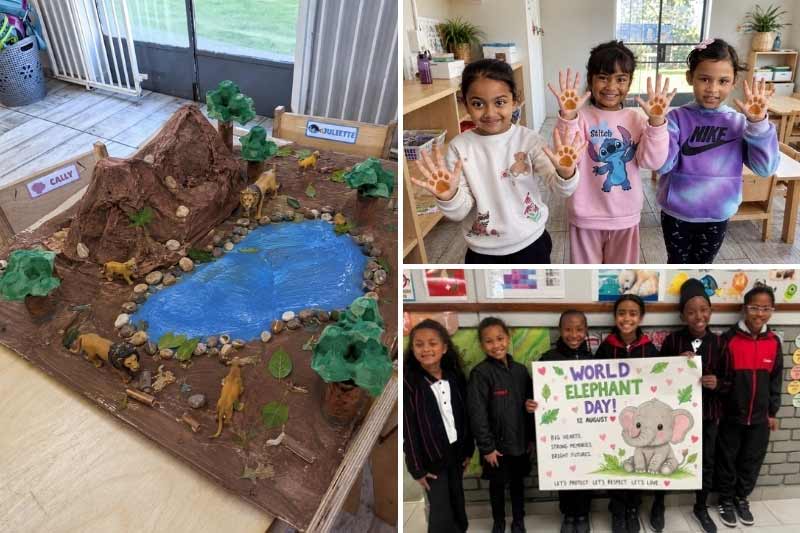
Pictured above: Elephant Day Eco Art Murals at The Bridge School Morningside

This year marked an incredible journey for ADvTECH schools as they embraced the WESSA Eco-Schools Programme with energy, creativity, and a genuine passion for positive change. From recycling initiatives and food gardens to biodiversity projects, nature excursions, and environmental day celebrations, ADvTECH schools truly stepped up as environmental champions in 2025.

Pictured above: (top: left to right) E-waste project at Crawford International La Lucia; Beach clean-up uShaka Crawford International North Coast.

(bottom: left to right) Crawford North Coast & Pecanwood College Staff join forces in Pilanesberg for a weekend of eco-action; The recycling team at Crawford International.

Learners taking action, one project at a time

Learners of all ages played an active role throughout the year. They got their hands dirty by sorting waste, planting trees, testing water quality, and leading environmental awareness campaigns during school assemblies.

Eco-Committees formed at each school, worked tirelessly to keep projects moving, while teachers guided and inspired learners to think critically about the world around them. Classrooms were transformed through awareness art and posters, outdoor learning spaces were created with pride, and schools developed a stronger culture of conscious consumerism.

Innovation fueled by passion and teamwork

Several ADvTECH schools took their Eco-Schools efforts to the next level with creative and community-driven initiatives. These included:

  • E-Waste recycling drives
  • Upcycled art exhibitions
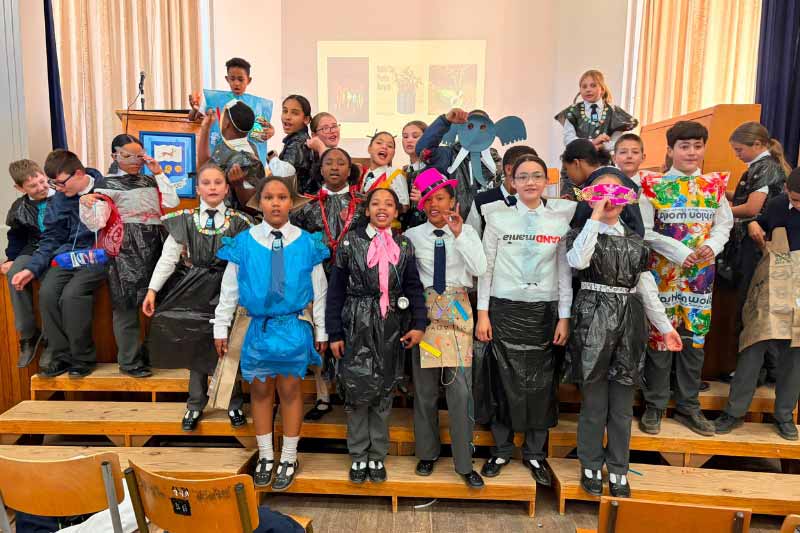
  • “Trashion” fashion shows
  • Composting systems
  • Sustainability-themed school events that brought entire communities together

What truly stood out was the growing sense of teamwork, leadership, and excitement as learners realised that their individual and collective actions make a meaningful difference.

Pictured above: (Left) Learners planting trees at Maragon Olympus for Arbor Week; (right) Pinnacle College Kyalami started an earthworm farm for International Compost Week.

Pictured above: (top) Gaborone International School celebrating World Wildlife Day; (bottom left) World Bee Day at Trinityhouse Glenvista and Pinnacle College Raslouw (bottom right).

Celebrating a successful year and looking ahead

Together, ADvTECH schools have shown what it means to care for our planet. Their commitment, creativity, and hard work saw them thrive in the WESSA Eco-Schools Programme throughout 2025.

Here’s to even greener steps and bold new ideas as they continue their sustainability journey in 2026!

Mzuvele High School restores two hectares through alien invasive removal

Mzuvele High School restores two hectares through alien invasive removal

Pictured above: (top) WESSA Staff and Mzuvele learners and teacher rolling up sleeves to clear alien vegetation; (bottom left) WESSA Schools staff hard at work alongside learners; (bottom right) WESSA National Membership Coordinator Clearing helping with the clearing.

On 17 November 2025, the WESSA team joined Mzuvele High School for a hands-on environmental restoration initiative focused on clearing invasive alien plants that had overtaken the school’s food garden. What began as an educational engagement soon grew into a meaningful day of teamwork, leadership, and renewed environmental stewardship.

Understanding the impact of invasive species

The day opened with an informative session highlighting the importance of controlling invasive alien plants and the serious threats they pose to local ecosystems. Learners explored how these species compete with indigenous vegetation, reduce biodiversity, and undermine water and soil health, key concerns for a school that is working hard to maintain a productive food garden.

This learning laid the foundation for the practical work ahead, helping students recognise that caring for the land begins with understanding the challenges it faces.

A collaborative clearing effort with lasting benefits

After the briefing, learners and the WESSA team worked together to clear the affected area. Through shared effort and determination, a total of two hectares were successfully restored, reclaiming vital agricultural space and ensuring the sustainability of the school’s food production efforts.

The clearing session offered more than just environmental benefits. It strengthened learners’ understanding of conservation, nurtured teamwork, and helped them build confidence in their role as young environmental leaders.

Pictured above: Learners doing some heavy lifting

Celebrating environmental leadership

Following the clearing work, Mzuvele High School hosted a special award ceremony honouring Grade 12 Eco Club members for their leadership throughout the year. Their recognition highlighted the ongoing commitment of learners who continue to drive environmental awareness and positive change at the school.

In a meaningful gesture of partnership, WESSA was also awarded a certificate of appreciation for supporting the school’s efforts to promote sustainability and environmental awareness.

Pictured above: WESSA team receives a certification of appreciation by Mzuvele High School staff.

Growing stewardship and climate resilience

This initiative not only restored land and strengthened the school’s food garden, it reinforced learners’ identity as ecological stewards. Their active participation demonstrated how young people can make meaningful contributions to the sustainability and climate resilience of their school and community.

The day stands as a powerful example of what can be achieved when environmental education and action come together.

Building Water-Wise Schools: How CDM Educators and Learners stepped up in 2025

Building Water-Wise Schools: How CDM Educators and Learners stepped up in 2025

Pictured above: Makgwadiba Primary School Principal, Mrs Linah Malatji shaking hands with WESSA representative, Sabelo Sithole, during the resource hand over.

Through the WESSA & Capricorn District Municipality (CDM) Eco-Schools programme, educators and learners worked together to champion water-wise behaviour and long-term environmental stewardship.

Building Educator capacity for long-term climate resilience (Eco Schools Teachers workshop)

On 10 November 2025, the WESSA team hosted a dynamic teachers’ workshop at Makgwadiba Primary School to conclude this year’s project focused on building climate change resilience through water conservation. The session brought together all the knowledge gained throughout the year, with a strong emphasis on how schools can sustain the momentum moving forward.

Teachers engaged in meaningful discussions on the importance of critically assessing the trade-offs and consequences of resource allocation to maximise objectives, especially when working with limited resources. A key takeaway was the need for transparency, accountability, and the involvement of all stakeholders in decision-making processes ensuring everyone plays a part in achieving shared environmental goals.

One of the highlights of the workshop was welcoming newly joined Eco-Club teachers who were inspired by the ongoing Eco-Schools activities at their respective schools. Participants also took part in an interactive resource allocation simulation, applying their new knowledge to real school scenarios. Their enthusiasm and commitment showcased the growing strength of environmental leadership within the community.

Workshop

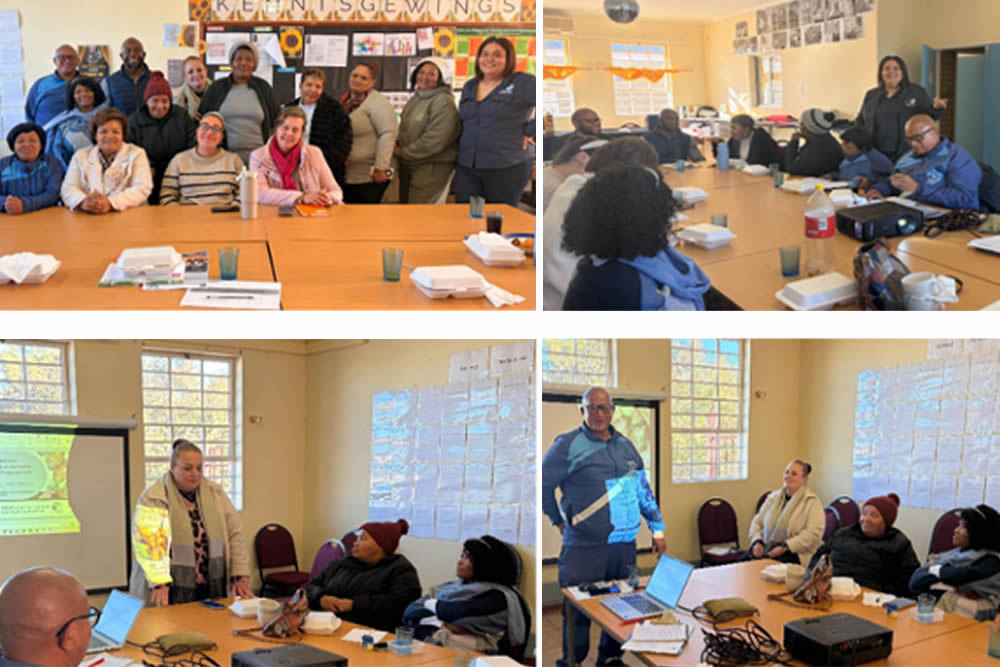
Pictured above: (top) Teachers participating in a resource allocation simulation activity during the Teacher’s workshop session (bottom) Maribe Primary School Eco Club enjoyed our last engagement.

Hands-on water conservation, enabling learners to turn knowledge into daily action

Dikolobe Primary School

Pictured Above: (left) A learner at Dikolobe Primary School presenting on the importance of rainwater harvesting; (right) Learners at Pulamadibogo Primary School, prepared posters on water conservation and here a learner is seen presenting her poster.

Education sessions were conducted on the 11th and 12th of November across six schools in Turfloop as part of the final engagements with learners for this year’s Eco-Schools project.

These sessions focused on:

  • Strengthening learners’ understanding of practical water conservation techniques that can be applied both at school and at home.
  • Learners exploring simple yet effective practices such as fixing leaks, using water wisely during daily routines, and adopting methods that reduce unnecessary wastage.

By revisiting the concepts learned throughout the year, the sessions helped consolidate knowledge and highlight the importance of responsible water use.

The overall aim was to reinforce practical approaches to saving water and empower learners to take an active role in safeguarding this vital resource. Through discussions and interactive demonstrations, learners were encouraged to see themselves as key contributors to water conservation efforts within their communities. The sessions emphasised that small, consistent actions such as reporting leaks, reusing greywater safely, or practising mindful consumption can collectively make a significant impact.

As a result, learners left with a renewed sense of responsibility and a stronger commitment to protecting water resources for the future.

A water tank that changes everything

Pictured above: The Makgwadiba Primary School Eco Committee with the newly received water tank.

Makgwadiba Primary School received a much-needed water tank donation after the lack of proper water storage was identified as a key challenge.

The principal and staff expressed their heartfelt gratitude, noting that the tank would make a meaningful difference in the school’s efforts to use water responsibly and sustainably. They highlighted how the donation came at the perfect time, as the school had recently established a food garden to improve nutrition and support feeding programmes.

With the new tank, the school can store rainwater and ensure a steady supply for irrigation, especially during dry periods. This reliable water source is expected to greatly enhance food production, allowing the garden to flourish and ultimately benefit learners through fresh produce and improved food security.

Teaching sustainability through waste-to-energy innovation with eWASA & WESSA

Teaching sustainability through waste-to-energy innovation with eWASA & WESSA

Pictured above: [top] Learners at Diepsloot West Secondary School receiving their project participation certificates; [bottom left] Learner Biogas Experiment at Diepsloot Secondary; [bottom right] Educators at the teacher workshop hosted by Diepsloot Combined School on 23 October 2025.

From 20 October to 5 November 2025, WESSA and the eWASA Schools Waste Management and Education Project wrapped up the year with a series of inspiring Biogas Education Sessions and Teacher Development Workshops across Gauteng.

Learners from ten participating Eco-Schools explored the theme “Waste to Energy”, discovering first-hand how organic waste can be transformed into a renewable resource. Through interactive experiments, they observed how gases released from decomposing food waste can be captured, stored, and used for cooking, a practical example of how waste can fuel sustainable solutions.

Each school’s Eco-Committee designed its own biogas experiment to monitor over the coming month, bringing science and sustainability to life in the classroom. The sessions sparked curiosity, encouraged critical thinking, and helped learners reimagine waste as a valuable resource rather than a problem.

To ensure that the project’s impact continues well beyond the classroom, WESSA hosted two teacher workshops on 22 and 23 October. Twelve dedicated educators took part in sessions focused on project sustainability, guided by the Eco-Schools sustainability planning framework. Together, they explored strategies to strengthen environmental projects over the next five years, deepening their understanding of the three pillars of sustainability, the WESSA Seven Steps, and the UN Sustainable Development Goals (SDGs). Teachers also developed action plans for resource mobilisation and long-term environmental education, ensuring that meaningful change continues to grow in their schools and communities.

This final round of activities marks an important milestone in the partnership between eWASA and WESSA, demonstrating the power of education to turn ideas into action and build a generation ready to shape a more sustainable future.

Pictured above: [Top left] Learners designing a biogas experiment at Winnie Mandela Secondary School; [top right] Educators at the teacher workshop hosted by Winnie Mandela Secondary School on 22 October 2025; [bottom right] Biogas experiment created by learners at Tembisa West Secondary School; [bottom left] Biogas education session at Tembisa West Secondary School

[ADvTECH Schools] Hand in Hand for Better Foods and a Better Future

[ADvTECH Schools] Hand in Hand for Better Foods and a Better Future

Pictured above: Learning about Healthy Foods for World Food Day at Pecanwood College.

For World Food Day 2025 on 16 October 2025, learners from Pecanwood College and Crawford International Bryanston rolled up their sleeves to celebrate this global event through meaningful, hands-on learning experiences.

At Pecanwood College, classes explored where our food comes from, why it’s so precious, and how healthy choices benefit both people and the planet. The Grade 0 learners proudly created a colourful awareness poster, while the entire school joined forces in a tinned food drive to support families in need — spreading kindness and community spirit beyond the classroom.

ADvTECH

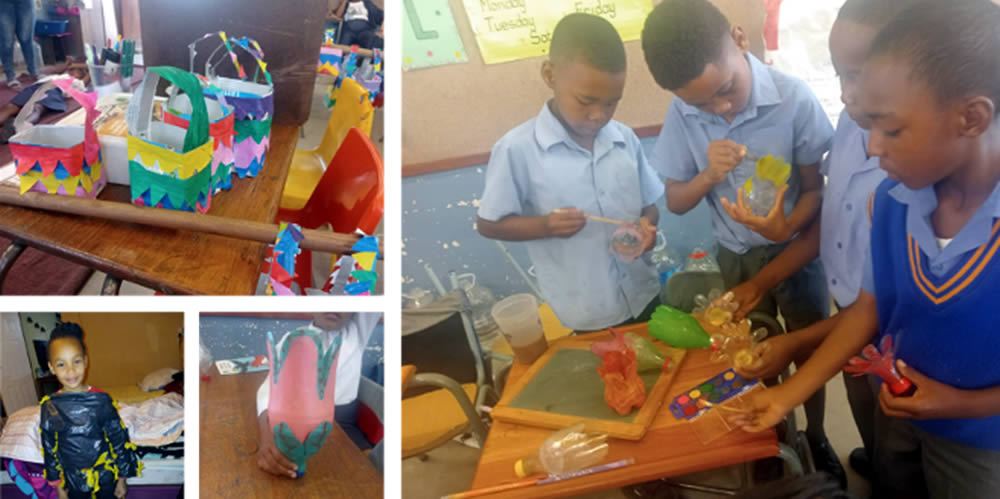
Pictured above: (left) Exploring Healthy Foods at Pecanwood College; (top) World Food Day Charity Drive at Pecanwood College to give to those in need in the community; (bottom right to left) Crawford International Bryanston – learner pretending to be a farmer for World Food Day and Farm-to-Table provocation.

Meanwhile, at Crawford International Bryanston, the Grade 00 learners brought the global theme “Hand in Hand for Better Foods and a Better Future” to life through a joyful Farm-to-Table Provocation. Their classroom transformed into a bustling market, filled with baskets of real and pretend fruits, vegetables, and grains. Learners explored textures, colours, and scents, role-playing as farmers, cooks, and shoppers to discover the journey of food from farm to table.

Both schools beautifully combined creativity, teamwork, and global awareness, helping learners appreciate the effort behind every meal and understand the importance of making mindful, healthy, and sustainable food choices, one delicious lesson at a time.

ADvTECH

Pictured above: World Food Day Poster created by learners at Pecanwood College.