Clean Air Fund: Citizen Science and Journalism, Voices for Clean Air is officially underway!

Clean Air Fund: Citizen Science and Journalism, Voices for Clean Air is officially underway!

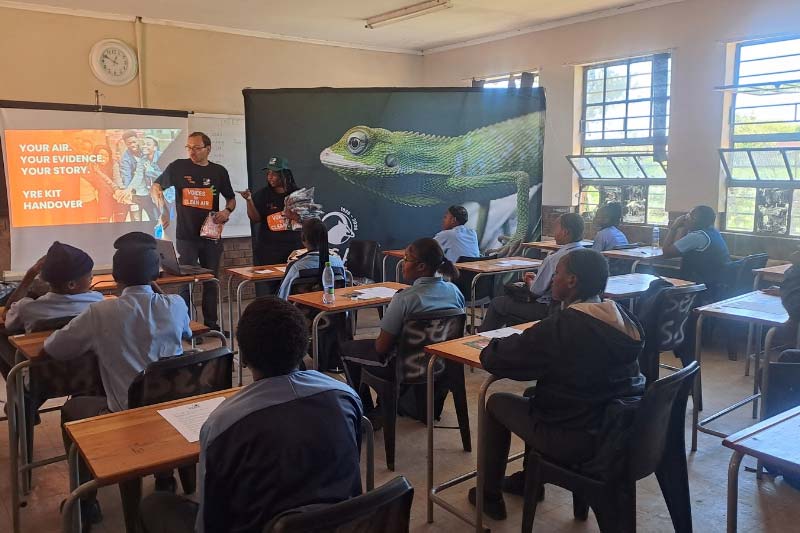
Pictured: Daniel Jackson, WESSA project manager, facilitating the Clean Air Fund induction session at Seaegeng Secondary School in Ga-Rankuwa, Gauteng.

What happens when young people are given the tools to investigate the air they breathe and the confidence to tell the stories behind the evidence?

They become more than observers. They become voices for change.

The WESSA Schools & Youth Unit have officially kicked off the induction workshops for the Citizen Science and Journalism Project: Voices for Clean Air. In partnership with the Clean Air Fund, we are bringing together 200 young people across five provinces to explore local air-pollution challenges and tell the stories that matter to their communities.

In October and November, induction workshops took place across Gauteng, KwaZulu-Natal, the Northern Cape and the Western Cape, including school learners, university students and unemployed youth. These young participants are beginning their journey as Young Reporters for the Environment, developing the knowledge and skills they need to understand air pollution and champion cleaner air.


Start with curiosity. Then investigate.
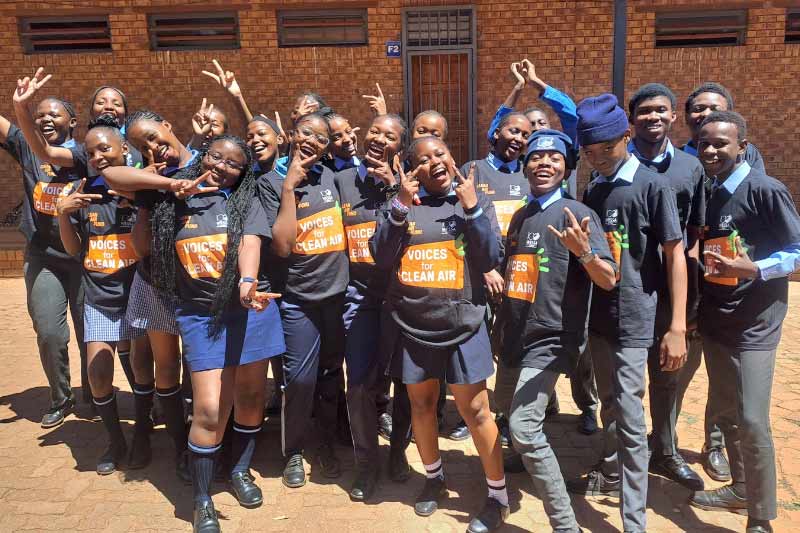
 

Pictured: Young reporters at Seaegeng Secondary School in Ga-Rankuwa, Gauteng.


At Seaegeng Secondary School in Ga-Rankuwa, Gauteng, and unemployed youth in the Western Cape young reporters were introduced to the programme, its objectives and the role they will play in raising awareness about air pollution.

The participants received Young Reporters for the Environment (YRE) toolkits, providing practical resources to support them throughout their journey.

But the most important part of the induction was what they were encouraged to do: ask questions.

Because understanding air pollution starts with being curious about what is happening around us – and asking what we need to know to understand it.


Taking the investigation into the real world
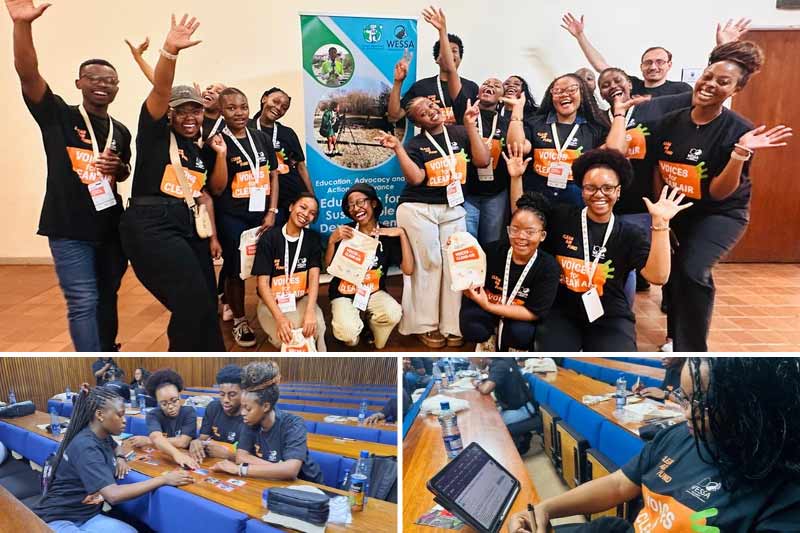
 

Pictured: Young reporters at Sefako Makgatho Health Sciences University (SMU).

At Sefako Makgatho Health Sciences University (SMU), that curiosity became investigation.

Students aged 19–25 explored what is in the air, how air pollution travels and the rights associated with clean air. They then took their learning onto campus, identifying potential pollution issues and considering who might be affected, what evidence they would need and how those issues could be investigated further.

This is citizen science in action: looking closely at the environment around us, identifying questions worth investigating and thinking critically about the evidence needed to understand the challenges communities face.


Connecting cleaner air to local realities
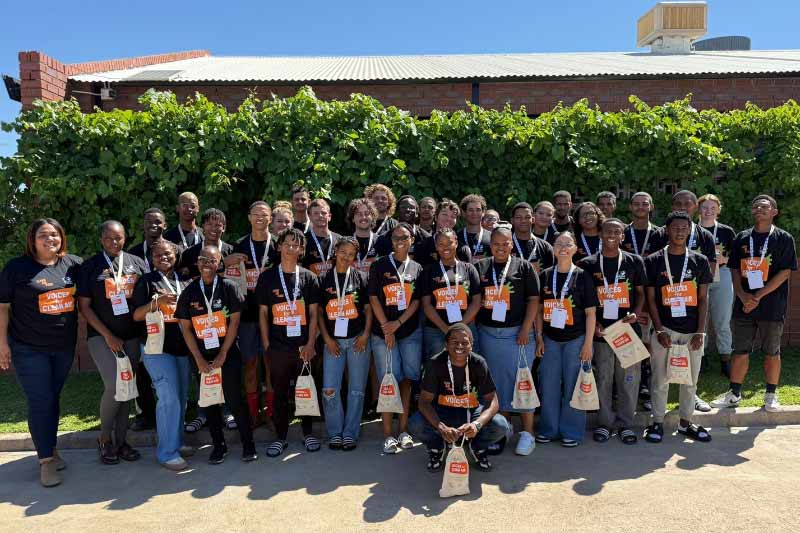
 

Pictured: Young reporters at Vine Academy Model Farm in Kakamas, Northern Cape.

On 5 November 2026, the programme continued at Vine Academy Model Farm in Kakamas, Northern Cape bringing together first-year students from the academy, whose enthusiasm and active participation helped bring the discussions to life.

Through interactive activities and conversations, students shared their perspectives, contributed ideas and explored how the workshop topics connected to issues in their own communities.

Their agricultural backgrounds added another important dimension to the discussions. Drawing on their own experiences, students were able to make meaningful connections between the workshop content and local agricultural practices, demonstrating how environmental issues can be understood through the realities of the communities in which people live and work.
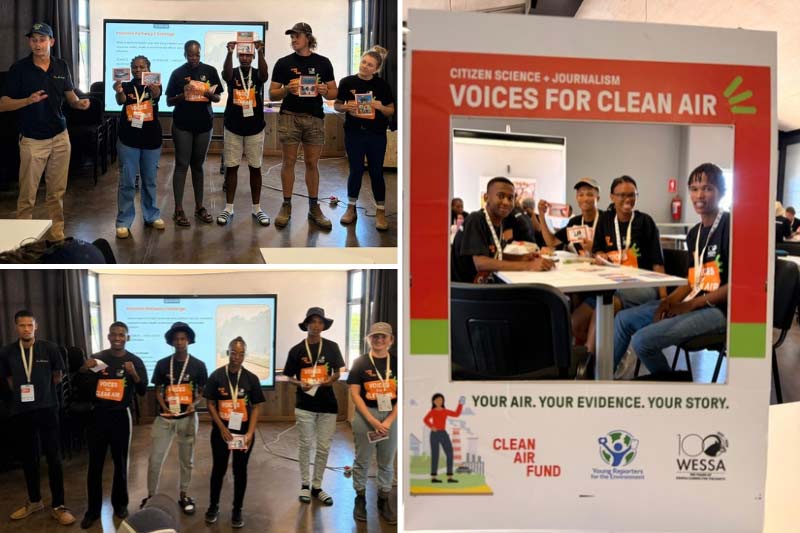
 

Pictured: Young reporters at Vine Academy Model Farm in Kakamas, Northern Cape, engaging in group work and presenting their findings.

By creating space for participants to bring their own knowledge and experiences into the conversation, the workshop reinforced an important part of citizen science: local knowledge and lived experience have a valuable role to play in understanding environmental challenges.


Evidence is only powerful when people can understand it
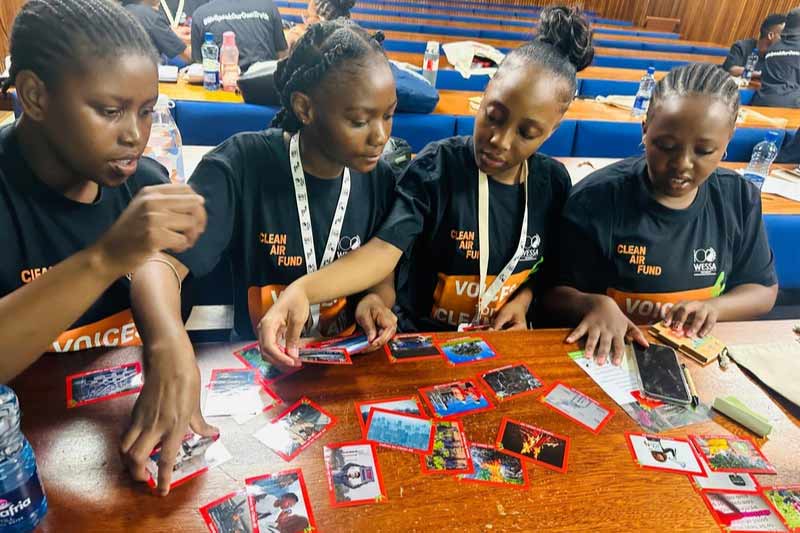
 

Pictured: Young reporters discussing different air pollution pathways, their sources, pollutants released, exposure and impact.

The programme is also developing another essential skill: the ability to communicate environmental issues clearly and meaningfully.

Participants are challenged to consider how they would explain air-pollution issues to different audiences, including children, community leaders and journalists.

Because gathering evidence is only part of the journey.

For that evidence to create impact, it needs to be understood. It needs to connect with people’s experiences. And it needs to become a story that people can engage with.


From environmental data to community stories


The journey ahead will take the Young Reporters deeper into air-quality monitoring, citizen science, community research and environmental journalism, supported by mentoring to strengthen their communication, critical-thinking and storytelling skills.

They will learn to connect environmental data with the lived experiences of their communities.

They will investigate. They will question. They will gather evidence. And they will turn what they discover into stories that can help their communities understand the challenges around air pollution.

This is what makes Voices for Clean Air more than an awareness programme.

It is about building the knowledge, practical skills and confidence young people need to investigate responsibly, communicate what they find and amplify the voices of their communities.

Because cleaner air is not only an environmental issue. It is something communities experience every day.

And when young people have the tools to understand it, investigate it and tell its story, they can become an important part of the conversation about cleaner, healthier air for all.

#YourAirYourEvidenceYourStory

Want to partner with WESSA Schools & Youth Unit on your next environmental education project? Reach out for more information: https://www.wessa.org.za/contact-us/
eWASA–WESSA Teacher Workshop: Sharing Successes and Strengthening School Recycling Programmes

eWASA–WESSA Teacher Workshop: Sharing Successes and Strengthening School Recycling Programmes

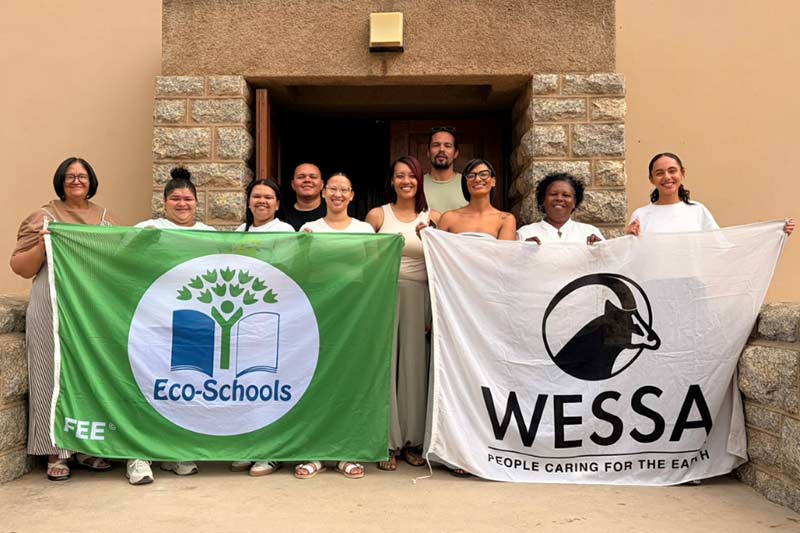
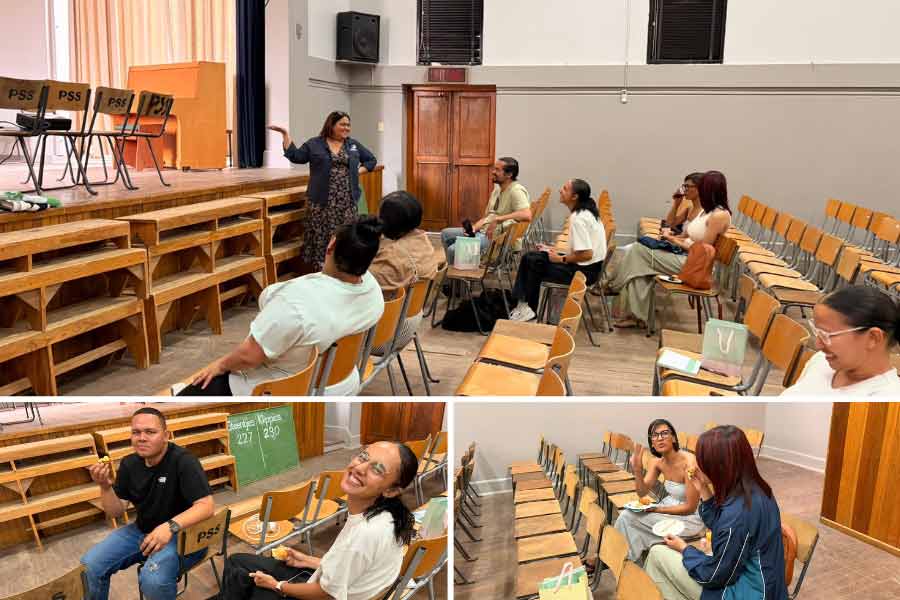
Pictured: Teachers from Primere Skool Springbok, Ferdinand Brecher Primary School, Concordia Primary School, Sacred Heart Primary School, Okiep Primary School and Okiep High School

On 31 October 2026, coordinators from the 10 schools participating in the eWASA–WESSA SA Schools Waste Management and Education Project in Namaqualand came together for a teacher workshop focused on sharing experiences, celebrating progress and finding practical solutions to common challenges.

The workshop provided an opportunity to reflect on the year’s activities, discuss highlights and successes, and identify challenges experienced during project implementation. It also focused on the Eco-Schools portfolio of evidence required for the year, with teachers preparing the necessary documentation for submission to the WESSA Eco-Schools programme awards.


Learning from shared experiences


Each school had an opportunity to review its recycling programme and share its experiences with the wider group. Presentations highlighted key achievements, challenges, potential mitigation measures and proposed solutions, creating space for teachers to learn from one another and exchange ideas.


Designed to encourage inclusive participation and open dialogue, the workshop placed an emphasis on collaborative, solution-focused discussions. Teachers were able to voice their perspectives, explore practical ways to address shared challenges and consider how their experiences could inform improvements across participating schools.

These knowledge-sharing sessions strengthened collaboration between schools and encouraged the exchange of ideas to support recycling initiatives, improve project implementation and contribute to the long-term sustainability of school programmes.

Connecting South Africa’s coastline to a global conservation network

Connecting South Africa’s coastline to a global conservation network

Taking South Africa’s coastal voice global


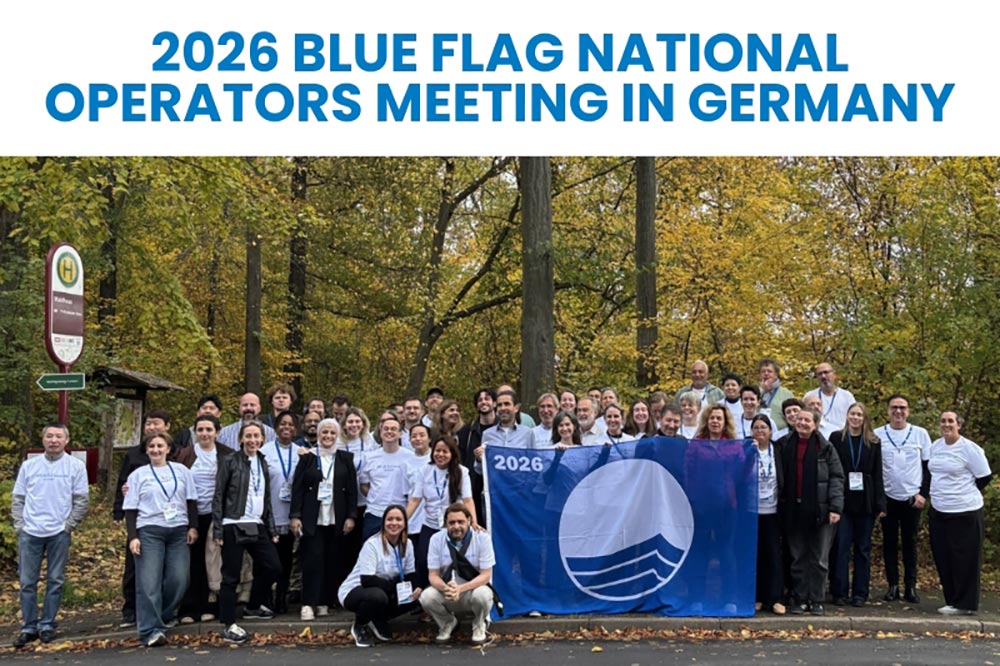
WESSA’s Senior Coastal Programme Manager, Mike Denison, recently represented South Africa at the Blue Flag National Operators Meeting in Germany. Hosted by the Foundation for Environmental Education (FEE), the meeting brought together national operators from around the world to exchange experiences, share insights and discuss the future direction of the programme.

These international engagements provide an opportunity to share knowledge, strengthen relationships and contribute to the continued development of the Blue Flag programme. We look forward to sharing more about the insights and learnings Mike brings back to South Africa.


Growing our coastal network


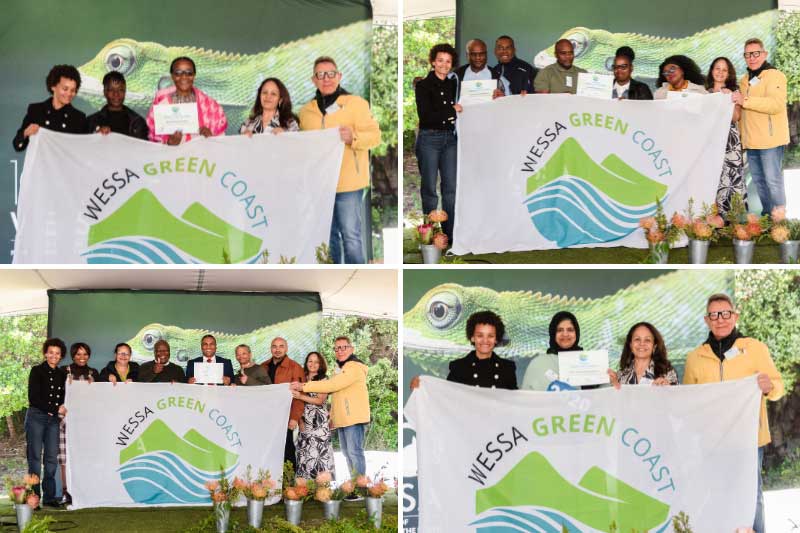
South Africa’s coastal conservation network continues to grow, with four new Green Coast sites and five new Blue Flag beaches joining the WESSA Coastal Programmes family.

The new Green Coast sites are Southbroom Main Beach (Ray Nkonyeni Municipality), Nahoon Estuary to Reef (Buffalo City Metropolitan Municipality), Kanon Beach (Mossel Bay) and Happy Valley (Richtersveld


Pictured: (left to the right, top: Nahoon Estuary to Reef – Buffalo City Metro Municipality representatives; Ray Nkonyeni Municipality representatives; (bottom left to right): Happy Valley – Richtersveld Municipality representatives; Kanon Beach – Mossel Bay representatives. * all photos include WESSA CEO Cindy-Lee Cloete on the left, Kathy Young, Blue Flag International director, and Janssen Davies, WESSA Chairperson on the right.

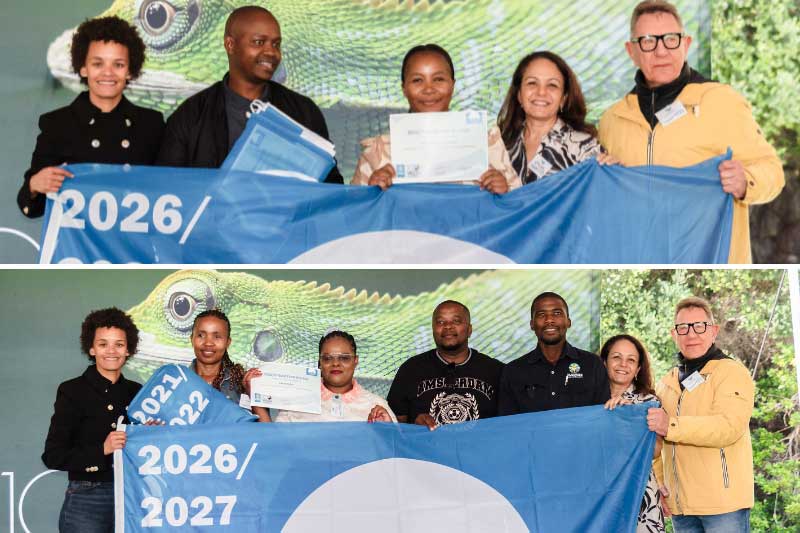
The five new Blue Flag beaches are Bazley, Umthwalume, Rocky Bay, Preston (Umdoni Municipality) and Club Med – Tinley Manor Beach (KwaDukuza Municipality). These additions reflect the continued commitment of coastal communities and municipal partners to sustainable coastal management.


Pictured: (top): KwaDukuza Municipality representatives; (bottom): Umdoni Municipality representatives. *all photos include WESSA CEO Cindy-Lee Cloete on the left, Kathy Young, Blue Flag International director and Janssen Davies, WESSA Chairperson on the right.


More from our Coastal Programmes


As preparations continue for the new Blue Flag season opening on 1 December, coastal teams and partners are working behind the scenes to get sites ready for summer.

This year also marks 25 years of Blue Flag in South Africa. The milestone was celebrated at the 2026 Blue Flag and Green Coast Awards in Hermanus, where 62 Blue Flags and 19 Green Coast sites were recognised.

[Read more about the awards and recognised sites.]

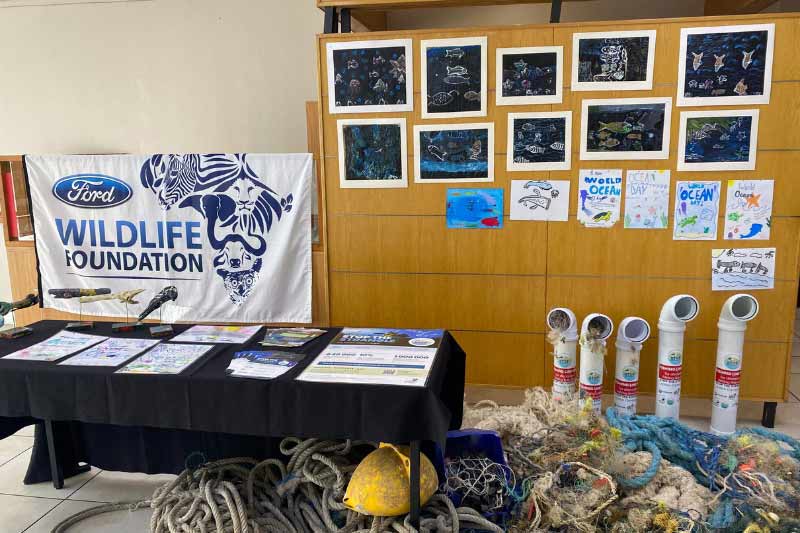
At the 2026 Coastal Celebrations, WESSA also spotlighted its Stop the Strangle campaign, which is building a connected network of coastal stewards and advocates to raise awareness and take action against ghost fishing.


On 7 October, we hosted a Knowledge Share and Networking Day in Gansbaai, bringing together Blue Flag and Green Coast operators for a day of learning, collaboration and connection.

The programme included expert presentations exploring marine entanglements and pollution, the role of shark cage diving in supporting public education and marine research and current research into these vital areas. This was followed by an ocean safari and a visit to the African Penguin and Seabird Sanctuary, where partners learnt more about the threats facing African penguins and the conservation efforts underway to protect them.


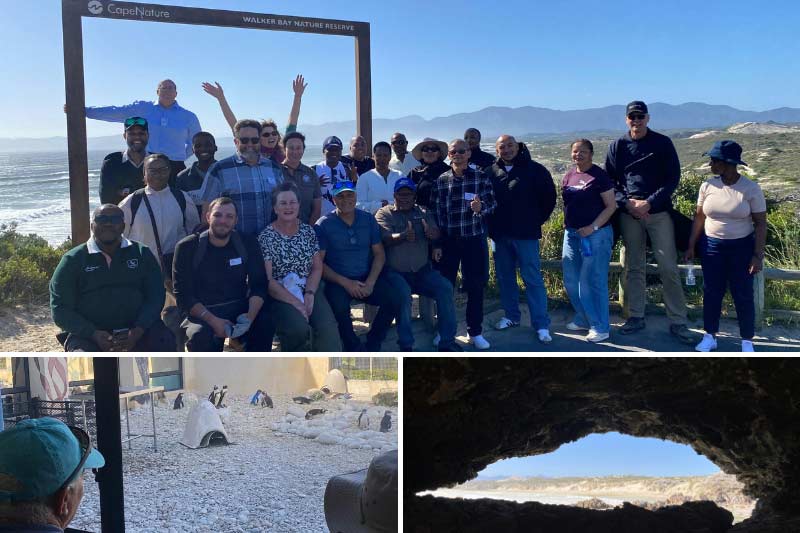
Pictured (top to bottom right, left): WESSA team partners at Walker Bay Nature Reserve viewpoint, Walker Bay Klipgat cave, De Kelders; African Penguin and Seabird Sanctuary – observing the penguins.

Finally, we are delighted to welcome Amber Konstant, WESSA’s new Coastal Operations Manager.

Her experience includes managing programme budgets, coordinating stakeholders and supporting donor reporting across multiple partners and regions – experience that aligns closely with the collaborative and impact-driven nature of WESSA’s coastal programmes.


[Learn more about Amber Konstant].

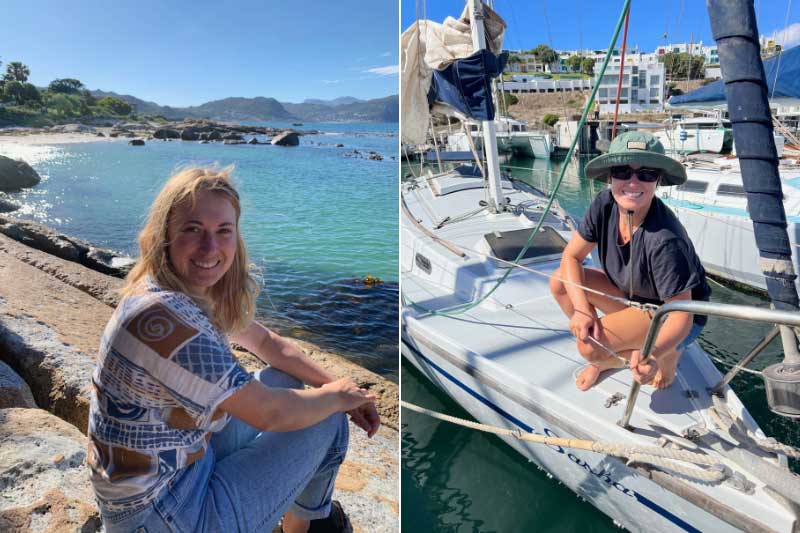
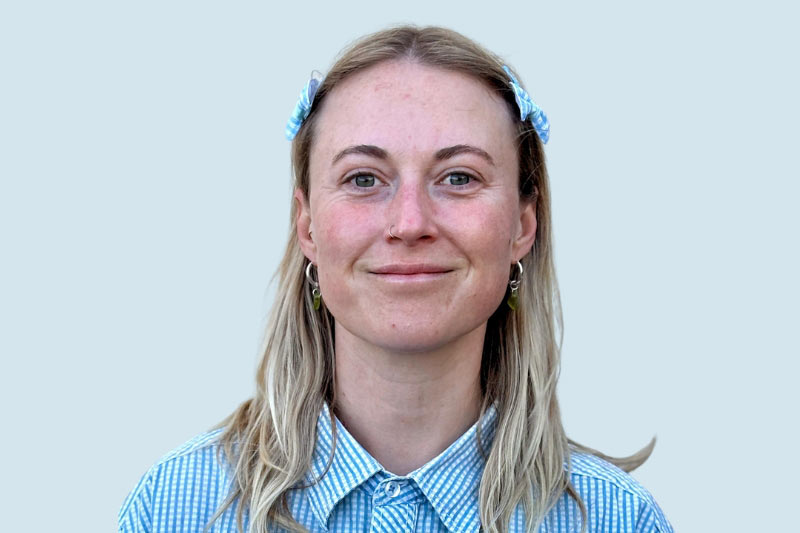
Meet Amber Konstant, WESSA’s newly appointed Coastal Operations Manager

Meet Amber Konstant, WESSA’s newly appointed Coastal Operations Manager

WESSA is delighted to welcome Amber Konstant to the team as our new Coastal Operations Manager, bringing experience in project management, membership, stakeholder engagement and climate-focused programmes.

She joins us from SouthSouthNorth, where she led project management and membership for the Adaptation Research Alliance, a network of more than 260 organisations working on locally led climate adaptation.

Her experience includes managing programme budgets, coordinating stakeholders and supporting donor reporting across multiple partners and regions, experience that aligns closely with the collaborative and impact-driven nature of WESSA’s coastal programmes.

A lifelong connection to the coast

Amber grew up and studied in Cape Town, completing a BSc in Marine Biology and Environmental & Geographical Sciences at the University of Cape Town. Her professional journey has continued to bring together her interests in people, climate and the environment.

For Amber, joining WESSA is also a chance to contribute to protecting a place that

“The ocean has shaped much of my life. I studied marine sciences, and I spend as much time as I can in the water, free-diving and surfing. Under the surface, you see how much life our coast holds and just how quickly it can change.”

This personal connection is closely aligned with WESSA’s mission and vision.

“WESSA’s mission to educate, advocate and act reflects what I believe: people protect what they understand and feel connected to, and WESSA helps communities become custodians of the places they depend on, so that caring for the coast becomes something they own.”

Putting people and partnerships at the centre

Amber’s career has taken her through people-focused and climate-focused work, giving her experience in bringing different stakeholders together to work towards shared goals.

In her new role, Amber will help strengthen WESSA’s coastal programmes, including Blue Flag and Green Coast, while deepening partnerships with municipalities and local communities.

“I’ve seen the difference it makes when an organisation puts communities at the centre, and how bringing the right people to the table can drive meaningful impact. WESSA’s coastal programmes feel like the place to put all of that to work, on the coast I call home.”

What makes Amber get out of bed every morning?

For Amber, it is perhaps fitting that her answer brings us back to the coast.

“First a coffee handed to me in bed by my partner and then stepping out onto the beach near my house, which makes me feel like the luckiest person alive. Salty air and a cold morning swim are a daily reminder of why protecting our coastlines matters.”

We’re excited to welcome Amber to WESSA and look forward to the energy, insight and experience she will bring to our coastal programmes and partnerships.

Welcome to WESSA, Amber. We’re glad to have you with us as we continue working together as People Caring for the Earth.

WESSA Ultra Trail Festival brings trail running, conservation and community together

WESSA Ultra Trail Festival brings trail running, conservation and community together

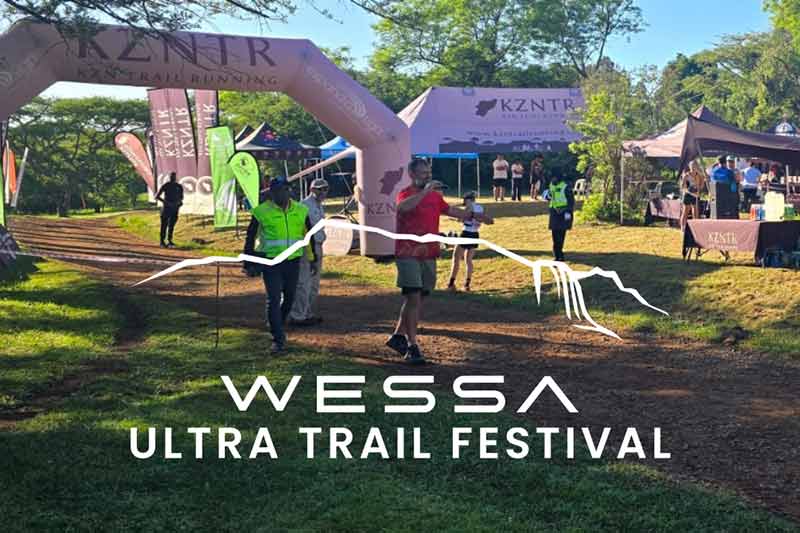
The inaugural WESSA Ultra Trail Festival brought trail runners, families and the wider community together at uMngeni Valley Nature Reserve on Saturday, 24 October, as part of WESSA’s centenary celebrations.

With 340 paid entrants taking on distances from 6km to 50km, the festival delivered a strong day of trail running while highlighting the connection between outdoor recreation, conservation and environmental education.

The turnout exceeded the event’s initial target of 250 runners, with the championship connection adding a competitive dimension for athletes racing for provincial standings and potential qualification opportunities.


Championship racing makes history in KwaZulu-Natal


The festival marked an important milestone for trail running in the province with the inaugural KZN Trail and Mountain Running Championship, introduced by KwaZulu-Natal Athletics (KZNA).

The championship created a new platform for provincial competition, talent identification and excellence within KwaZulu-Natal’s growing trail-running community.

For athletes with ambitions of representing KwaZulu-Natal and potentially South Africa, the championship also forms part of the pathway towards provincial colours and the national selection process ahead of South Africa hosting the World Mountain and Trail Running Championships in October 2027.

Andrew Booth, lead organiser of the WESSA Ultra Trail Run and KZNA partner, described the awarding of KZN Trail Running colours and medals as a highlight of the event.

“As the first KZN Trail Running Champs, it was a big moment for the sport in the province and all the more meaningful because it formed part of WESSA’s 100-year celebration.”


Celebrating the race winners


Runners competed across five distances, with the following athletes taking the top positions in the women’s and men’s categories:

Race Women Men
50km

1. Kate Birkett

2. Pat Dammann

1. Sithembiso Masango

2. Linda Zondi

3. Mzwakhe Khanyile

36km

1. Taylan Mornet

2. Linda Gathmann

1. Mxolisi Zondi

2. Donovan van Gelder

3. Sphesihle Zimu

19km

1. Jeunesse van Zuydam

2. Kate Arnott

3. Andisiwe Mpongoma

1. Zwile Khumalo

2. Nduduzo Mkhize

3. Bayanda Bayanda

12km

1. Andisa Myeni

2. Michelle Sims

3. Lisa McAllister

1. Buthelezi Snenhlanhla

2. Tsielo Tsanyane

3. Aphelele Ndundwana

6km

1. Courtney Van Wyngaard

2. Samkelisiwe Khuzwayo

3. Ella Dunlop

1. Thabani Mzobe

2. Samkelo Msane

3. Mlungisi Maphumulo


Every entry supports conservation


For WESSA, the festival was about more than competitive trail running. Every paid entry contributed directly to the ongoing care of uMngeni Valley Nature Reserve and its role as a place where people can experience and learn about nature.

Returning runners also noted that the trails and reserve were in noticeably better condition than the previous year, highlighting the importance of continued investment in the reserve and its natural environment.

“The participation of 340 runners in the event directly contributes to the ongoing care of the reserve and its role as a place for people to experience and learn about nature,” says WESSA CEO Cindy-Lee Cloete.

The festival formed part of WESSA’s 100-year celebration, connecting the organisation’s long history of people caring for the Earth with an active celebration of nature, outdoor recreation and community.


A festival beyond the trails


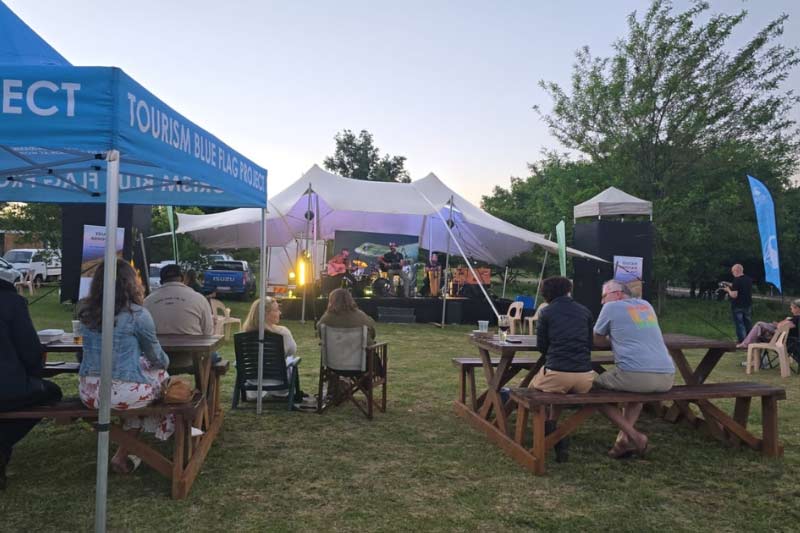
While trail running was at the heart of the event, the WESSA Ultra Trail Festival also brought together music, food, family entertainment and community activities.

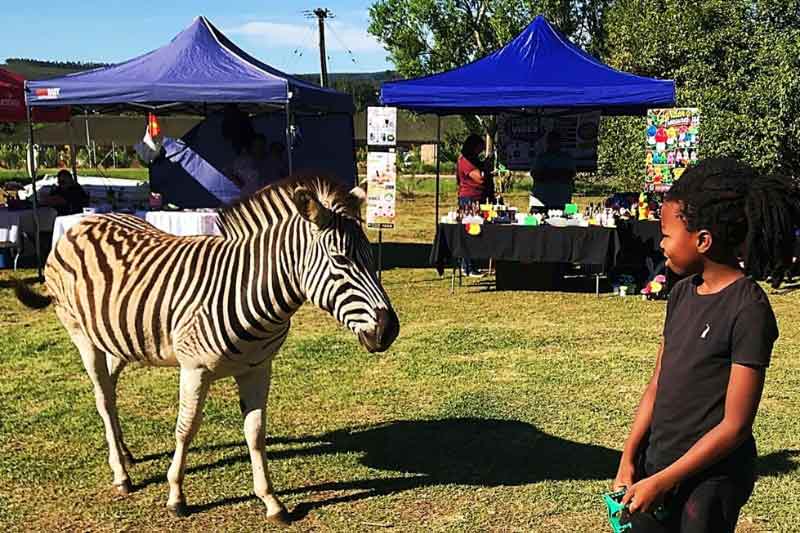
One unexpected highlight for festival-goers was a new zebra on site, which could be spotted wandering among guests at the reserve and through the market area. Its presence offered visitors a memorable reminder that the festival was taking place within a living natural environment, where people and wildlife share the space.


The music programme featured Jason Hartman, Scott and Sam Hartman, alongside local artists Blackbird, Undivided Rootz ZA, Rhiannon & Vince Reid and Skippy Kubheka. The Jabula Combined School and Underberg School’s United We Sing choirs also performed, helping create a celebratory atmosphere that extended beyond the race routes.


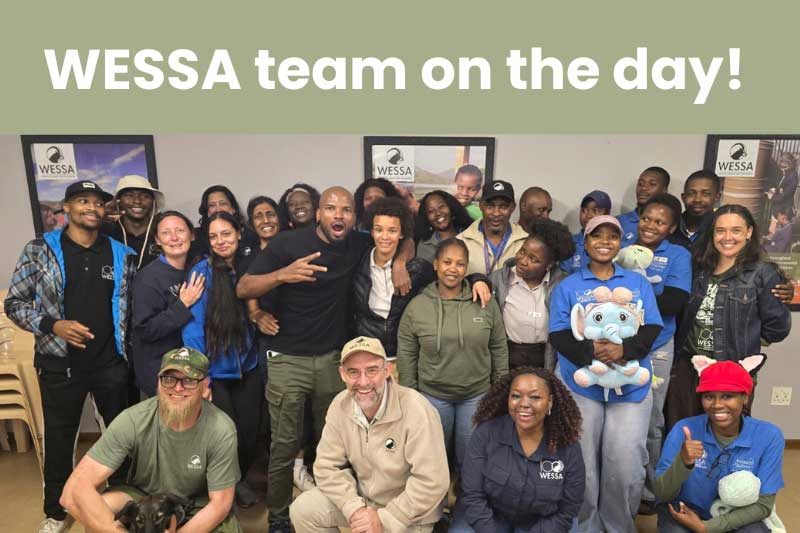
The event was supported by a network of sponsors, local businesses, partners, volunteers and community members.


Contributions included water from Aquellé, boerewors from Howick Meat Centre for race marshals, bins from Karkloof Country Club, and support from uMngeni Local Municipality with parking marshals and cleaners. Participants in the Cricket South Africa Green Wickets programme also volunteered as race marshals.

A range of local businesses and organisations contributed prizes, while Alison Humphries Engelbrecht and her team of Ezemvelo Honorary Officers provided additional support and donated their time.


For WESSA, the inaugural festival demonstrated how outdoor recreation can create meaningful connections between people and nature while contributing to conservation.

“The intention of this festival was to connect our 100-year history of people caring for the Earth with an active celebration of nature, outdoor recreation and community, and with the support of our partners, we aim to host it annually,” says Cloete.


WESSA joins a two-day Indigenous Knowledge Systems conference and practical field workshop in KwaZulu-Natal

WESSA joins a two-day Indigenous Knowledge Systems conference and practical field workshop in KwaZulu-Natal

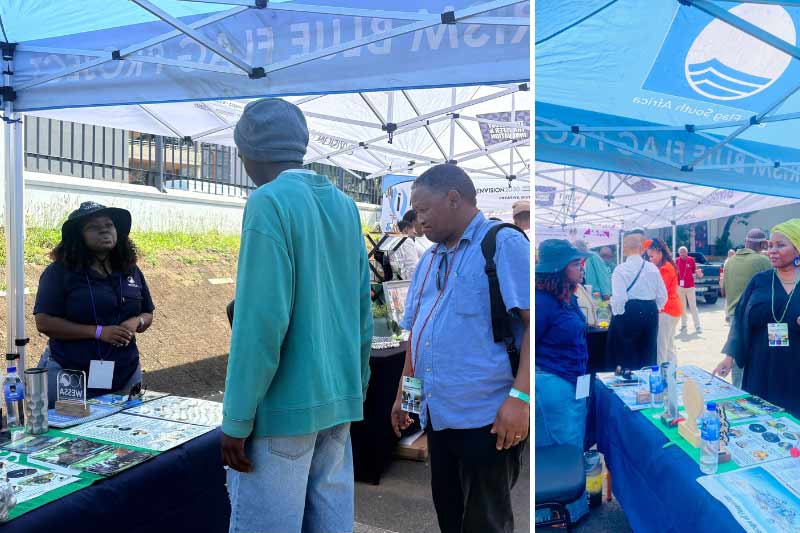
Pictured above: WESSA joined other conservation organisations, researchers, students and indigenous knowledge holders at the DUT campus for a day of knowledge sharing and dialogue.

What happens when generations of traditional ecological knowledge meet academic research and conservation practice?

This question was at the heart of a two-day conference and practical workshop on Indigenous Knowledge Systems (IKS), held on 22 and 23 October 2026 and hosted by the Durban University of Technology (DUT).

WESSA was invited to participate in the event, which focused on the identification, conservation and sustainable use of indigenous medicinal and herbicidal trees and plants. The programme brought together indigenous knowledge holders, traditional healers, academic researchers, students and environmental stakeholders to explore how traditional knowledge can contribute to biodiversity conservation and environmental management.

The two-day programme moved from the university campus into the landscape itself, creating an opportunity not only to talk about indigenous knowledge but also to learn directly from the people and places where that knowledge lives.


Bringing different forms of knowledge together


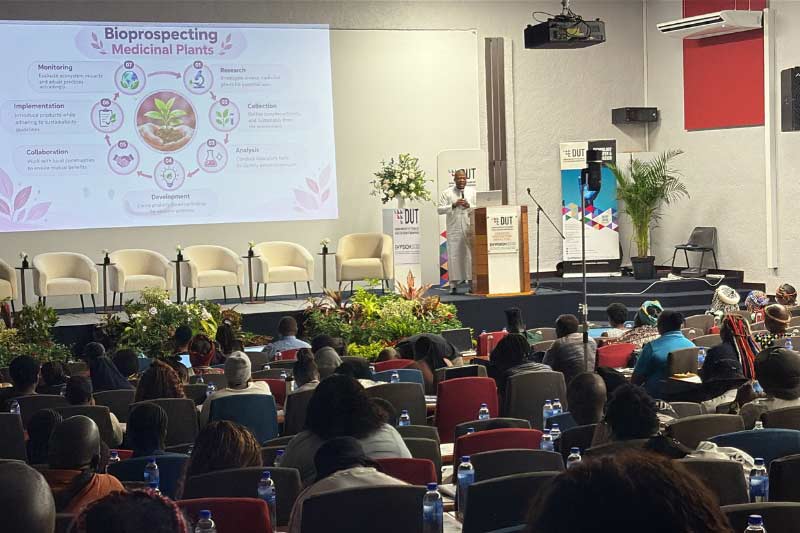
The first day of the programme took place at the DUT campus, where exhibitions and presentations created a space for dialogue between scientists, students and indigenous knowledge holders.

WESSA participated as an exhibitor, showcasing its work in environmental education, biodiversity conservation and community-based natural resource management.

The exhibition provided an opportunity to connect with participants and share perspectives on the importance of indigenous plants and the role that communities can play in protecting and managing natural resources.


Pictured above: The conference brought together researchers, students, indigenous knowledge holders and environmental stakeholders to explore the relationship between Indigenous Knowledge Systems and conservation.

Across the conference, a central message emerged: indigenous knowledge is not simply something to be documented or studied. It is a living body of knowledge, passed between generations and rooted in people’s relationships with their environment.

Recognising this knowledge also means recognising the people who hold it.


Recognising the custodians of biodiversity


For generations, traditional healers and rural communities have carried detailed knowledge of indigenous plants, their uses and the environments in which they grow. Yet this knowledge has often existed outside formal scientific and academic platforms. The conference created space to change that.

By bringing traditional healers and knowledge holders into conversation with academic researchers and environmental practitioners, the event helped demonstrate the value of working with communities rather than simply conducting research about them.

It also highlighted the importance of ensuring that indigenous knowledge is respected, preserved and appropriately integrated into education, research and conservation strategies.

This approach has implications beyond knowledge sharing. It can support environmental justice by recognising communities as custodians of biodiversity, while creating opportunities for collaborative research, ethical bioprospecting and conservation approaches that are both culturally appropriate and ecologically sustainable.

It also raises important questions around the protection of indigenous plants from over-exploitation, as well as intellectual property and the rights of the communities whose knowledge makes research possible.


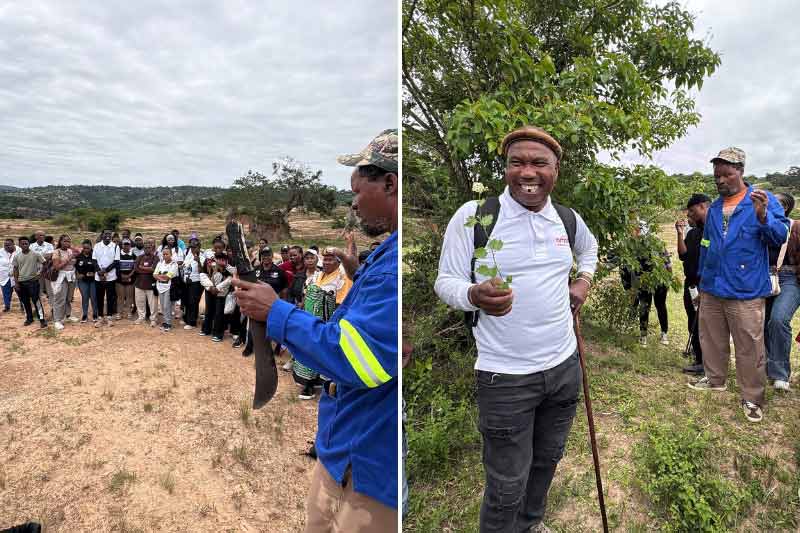
On the second day, the conference moved from the university campus into eNanda, an area rich in indigenous botanical resources and traditional knowledge.


Pictured above: Participants experienced a more immersive form of learning. Local traditional healers and elders guided the group through the identification of indigenous trees, sharing knowledge about their medicinal properties, sustainable harvesting methods and the cultural protocols associated with their use.

Rather than learning only through presentations or written material, participants were able to engage directly with knowledge holders in their natural environment.

The experience demonstrated how much can be learned when scientific and traditional knowledge systems are brought together in the places where biodiversity and community knowledge intersect.

The field session also offered a reminder that conservation is about more than protecting individual species.

It is about understanding the relationships between people, plants, landscapes and culture.

  • For the research community, engaging directly with knowledge holders provides access to lived knowledge that cannot be found in textbooks.
  • For conservation practitioners, it creates opportunities to explore approaches that are grounded in local realities and cultural understanding.
  • For communities, it creates a platform to have their expertise recognised and their voices included in conversations about biodiversity, sustainable development and environmental management.

For WESSA, participation in conversations such as these reflects the importance of placing people and communities at the heart of environmental conservation.

Indigenous knowledge has an important role to play in understanding and protecting biodiversity. By creating opportunities for traditional knowledge holders, researchers, students and conservation organisations to learn from one another, we can begin to build conservation approaches that are more inclusive, locally relevant and sustainable.

The experience in eNanda reinforced an important principle: some knowledge cannot simply be transferred from one person to another through a textbook or presentation. Sometimes, it needs to be shared on the land, by the people who know it best.

As South Africa continues to explore ways of protecting its biodiversity while supporting sustainable and inclusive development, ensuring that indigenous knowledge holders are part of the conversation will remain essential.

WESSA looks forward to continuing to support opportunities that connect people, knowledge and nature, and that recognise the value of learning from both scientific research and the communities who have long been custodians of the natural environment.

To volunteer your expertise and time towards our advocacy work – or seek advice with dealing with a local, regional or national environmental governance issue – please contact your WESSA regional representative or contact the Advocacy, Governance & Membership Manager: morgan.griffiths@wessa.co.za. Tel:
 031 2013126.