WESSA announces 2026 Young Reporters for the Environment national winners

WESSA announces 2026 Young Reporters for the Environment national winners

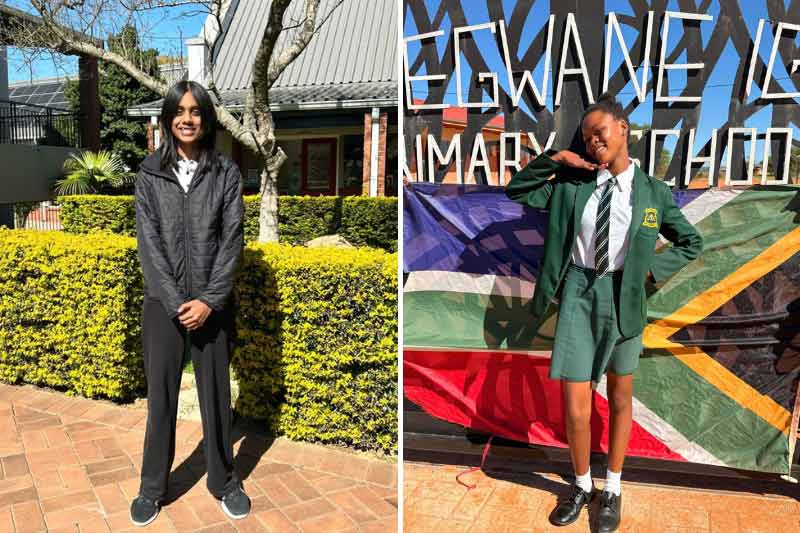
Pictured above: (left) Alyssa Govenden (12yrs) Crawford International Lonehill in Gauteng, and (right) Palesa Mosegedi (13yrs) Segwaneng Primary School in the Northern Cape.

WESSA is proud to announce the national winners of the 2026 Young Reporters for the Environment (YRE) Competition, celebrating two young South African storytellers who used journalism, photography and audio storytelling to explore this year’s international theme: Food Security and Climate Change.

This year’s winning entries highlight how young people are making the connection between food security, climate action, responsible consumption and community resilience — and how powerful storytelling can inspire practical action in schools and communities.

Meet the 2026 national winners

Podcast Category Winner: Alyssa Govenden

Alyssa Govenden, aged 12, from Crawford International Lonehill in Gauteng, was named the national winner in the podcast category for her entry, Wasting Food Ruins the Mood.

Alyssa’s winning podcast places the issue of food waste at the centre of the climate and food security conversation. Through her audio story, she encourages listeners to think more carefully about the value of food, the effort that goes into producing it, and the impact of throwing food away while many people in South Africa experience hunger.

Her podcast also highlights how climate change affects crops and food production, while rising food prices make access to meals even more difficult for many households. By focusing on simple actions, such as buying only what we need and sharing extra food where appropriate, Alyssa shows that everyday choices can make a meaningful difference.

As the South African national winner in the podcast category, Alyssa’s entry will represent South Africa in the international YRE competition.

Listen to Alyssa’s winning podcast:

Photography Category Winner: Palesa Mosegedi

Palesa Mosegedi, aged 13, from Segwaneng Primary School in the Northern Cape, was named the national winner in the photography category for her entry, World Food Day celebrated at Segwaneng Primary School.

Her winning photograph captures learners proudly harvesting vegetables from their school food garden. The image stood out for its joy, authenticity and powerful storytelling, highlighting the strong connection between food security, climate action and environmental education.

Through one image, Palesa tells a hopeful story of young people actively participating in sustainable food production within their school community. Her photograph shows how school gardens can become spaces of learning, nutrition, resilience and empowerment.

As the South African national winner in the photography category, Palesa’s entry will also represent South Africa in the international YRE competition.
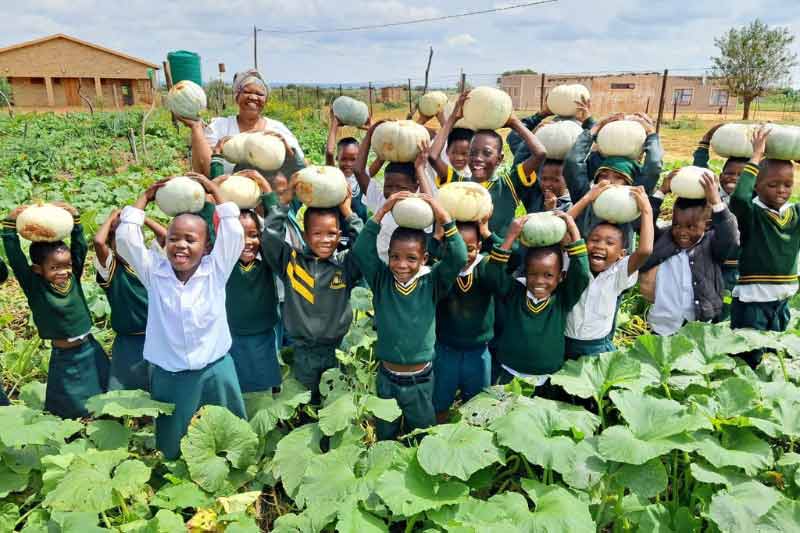
Pictured above: World Food Day celebrated at Segwaneng Primary School by Palesa Mosegedi

Why these entries stood out

The winning entries responded strongly to the theme of Food Security and Climate Change, showing how young people can observe environmental issues in their own communities and communicate them in ways that are practical, relatable and solutions focused.

“This year’s winning entries beautifully reflect the heart of the YRE programme: young people using journalism to investigate real environmental issues and inspire practical action. Through a podcast on food waste and a photograph capturing learners harvesting from a school garden, these young reporters have shown that food security and climate action are not distant issues. They are part of everyday life in our schools and communities,” shares Nomfundo Ndlovu, Schools & Youth Senior Programme Manager, WESSA.

Building skills for the future

Through their involvement in YRE, young reporters develop life-long skills including critical thinking, data analysis, teamwork, social responsibility, leadership, writing, editing, videography and photography.

The programme also exposes young people to possible career pathways in environmental law, research, videography, investigative journalism, social justice and related fields.

WESSA congratulates Alyssa Govenden and Palesa Mosegedi on their outstanding national entries and wishes them well as they represent South Africa in the international Young Reporters for the Environment competition.

About Young Reporters for the Environment

The YRE programme gives young people aged 11–25 a platform to investigate local environmental and social issues and report on them in a professional, solutions-focused way. Through articles, photography, video and podcasts, young reporters are encouraged to research, interview, observe and communicate the issues shaping their communities.

At its core, YRE is about more than competition. It is about giving young people the tools, confidence and platform to tell stories that matter.
Click here to read more about the YRE programme

Young Reporters for the Environment (YRE) X Durban Scouts

Young Reporters for the Environment (YRE) X Durban Scouts

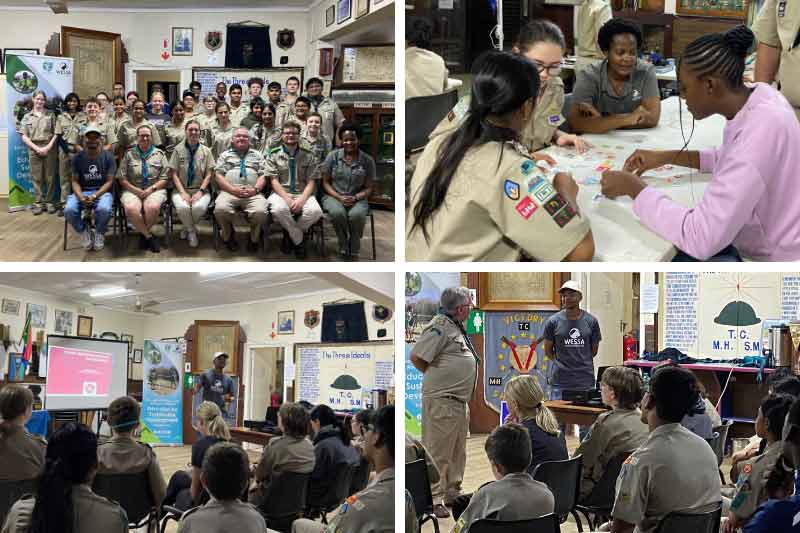
Late November 2025, the Durban Scouts hosted a Young Reporters for the Environment (YRE) workshop at the Malvern Scout Hall. The session was facilitated by the WESSA and focused on equipping young scouts with practical skills to investigate, document and report on environmental issues affecting their communities.

Building reporting skills for environmental action

The programme introduced participants to the Young Reporters for the Environment methodology, which guides young people through identifying local environmental challenges, conducting research, and communicating findings through articles, photography or video. Structured activities and group discussions enabled scouts to develop story ideas related to local biodiversity and waste management.

The workshop concluded with participants expressing interest in submitting entries to the national YRE competition. The Durban Scouts will now begin preparing their submissions, contributing youth-led perspectives to environmental reporting and awareness efforts in South Africa.

Regional scouting leaders support environmental learning

The workshop was attended by key representatives from the KwaZulu-Natal Scouts leadership, reinforcing the role of environmental stewardship within Scouting programmes. Special guests included KZN Scouts Regional Commissioner Mr Greg Southey, Regional Training Chair Mr Lynton Cloete, Group Scout Leader Mr Guy Caw, and Assistant Troop Leader Ms Jenny Powell.

All were actively involved in the session and supported the engagement with participating scouts.

Young environmental reporters raise their voices

Young environmental reporters raise their voices

Young people across South Africa are being empowered to investigate, document, and communicate environmental issues in their communities.

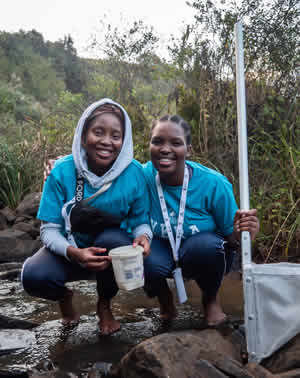
Through the ‘Youth Environmental Reporters and Advocates’ (YERA) programme, led by UNICEF South Africa and WESSA (Wildlife and Environment Society of South Africa), in collaboration with the Department of Basic Education, we aim to build learners’ climate literacy and environmental knowledge, and enhance communication and reporting capacities on the local issues that matter to them.

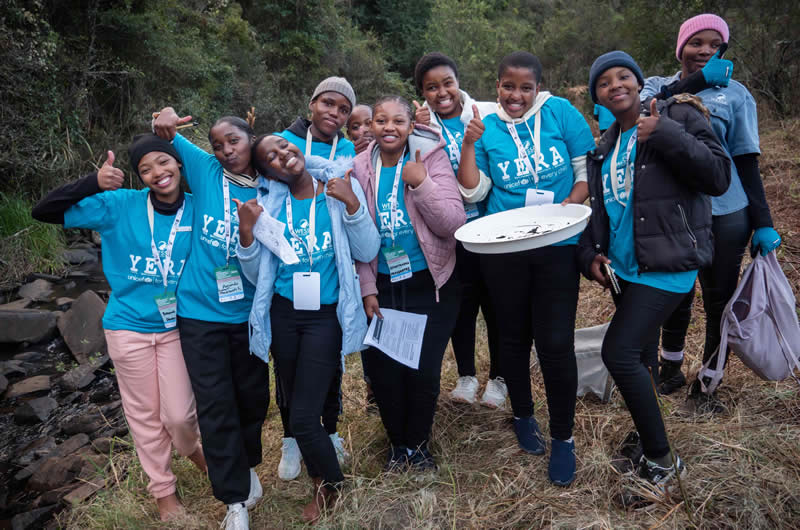
“I am excited to learn how to raise my voice to create more awareness about the pressing environmental issues in our school and community,” said Saron Gidiso, a grade 10 learner at Marklands Secondary in Chatsworth. Another grade 10 learner, Imithle Mkhize, from Glenhaven Secondary in Tongaat stressed the importance of taking action now so that authorities could address the issues of water shortages, pollution and littering to create a more pleasant environment.
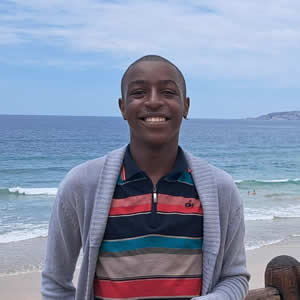
“If we don’t speak about it as the youth, then who will?” she said. “These are things that affect us in our daily lives. We see it. We might turn our heads when we see a piece of paper and ignore it, but it affects us in the long run.”

Over the next eight months, the YERA programme will be implemented across four provinces – KwaZulu-Natal, Western Cape, Northern Cape, and Eastern Cape. It will target 40 schools (ten in each province), empowering 400 young reporters.

“The YERA programme embodies our commitment to environmental and social justice,” said Cindy Cloete, WESSA CEO. “By empowering young people, we are shaping a new generation of environmental champions who will lead the fight against climate change and advocate for sustainable solutions. We are thrilled to partner with UNICEF on this critical initiative and look forward to its transformative impact.”

Young people’s voices, particularly girls, often remain stifled, disconnected, and under-supported in the vital call for urgent action against the climate crisis and other environmental challenges they face. The ‘Climate, Energy, and Environment Landscape Analysis for Children in South Africa’, released by UNICEF South Africa in late 2023, reiterated the importance of increasing the visibility of children and young people in the climate and environment agenda to ensure policies and actions that respond to their specific needs.

“Empowering learners and young people, particularly girls, through education and nurturing their skills will build on their local knowledge to help raise their voices and strengthen action on local climate and environmental challenges,” said Christine Muhigana, UNICEF South Africa Representative.

“Young people are exposed to climate and environmental challenges today, they are best placed to tell that story and we need to respond to their needs by directly influencing climate policies and related community level adaption efforts,” added Muhigana.

Through a series of training, the programme will educate participants in investigative journalism, environmental science, and advocacy skills to enable young reporters to be champions of the environment. The workshops will utilise WESSA’s ‘Young Reporters for the Environment’ (YRE) methodology, with one of the key outputs being journalistic works produced by each participating school for distribution across a range of online and media platforms.

By working together, we can all ensure that youth in South Africa, especially girls, are equipped with the knowledge, skills, and platforms needed to raise awareness, influence policy, advocate for the environment, and take meaningful action.

“This programme is an important step forward in further nurturing environmental awareness among learners in South Africa and we hope the programme can be expanded in the coming months and years to benefit more South African schools,” said the KZN Department of Basic Education acting Chief Education Specialist, Lazi Mtwa.

The programme is made possible thanks to generous funding through the UNICEF Canada National Committee.

Watch the launch of the new programme.

For more information about the YERA programme and how you can get involved, contact Nomfundo Ndlovu at nomfundo.ndlovu@wessa.co.za

Winning Young Reporters for the Environment

Winning Young Reporters for the Environment

The Young Reporters for the Environment (YRE) programme empowers youth to investigate and report on environmental issues affecting their communities and the world. Through various mediums such as articles, videos, and photography, candidates explored topics ranging from biodiversity conservation to climate change mitigation.

We are delighted to announce the winners of the 2024 National Young Reporters for the Environment (YRE) Competition. After reviewing numerous exceptional submissions from talented young individuals around the country, our panel of judges has selected the top entries in each category: Video, Article, and Photography.

Nonjiwe DumisaVideo Category Winner: Nonjiwu Dumisa
Age: 17-years old
School: Zwelethemba High School

Title: How does fire affect people, fynbos, and the greater environment and what is its impact on climate change?

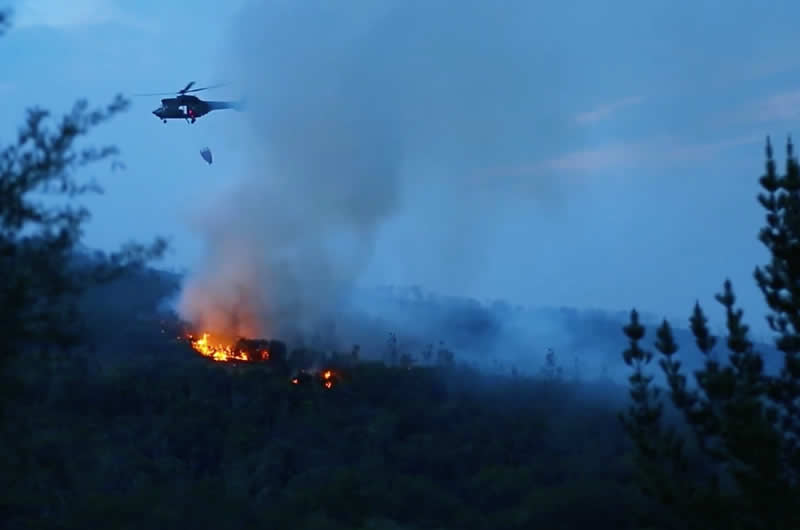
Nonjiwu’s compelling video focused on the dual nature of fire and its impact on ecosystems, particularly fynbos, a unique type of vegetation native to South Africa. His project explored how fire is an essential ecological process that can pose severe threats if not managed properly. By highlighting the critical balance needed to protect and maintain biodiversity, Nonjiwu’s video brings a vital perspective on the role of fire in ecological sustainability and the challenges posed by climate change.

Click here to see Nonjiwu Dumisa’s submission


Deeya KalianArticle Category Winner: Deeya Kalian
Age: 12 years
School: Trinityhouse Glenvista

Title: The Dirty Truth: Confronting the silent epidemic of illegal dumping.
Deeya Kalian was selected as the winner in the Article category for her exceptional investigative work on the issue of illegal dumping in South Africa’s diverse landscapes, highlighting its emergence as a critical environmental threat in Johannesburg. Deeya’s article sheds light on how illegal dumping not only spoils natural beauty but also poses significant health risks and complicates community efforts toward sustainability. Her compelling narrative calls for urgent action and accountability to tackle one of Johannesburg’s biggest environmental challenges.

Click here to read Deeya Kalian’s submission


Phoebe SteynPhotography Category Winner: Phoebe Steyn
Age: 17
School: Hoerskool Zwartkop

Title: Suffocating Existence
Phoebe Steyn is our winner in the Photography category, with her evocative photograph titled “Suffocating Existence, Suffocating Life.” These powerful images feature a small, resilient green plant thriving in a harsh, ostensibly suffocating environment, symbolising hope and the potential for life under adverse conditions. Phoebe’s work beautifully captures the essence of persistence and adaptability in nature, reminding us of the resilience required to confront environmental challenges.

Click here to read Phoebe Steyn’s submission


We applaud Dumisa, Deeya, and Phoebe for their outstanding contributions to environmental journalism. Each winner has showcased exceptional talent and demonstrated a commitment to promoting greater environmental awareness and action through their talents.

The YRE Competition aims to empower young people to take a stand on environmental issues they are passionate about, and these winners have exemplified just that. Their work has been published and also entered into the YRE International Competition, where they will compete on a global stage with other top entries from around the world.