Environmental Impact Assessment
| Course type | Training duration and mode | Outcomes |
|---|---|---|
| WESSA certified | 5 days (online) |
|
| Course type | Training duration and mode | Outcomes |
|---|---|---|
| WESSA certified | 5 days (online) |
|
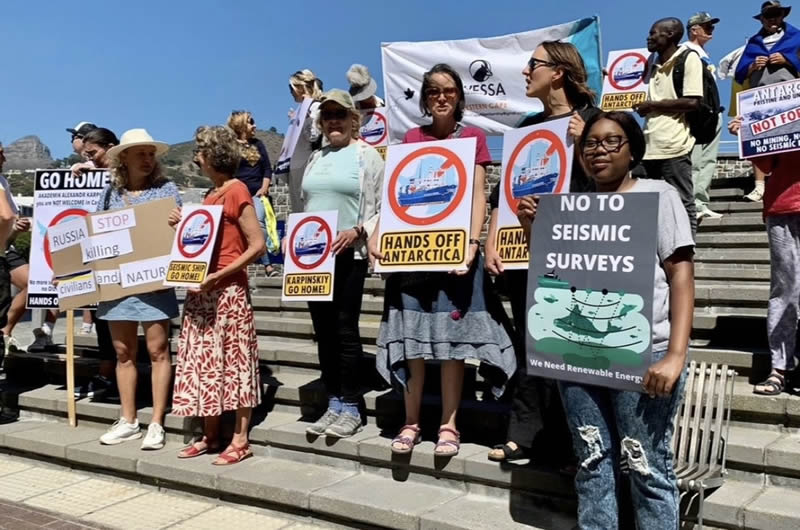
WESSA’s origins nearly one hundred years ago were grounded in advocating for dedicated conservation areas such as the Kruger National Park and other parks that now play a critical role in conserving and protecting our natural heritage and rich biodiversity. From the beginning we have tried to use our vision, expertise, experience, and passion to leverage citizens and decision-makers into finding lasting collaborative solutions as to how humans live on the planet. Thus, our motto: people caring for the Earth.
A century later, we find ourselves in a world threatened by climate change, biodiversity loss and pollution in which humans have removed themselves from nature and sought to exploit our natural resources to support consumer lifestyles. The Earth has limits, and we have crossed several of those boundaries already that now have dire impacts on our ecosystem and the Earth our children will inherit.
In the face of these challenges, and in recognition of South Africa’s rich terrestrial and marine resources, WESSA’s strategic focus has centred on three core activities: educate, advocate, and act. In turn we have committed ourselves to and are guided by the principles of sustainable (ecosystem) development; natural justice and a just transition; and collective sustainability. Specifically on the advocacy front we have sought to be both proactive and reactive, and work at both a local and national basis.
To this end, our local membership regions and branches have become actively involved in local issues which has ranged from participating in campaigns against oil and gas extraction in the ocean (like the Shell and CGG anti-seismic campaigns), taking up sewage and pollution issues in local rivers and catchments, and inputting into various environmental impact assessments amongst others. We try use our local knowledge, access to membership’s (scientific) expertise, and a collaborative all-of-society approach to leverage positive change.
At a national level, we have focused on raising our “voice” on environmental matters and taken a stronger public stance on issues. Consequently, we have given detailed input into government policy on aspects such as plastic waste, nuclear energy, and the biodiversity “economy;” and collaborating with other environmental NGO’s and the DFFE on initiatives such as the 30 x 30 commitment (30% of our marine and terrestrial habitats restored and protected by 2030). We are also working to establish a raft of policy positions on various aspects such as mining, energy, sustainable use, water catchments, pollution and the like to create a principled and strategic platform from which to engage on daily issues.
Within the operational side of WESSA, this has also resulted in dedicated resources to support advocacy work, the re-aligning of our blue flag beach oversight to be more advocacy orientated, and the creation of a species project focus on Pangolins. As such, advocacy is joint endeavour of central staff, membership, and the Board’s Environmental Governance Committee (EGC), which gives us an especially useful range of resources and interest.
While our planet and country’s ecosystems are in a critical state, we are blessed with a rich biodiversity in South Africa’s land and seas, and our advocacy work will continue to seek collaborative and sustainable solutions to protecting, building resilience, and being part of the nature upon which we are dependent.
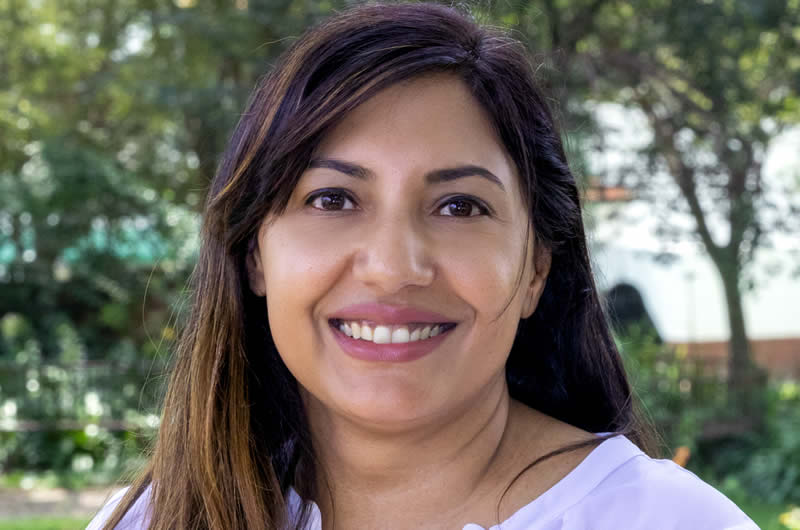
We are incredibly proud to announce that Aziezah Essop of St Andrew’s School for Girls in Bedfordview, Johannesburg, was honoured with the prestigious Foundation of Environmental Education Global Teacher Award!
Aziezah is the only teacher from South Africa among 17 global winners and 46 shortlisted teachers from 16 countries. During her presentation, she highlighted their whole-school approach to embedding environmental stewardship and climate consciousness into their school curriculum and daily lives.
WESSA has worked closely with Aziezah over the years, and we salute her passion for actively driving environmental awareness and sustainability at her school. Through this award, FEE aims to recognise the efforts of outstanding teachers from the global network who promote and integrate Education for Sustainable Development (ESD) in their schools and communities. This award celebrates professional excellence, outstanding achievements, and spreads inspirational stories.
Congratulations, Aziezah, for this well-deserved recognition!
The Young Reporters for the Environment (YRE) programme empowers youth to investigate and report on environmental issues affecting their communities and the world. Through various mediums such as articles, videos, and photography, candidates explored topics ranging from biodiversity conservation to climate change mitigation.
We are delighted to announce the winners of the 2024 National Young Reporters for the Environment (YRE) Competition. After reviewing numerous exceptional submissions from talented young individuals around the country, our panel of judges has selected the top entries in each category: Video, Article, and Photography.
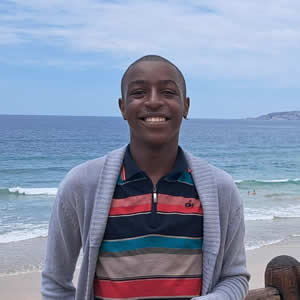 Video Category Winner: Nonjiwu Dumisa
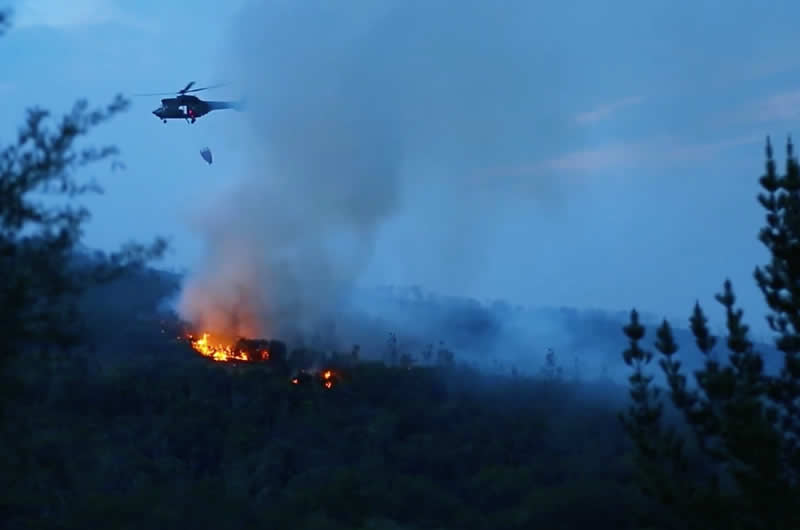
Title: How does fire affect people, fynbos, and the greater environment and what is its impact on climate change?
Nonjiwu’s compelling video focused on the dual nature of fire and its impact on ecosystems, particularly fynbos, a unique type of vegetation native to South Africa. His project explored how fire is an essential ecological process that can pose severe threats if not managed properly. By highlighting the critical balance needed to protect and maintain biodiversity, Nonjiwu’s video brings a vital perspective on the role of fire in ecological sustainability and the challenges posed by climate change.
Click here to see Nonjiwu Dumisa’s submission
 Article Category Winner: Deeya Kalian
Title: The Dirty Truth: Confronting the silent epidemic of illegal dumping.
Deeya Kalian was selected as the winner in the Article category for her exceptional investigative work on the issue of illegal dumping in South Africa’s diverse landscapes, highlighting its emergence as a critical environmental threat in Johannesburg. Deeya’s article sheds light on how illegal dumping not only spoils natural beauty but also poses significant health risks and complicates community efforts toward sustainability. Her compelling narrative calls for urgent action and accountability to tackle one of Johannesburg’s biggest environmental challenges.
Click here to read Deeya Kalian’s submission
 Photography Category Winner: Phoebe Steyn
Title: Suffocating Existence
Phoebe Steyn is our winner in the Photography category, with her evocative photograph titled “Suffocating Existence, Suffocating Life.” These powerful images feature a small, resilient green plant thriving in a harsh, ostensibly suffocating environment, symbolising hope and the potential for life under adverse conditions. Phoebe’s work beautifully captures the essence of persistence and adaptability in nature, reminding us of the resilience required to confront environmental challenges.
Click here to read Phoebe Steyn’s submission
We applaud Dumisa, Deeya, and Phoebe for their outstanding contributions to environmental journalism. Each winner has showcased exceptional talent and demonstrated a commitment to promoting greater environmental awareness and action through their talents.
The YRE Competition aims to empower young people to take a stand on environmental issues they are passionate about, and these winners have exemplified just that. Their work has been published and also entered into the YRE International Competition, where they will compete on a global stage with other top entries from around the world.
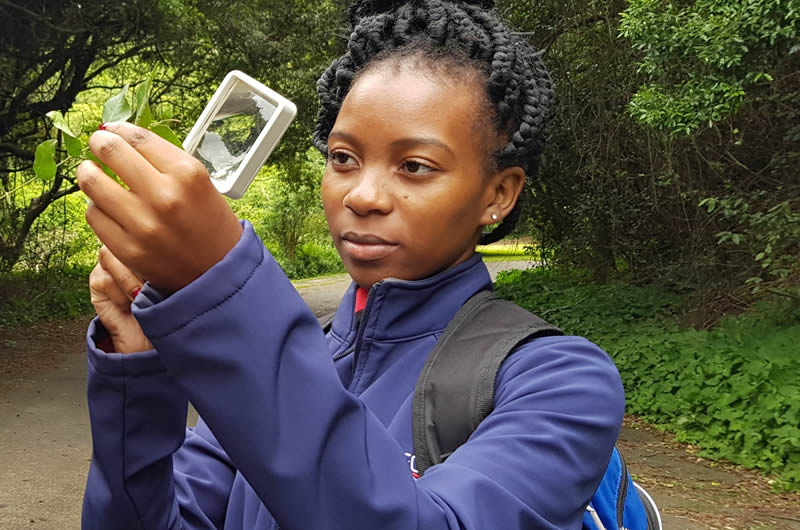
It all began with a Climate Change protest back in October 2019. Siziwe Hlongwa, then a student at the University of KwaZulu-Natal studying Environmental Sciences, found herself drawn to a workshop in Durban, eager to make a difference.
“I was driven by a desire to find a green organisation that would intensify my passion for the environment,” Siziwe recalls. Her journey towards environmental advocacy was sparked during a soil study excursion a month prior, where she felt a connection with nature, reshaping her mindset entirely.
Amidst the multitude of green organisations present at the protest, WESSA (Wildlife and Environment Society of South Africa) stood out for Siziwe. Recognising the opportunity to grow and gain experience, she eagerly joined as a volunteer, setting the stage for a life-changing journey. Under the guidance of WESSA’s leadership and mentorship from Margaret Burger, chair of the KwaZulu- Natal region, Siziwe’s growth in the environmental field flourished.
In 2020, a forest-guided walk as a WESSA youth member opened doors to networking opportunities, leading Siziwe to become an Education Guide at the Durban Botanic Gardens.
This experience paved the way for a one-year programme at the Durban Natural Science Museum in Environmental Education in 2022. The highlight of Siziwe’s journey came in 2022 when she secured an internship with WESSA Groen Sebenza, working as an environmental education intern at the uMbogavango Nature Reserve in Amanzimtoti.
The privilege of extending the internship under WESSA membership as an education officer demonstrated Siziwe’s dedication and passion for conservation. Remaining an integral part of WESSA as both an intern and a youth member, her commitment to environmental sustainability only deepened. Her participation in the Environmental Education Association of South Africa (EEASA) conference in September 2023 further strengthened her commitment to pursue Education for Sustainability to contribute to the preservation of the earth’s vitality and diversity.
Siziwe’s journey with WESSA is one of many filled with purpose and dedication, inspiring others to join the movement and take action in environmental initiatives.
“I’ve learned that every step we take towards improving our environment, no matter how small, can make a significant difference. WESSA has been instrumental in shaping my journey, and I hope my story inspires others to take action and be part of the solution.”
Navigating the challenges of high school can be overwhelming, with academic pressures and social dynamics often taking a toll on students’ mental well-being.
According to a recent UNICEF South Africa U-Report survey, 60% of young people reported needing mental health support in the past year. This represents a 15% decrease
from the previous year’s findings. However, the demand for mental health assistance remains unchanged for those aged 15-24, with 70% indicating a need for support. Female
respondents were 5% more likely than males to seek help for their mental wellbeing.
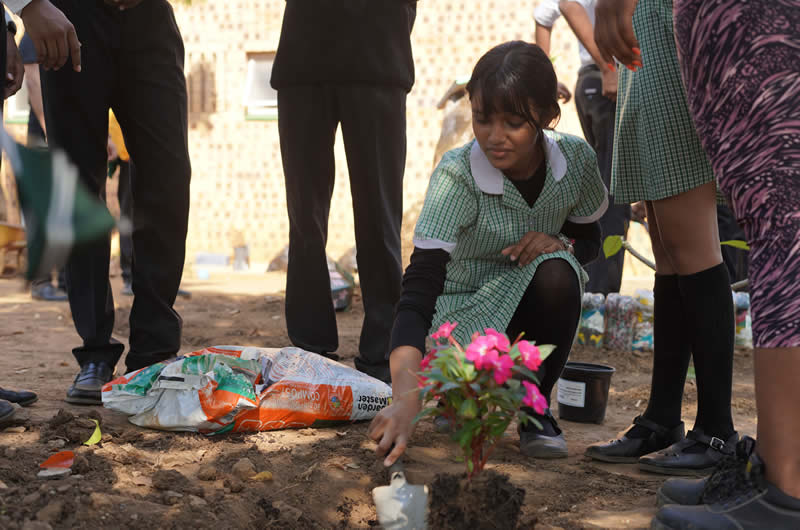
Recognising the importance of emotional resilience, WESSA Eco-Schools with the support of Sun International embarked on a transformative journey at Palmview Secondary School in Phoenix, Durban. The vision was to create a sanctuary where learners and teachers could connect with nature, find solace, and nurture their inner peace. Inspired by the principles of ecotherapy, the Wellness Garden at Palmview Secondary School was born, embodying sustainability at its core. From adopting organic gardening practices to implementing water-saving techniques and utilising reclaimed waste materials, the garden became a living embodiment of environmental stewardship and holistic well-being. It provided a space for learners to unwind, engage in mindfulness practices, and develop practical skills through hands-on activities like composting and planting sessions.
The impact has been profound. Students have embraced the garden as their sanctuary and moments of reflection. Teachers have seamlessly integrated the garden into their curriculum, using it as a dynamic learning environment for lessons on ecology, sustainability, and wellness. Looking ahead, the project aims to expand, incorporating additional features like eco- benches for relaxation and contemplation.
As we reflect on the success of the Wellness Garden, we extend our gratitude to all who contributed to its realisation, empowering students to thrive in both mind and spirit. In a time where mental health challenges among school-going children are on the rise in South Africa, initiatives like the Wellness Garden provide safe spaces for learners.
In 2022, the University of Cape Town’s Children’s Institute published the South African Child Gauge which focused specifically on children’s mental health. The report highlighted that South African children are exposed to extraordinarily high levels of adversity, which increases their risk of developing mental health challenges.
It’s not surprising that more than one in 10 children in South Africa have a diagnosable and treatable mental health disorder. This includes depression; anxiety; post-traumatic stress disorder; conduct, learning, and substance-use disorders; as well as neurodevelopmental disorders such as attention deficit hyperactivity disorder and autism.