WESSA announces 2026 Young Reporters for the Environment national winners
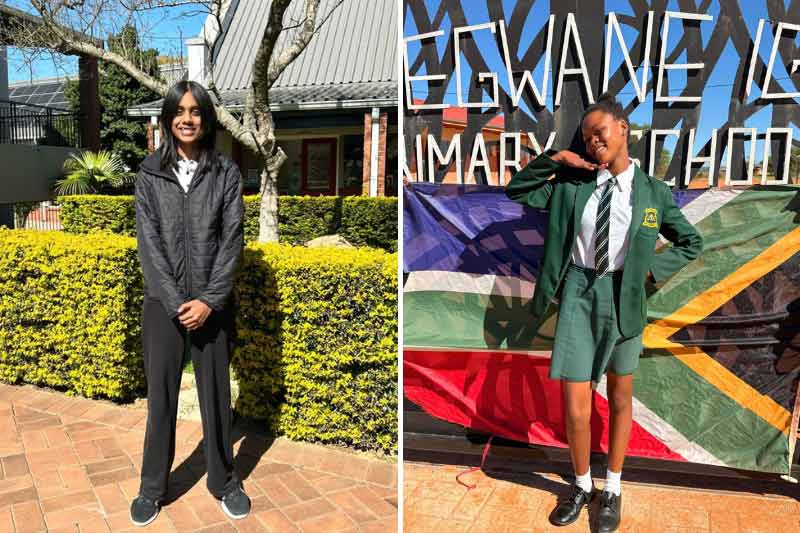
Pictured above: (left) Alyssa Govenden (12yrs) Crawford International Lonehill in Gauteng, and (right) Palesa Mosegedi (13yrs) Segwaneng Primary School in the Northern Cape.
WESSA is proud to announce the national winners of the 2026 Young Reporters for the Environment (YRE) Competition, celebrating two young South African storytellers who used journalism, photography and audio storytelling to explore this year’s international theme: Food Security and Climate Change.
This year’s winning entries highlight how young people are making the connection between food security, climate action, responsible consumption and community resilience — and how powerful storytelling can inspire practical action in schools and communities.
Meet the 2026 national winners
Podcast Category Winner: Alyssa Govenden
Alyssa Govenden, aged 12, from Crawford International Lonehill in Gauteng, was named the national winner in the podcast category for her entry, Wasting Food Ruins the Mood.
Alyssa’s winning podcast places the issue of food waste at the centre of the climate and food security conversation. Through her audio story, she encourages listeners to think more carefully about the value of food, the effort that goes into producing it, and the impact of throwing food away while many people in South Africa experience hunger.
Her podcast also highlights how climate change affects crops and food production, while rising food prices make access to meals even more difficult for many households. By focusing on simple actions, such as buying only what we need and sharing extra food where appropriate, Alyssa shows that everyday choices can make a meaningful difference.
As the South African national winner in the podcast category, Alyssa’s entry will represent South Africa in the international YRE competition.
Listen to Alyssa’s winning podcast:
Photography Category Winner: Palesa Mosegedi
Palesa Mosegedi, aged 13, from Segwaneng Primary School in the Northern Cape, was named the national winner in the photography category for her entry, World Food Day celebrated at Segwaneng Primary School.
Her winning photograph captures learners proudly harvesting vegetables from their school food garden. The image stood out for its joy, authenticity and powerful storytelling, highlighting the strong connection between food security, climate action and environmental education.
Through one image, Palesa tells a hopeful story of young people actively participating in sustainable food production within their school community. Her photograph shows how school gardens can become spaces of learning, nutrition, resilience and empowerment.
As the South African national winner in the photography category, Palesa’s entry will also represent South Africa in the international YRE competition.
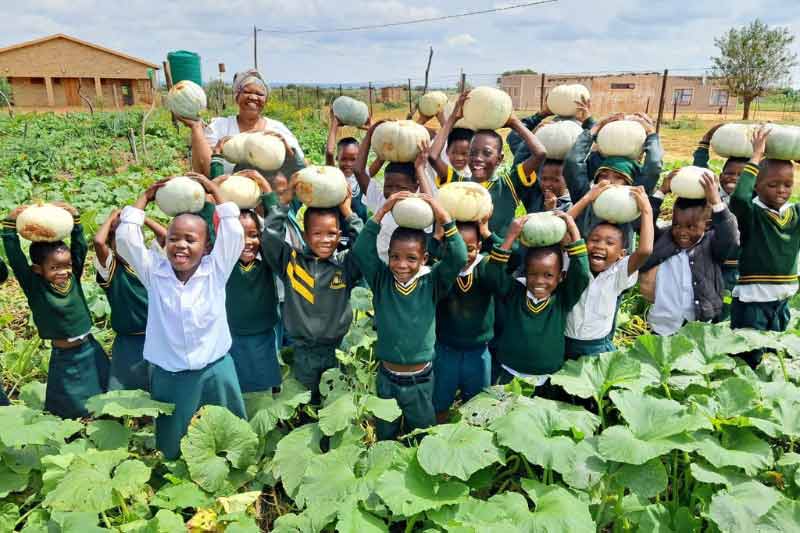
Pictured above: World Food Day celebrated at Segwaneng Primary School by Palesa Mosegedi
Why these entries stood out
The winning entries responded strongly to the theme of Food Security and Climate Change, showing how young people can observe environmental issues in their own communities and communicate them in ways that are practical, relatable and solutions focused.
“This year’s winning entries beautifully reflect the heart of the YRE programme: young people using journalism to investigate real environmental issues and inspire practical action. Through a podcast on food waste and a photograph capturing learners harvesting from a school garden, these young reporters have shown that food security and climate action are not distant issues. They are part of everyday life in our schools and communities,” shares Nomfundo Ndlovu, Schools & Youth Senior Programme Manager, WESSA.
Building skills for the future
Through their involvement in YRE, young reporters develop life-long skills including critical thinking, data analysis, teamwork, social responsibility, leadership, writing, editing, videography and photography.
The programme also exposes young people to possible career pathways in environmental law, research, videography, investigative journalism, social justice and related fields.
WESSA congratulates Alyssa Govenden and Palesa Mosegedi on their outstanding national entries and wishes them well as they represent South Africa in the international Young Reporters for the Environment competition.
About Young Reporters for the Environment
The YRE programme gives young people aged 11–25 a platform to investigate local environmental and social issues and report on them in a professional, solutions-focused way. Through articles, photography, video and podcasts, young reporters are encouraged to research, interview, observe and communicate the issues shaping their communities.
At its core, YRE is about more than competition. It is about giving young people the tools, confidence and platform to tell stories that matter.
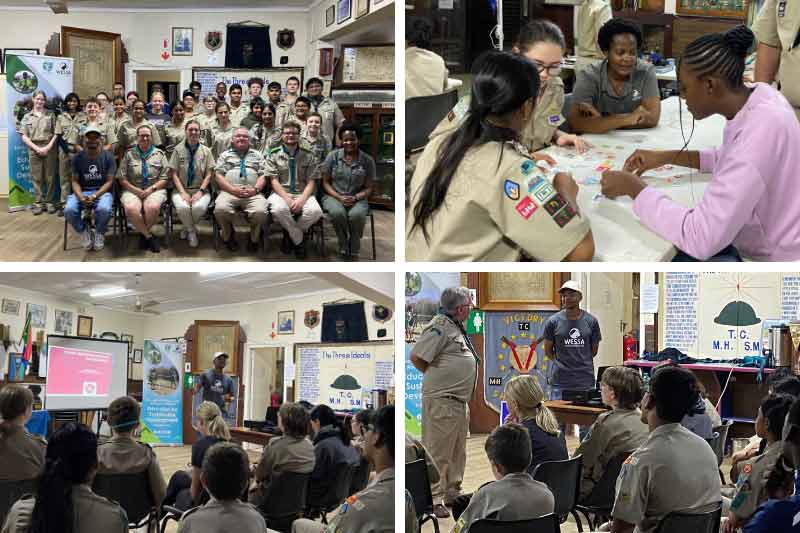
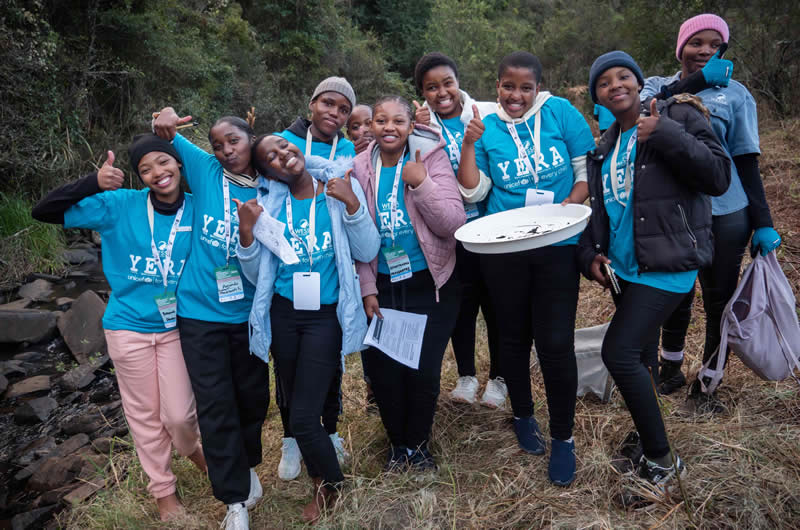
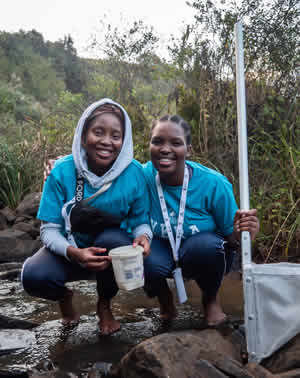 “I am excited to learn how to raise my voice to create more awareness about the pressing environmental issues in our school and community,” said Saron Gidiso, a grade 10 learner at Marklands Secondary in Chatsworth. Another grade 10 learner, Imithle Mkhize, from Glenhaven Secondary in Tongaat stressed the importance of taking action now so that authorities could address the issues of water shortages, pollution and littering to create a more pleasant environment.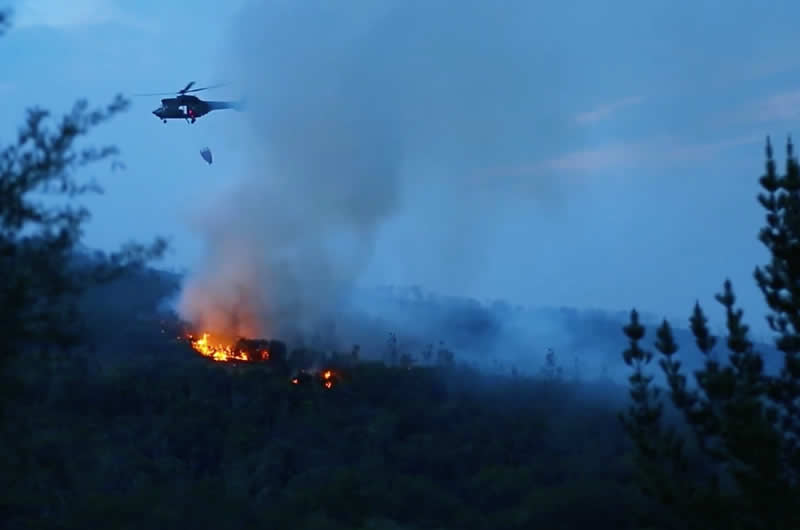
 Video Category Winner: Nonjiwu Dumisa
 Article Category Winner: Deeya Kalian
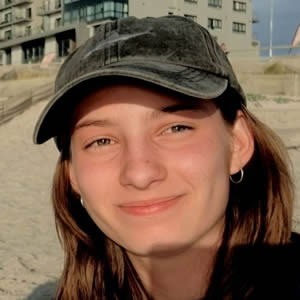 Photography Category Winner: Phoebe Steyn