In a landmark celebration of two decades of environmental education, WESSA proudly hosted the Eco-Schools Awards, honouring the transformative impact of the Eco-Schools programme across the nation.
For the past 20 years, the Eco-Schools initiative has been instrumental in promoting sustainability and conservation practices within schools and communities. WESSA Eco-Schools have taken the lead in environmental education, equipping students, teachers, and local communities with the knowledge and tools to champion environmental stewardship, encouraging a culture of environmental awareness and responsibility.
Over 2,300 schools have registered for the Eco-Schools programme, engaging more than 1.3 million learners and 32,000 teachers in direct and indirect environmental education efforts. These outstanding statistics highlight the significant impact of the Eco-Schools initiative in shaping environmental consciousness of South Africa’s youth.
The recent annual WESSA Eco-Schools Awards ceremonies, held across six regions, serve as a platform to commend schools, teachers, and learners for their exceptional commitment and achievements in promoting environmental stewardship. Through partnerships with organisations such as Sun International, eWASA, Nedbank, and others, WESSA has been able to amplify the reach and impact of the Eco-Schools programme, driving positive change in communities nationwide.
Among the notable recipients of this year’s awards are Epworth School and The Birches Pre-Primary School in KZN, honoured with Emerald awards for their sustained dedication to environmental action over 20 years. Additionally, 40 International Green Flags were awarded nationally, recognizing schools for their outstanding environmental efforts.
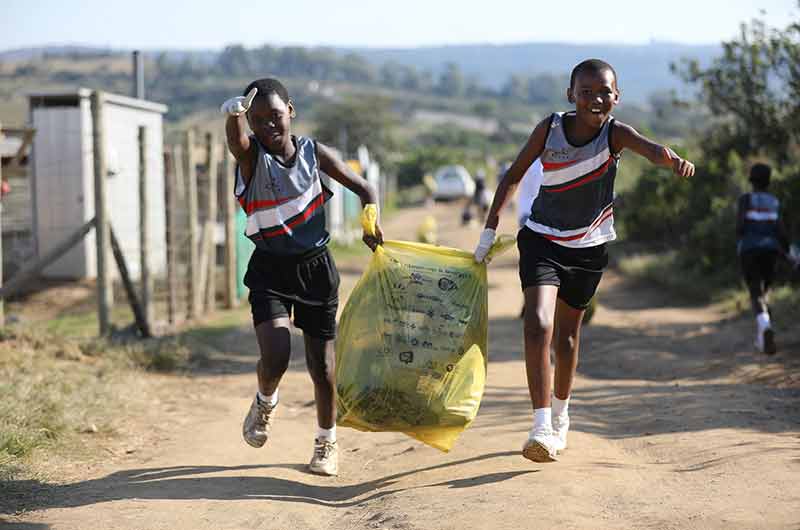
In a shining example of environmental leadership, Kabega Primary School in Gqeberha received a prestigious Diamond award for their decade-long commitment to sustainability. Through initiatives like a comprehensive recycling programme and integrated environmental curriculum, Kabega Primary has emerged as a model of promoting active citizens of environmental stewardship, inspiring change within their school and beyond.
The Department of Basic Education has identified local teacher support as a key objective for achieving educational quality.
Busi Dladla, Director for Curriculum General Education and Training, outlined that by incorporating WESSA Eco-Schools activities into the curriculum, educators provide students with practical experiences that enhance their learning outcomes while nurturing a culture of sustainability.
Dladla’s emphasis on the synergy between Eco-Schools and CAPS curriculum highlights the programme’s significance in shaping holistic education that prepares learners for the challenges of the 21st century. Through project-based learning initiatives, WESSA Eco-Schools empower students to become active participants in their education, encouraging critical thinking, problem-solving skills, and environmental awareness.
Nomfundo Ndlovu, WESSA’s Schools Programme Manager, expressed her pride in the accomplishments of participating schools and the enduring impact of the Eco-Schools programme. “These awards reflect the dedication and passion of our educators and learners towards environmental awareness and action,” she remarked.
For more information about the WESSA Eco-Schools programme and the awards ceremony, please contact Nomfundo Ndlovu at nomfundo.ndlovu@wessa.co.za.
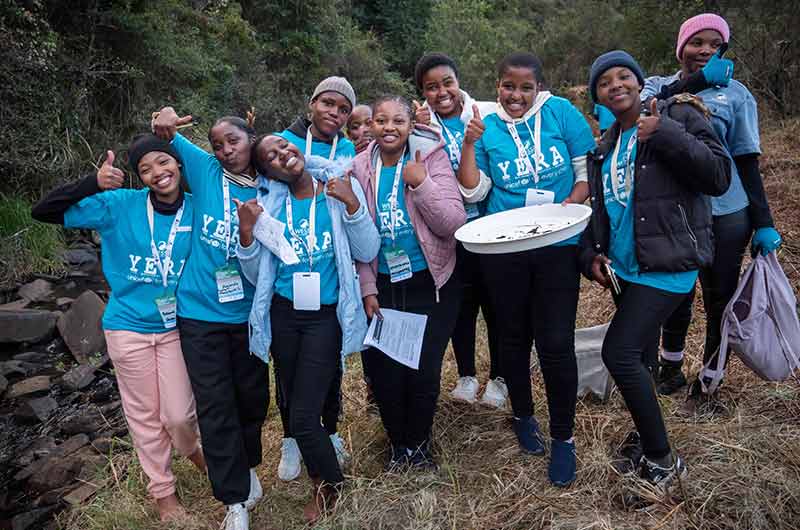
The ‘Youth Environmental Reporters and Advocates’ (YERA) programme, aims to empower a cohort of young people across South Africa to investigate, document, and communicate environmental issues in their communities.
The initiative, led by UNICEF South Africa and WESSA (Wildlife and Environment Society of South Africa), in collaboration with the Department of Basic Education, will build learners climate literacy and environmental knowledge, and enhance communication and reporting capacities on the local issues that matter to them.
“I am excited to learn how to raise my voice to create more awareness about the pressing environmental issues in our school and community,” said Saron Gidiso, a grade 10 learner at Marklands Secondary in Chatsworth. Another grade 10 learner, Imithle Mkhize, from Glenhaven Secondary in Tongaat stressed the importance of taking action now so that authorities could address the issues of water shortages, pollution, and littering to create a more pleasant environment. “If we don’t speak about it as the youth, then who will? These are things that affect us in our daily lives. We see it. We might turn our heads when we see a piece of paper and ignore it, but it affects us in the long run,” she said.
Over the next eight months, the YERA programme will be implemented across four provinces – KwaZulu-Natal, Western Cape, Northern Cape, and Eastern Cape, targeting 40 schools (ten in each province), and empowering 400 young reporters.
“The YERA programme embodies our commitment to environmental and social justice,” said Cindy Cloete, WESSA CEO. “By empowering young people, we are shaping a new generation of environmental champions who will lead the fight against climate change and advocate for sustainable solutions. We are thrilled to partner with UNICEF on this critical initiative and look forward to its transformative impact,” added Cloete.
Young people’s voices, particularly girls, often remain stifled, disconnected, and under-supported in the vital call for urgent action against the climate crisis and other environmental challenges they face. The ‘Climate, Energy, and Environment Landscape Analysis for Children in South Africa’, released by UNICEF South Africa in late 2023, reiterated the importance of increasing the visibility of children and young people in the climate and environment agenda to ensure policies and actions that respond to their specific needs.
“Empowering learners and young people, particularly girls, through education and nurturing their skills will build on their local knowledge to help raise their voices and strengthen action on local climate and environmental challenges,” said Christine Muhigana, UNICEF South Africa Representative.
“Young people are exposed to climate and environmental challenges today, they are best placed to tell that story and we need to respond to their needs by directly influencing climate policies and related community level adaption efforts,” added Muhigana.
Through a series of training, the programme will educate participants in investigative journalism, environmental science, and advocacy skills to enable young reporters to be champions of the environment. The workshops will utilise WESSA’s ‘Young Reporters for the Environment’ (YRE) methodology, with one of the key outputs being journalistic works produced by each participating school for distribution across a range of online and media platforms.
By working together, we can all ensure that youth in South Africa, especially girls, are equipped with the knowledge, skills, and platforms needed to raise awareness, influence policy, advocate for the environment, and take meaningful action.
“This programme is an important step forward in further nurturing environmental awareness among learners in South Africa and we hope the programme can be expanded in the coming months and years to benefit more South African schools,” said the KZN Department of Basic Education acting Chief Education Specialist, Lazi Mtwa.
The programme is made possible thanks to generous funding through the UNICEF Canada National Committee.
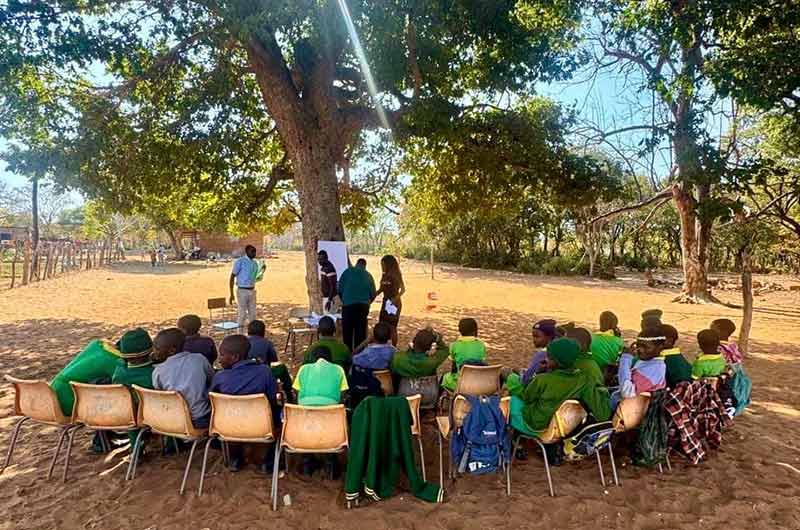
In a landmark collaboration, WESSA and the Foundation for Environmental Education (FEE) have partnered with Children in the Wilderness (CITW) to extend the reach of the Eco-Schools programme into Zimbabwe. This initiative marks a significant step forward in encouraging environmental stewardship and sustainability across borders, uniting Zimbabwe and South Africa in a shared mission to educate the next generation of eco-conscious leaders.
The partnership was forged with a dynamic three-day training session, led by Nomfundo Ndlovu WESSA’s senior manager for Schools and Youth programmes. Designed to equip the CITW team with the tools and knowledge needed to successfully implement the Eco-Schools programme, this training laid the foundation for sustainable environmental education in Zimbabwe. In addition, Nomfundo visited schools across Zimbabwe to directly understand the unique challenges they face.
WESSA’s expansion into Zimbabwe is inspiring to schools across Southern Africa. By incorporating eco-lessons into the curriculum, these African schools are now poised to tackle the unique environmental challenges they face with a renewed sense of purpose and determination. The vision behind this expansion is clear: to create a ripple effect of environmental awareness that transcends borders, driving a network of young eco-warriors who will carry the torch of sustainability forward. Through ongoing support, regular follow-ups, and tailored guidance, WESSA ensures that the Eco-Schools programme in Zimbabwe not only takes root but flourishes.
As the programme continues to grow, so too does the bond between Zimbabwe and South Africa—a bond forged in a shared belief that environmental education is the key to a sustainable future. This collaboration is a symbol of what’s possible when communities come together with a common goal.
The Young Reporters for the Environment (YRE) programme empowers youth to investigate and report on environmental issues affecting their communities and the world. Through various mediums such as articles, videos, and photography, candidates explored topics ranging from biodiversity conservation to climate change mitigation.
We are delighted to announce the winners of the 2024 National Young Reporters for the Environment (YRE) Competition. After reviewing numerous exceptional submissions from talented young individuals around the country, our panel of judges has selected the top entries in each category: Video, Article, and Photography.
Video Category Winner: Nonjiwu Dumisa
Age: 17-years old
School: Zwelethemba High School
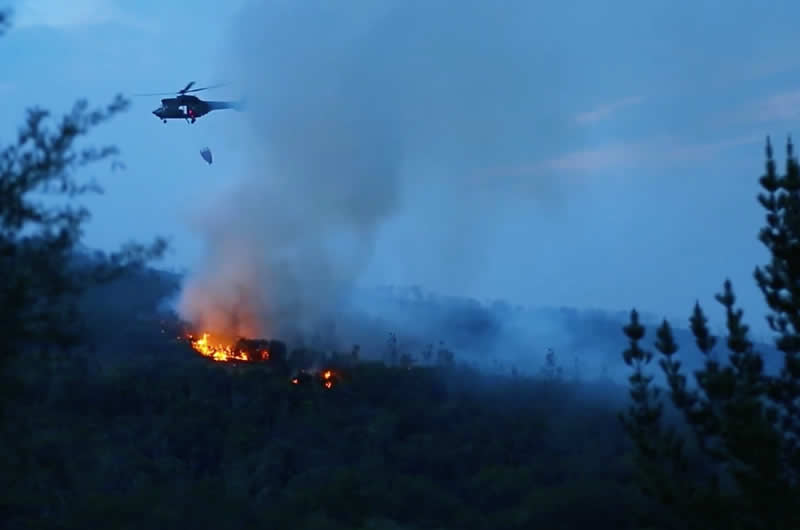
Title: How does fire affect people, fynbos, and the greater environment and what is its impact on climate change?
Nonjiwu’s compelling video focused on the dual nature of fire and its impact on ecosystems, particularly fynbos, a unique type of vegetation native to South Africa. His project explored how fire is an essential ecological process that can pose severe threats if not managed properly. By highlighting the critical balance needed to protect and maintain biodiversity, Nonjiwu’s video brings a vital perspective on the role of fire in ecological sustainability and the challenges posed by climate change.
Title: The Dirty Truth: Confronting the silent epidemic of illegal dumping.
Deeya Kalian was selected as the winner in the Article category for her exceptional investigative work on the issue of illegal dumping in South Africa’s diverse landscapes, highlighting its emergence as a critical environmental threat in Johannesburg. Deeya’s article sheds light on how illegal dumping not only spoils natural beauty but also poses significant health risks and complicates community efforts toward sustainability. Her compelling narrative calls for urgent action and accountability to tackle one of Johannesburg’s biggest environmental challenges.
Title: Suffocating Existence
Phoebe Steyn is our winner in the Photography category, with her evocative photograph titled “Suffocating Existence, Suffocating Life.” These powerful images feature a small, resilient green plant thriving in a harsh, ostensibly suffocating environment, symbolising hope and the potential for life under adverse conditions. Phoebe’s work beautifully captures the essence of persistence and adaptability in nature, reminding us of the resilience required to confront environmental challenges.
We applaud Dumisa, Deeya, and Phoebe for their outstanding contributions to environmental journalism. Each winner has showcased exceptional talent and demonstrated a commitment to promoting greater environmental awareness and action through their talents.
The YRE Competition aims to empower young people to take a stand on environmental issues they are passionate about, and these winners have exemplified just that. Their work has been published and also entered into the YRE International Competition, where they will compete on a global stage with other top entries from around the world.
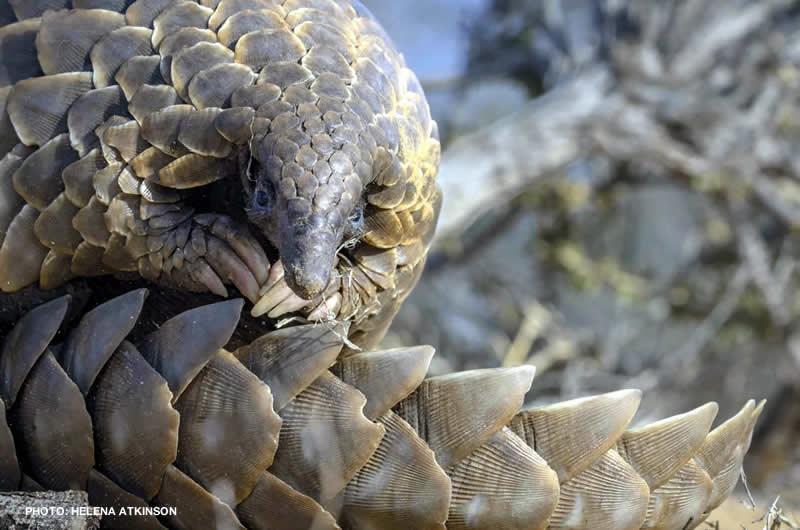
The rugged landscapes of the Northern Cape offer refuge for the endangered pangolin, which faces dire threats from illegal trafficking and habitat loss. Despite their ancient lineage dating back 80 million years, pangolins are among the most trafficked species globally. Their decline is driven by misguided beliefs and demand for their meat.
Threat of electrocution
While Africa is home to four pangolin species, we find the Temmink’s pangolin in South Africa. Here the threat of electrocution on electrified fencing and habitat loss further endangers their survival.
During a recent field trip, I had the privilege of participating in the release of a rehabilitated pangolin rescued from the illegal wildlife trade. This female had progressed to the advanced stages of rehabilitation – confidently foraging for food, sustaining her weight, and engaging in necessary behaviour for survival. Her condition on arrival at the small rehabilitation centre a few months prior was in stark contrast. Then, she was weak, dehydrated, traumatised, and disoriented from captivity. She required intensive care in order to recover. Credit is due to the dedicated efforts of Machel Van Niekerk and her rehabilitation team, who tirelessly provided her with the necessary care and support.
Rehabilitation to re-wilding
Witnessing her roam freely in the darkness, under the watchful eyes of the stewards, as she feeds on ants and termites, is a testament to their commitment and care.
Joining a release team is always a privilege. Careful site selection ensures safety from poaching and tries to minimise other threats. After protocols are established, the tagged pangolin is released into the chosen environment and monitored through satellite and telemetry tracking. This soft release phase
demands meticulous care and collaboration among teams. Once self-sustaining behaviour is observed, the pangolin undergoes a hard release, completing rehabilitation to re-wilding. Tracking tags are removed and a final weigh-in is done before the rehabilitated pangolin takes her first steps back into a wilderness environment as a free-roaming animal.
Their journey from the duress of capture or injury to health and readiness for re-wilding is truly inspiring.
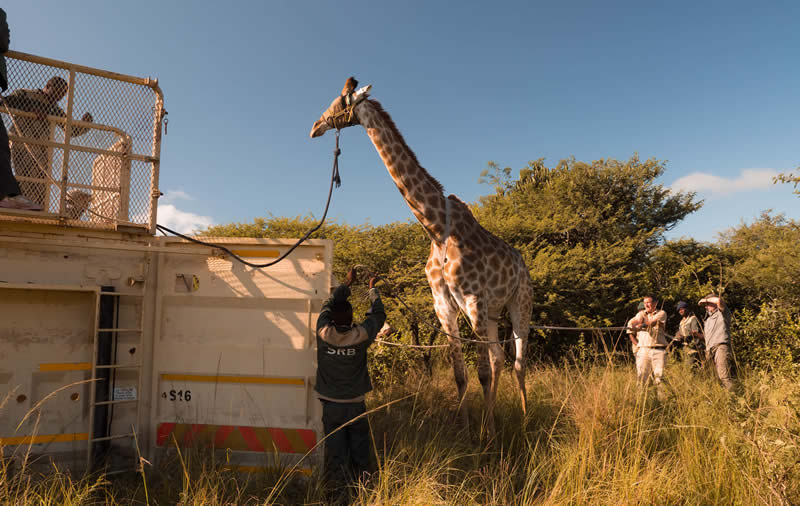
Thanks to conservation conscious supporters like you, WESSA was able to successfully re-introduce 4 giraffes to our uMngeni Valley Nature Reserve recently.
The giraffes – donated by Karkloof Safari Spa, were transported safely and released into their new home by a professional team from WESSA and partner organisations. As you can see, it took careful planning, commitment and considerable muscle power!
Seeing these magnificent creatures roaming in what, decades ago, was their natural environment, is a triumph for conservation. They will play an important role in helping to balance the eco-system and preserve bio-diversity in the area.
But we need to do more to protect and conserve our beautiful and unique wildlife and habitats. And that’s why we’re hoping you’ll make your own commitment to conservation by supporting us with a regular monthly contribution.
You can become a champion for nature from as little as R150 monthly. The more you give, the more we can achieve together.
Your contribution makes you part of the WESSA team, there with us in spirit as we take further, meaningful action to restore natural areas like the uMngeni Valley Nature Reserve.
Become our partner in caring for the earth.
“The reintroduction of giraffes at WESSA’s uMngeni Valley Nature Reserve is a testament to our dedication to conserving biodiversity and wildlife, ensuring the sustainability of our natural heritage.
We look forward to observing their behaviour and the ecological benefits they will bring to our ecosystem.”
 Video Category Winner: Nonjiwu Dumisa
 Article Category Winner: Deeya Kalian
 Photography Category Winner: Phoebe Steyn