Green Rising Project sparks community action for cleaner, greener spaces across KZN

Green Rising Project sparks community action for cleaner, greener spaces across KZN

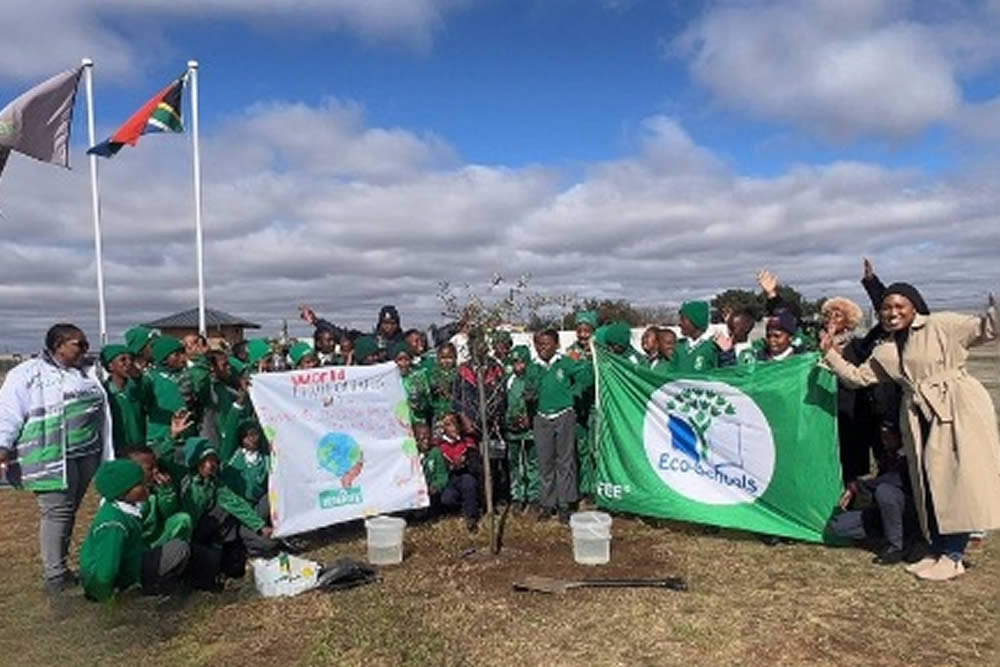
Pictured above: More than 140 committed participants in eMbali, Pietermaritzburg focused on alien invasive plant clearing, the establishment of a sustainable vegetable garden, and a community-wide cleanup

Across KwaZulu-Natal in South Africa, April was a powerful reminder that environmental change is not only measured in cleared waste, planted seedlings or restored spaces. It is also measured in the people who show up, take ownership, and work together to build healthier, more resilient communities.

Through WESSA’s work with partners, schools, local residents and young changemakers, communities in Pietermaritzburg and Durban demonstrated what it means to care for the Earth through practical, hands-on action.

Restoring ecosystems and strengthening community pride in eMbali

On 13 April 2026, the community of eMbali in Pietermaritzburg came together for a high-impact environmental action under UNICEF’s Green Rising project, led by WESSA in collaboration with DUCT, Clean My Country, uMngeni-uThukela Water and local residents.

With the support of more than 140 committed participants, the day focused on alien invasive plant clearing, the establishment of a sustainable vegetable garden, and a community-wide cleanup.

The result was more than a cleaner space. The initiative helped restore local ecosystems, strengthen food security, and encourage environmental stewardship. It also highlighted the power of coordinated community action, where local partnerships become the foundation for long-term care of shared spaces.

Growing opportunity through urban agriculture

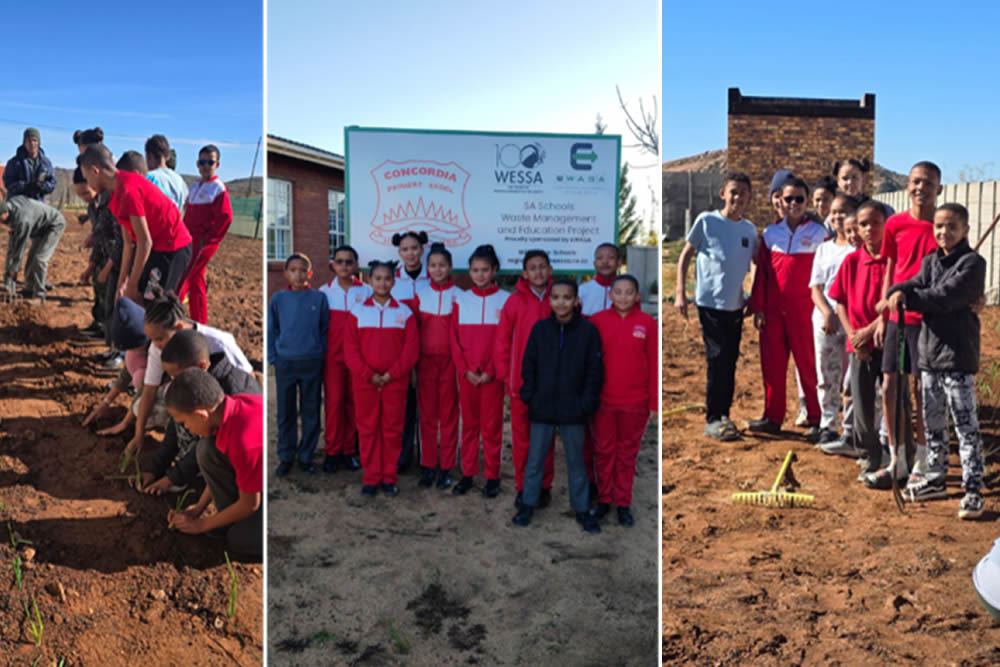
Pictured above: WESSA Membership and Tri-Eco teams planting vegetable seedlings into repurposed, nutrient rich soil filled sacks)

In the lead-up to Earth Day 2026, WESSA joined forces with WESSA Membership and Tri-Eco on 20 April to support a dedicated local changemaker in Durban’s Albert Park community.

Together, they helped establish a city vegetable garden using a simple but innovative approach: vegetable seedlings planted into repurposed sacks filled with nutrient-rich soil.

Row by row, the sack gardens began to transform the space into a hub of sustainability, creativity and opportunity. Once harvested, the vegetables will be sold within the community, supporting a small local economy while improving access to fresh, locally grown produce.

This is environmental action with a social purpose – turning available space and reused materials into a practical model for food security and community empowerment.

From illegal dumping site to biodiversity garden

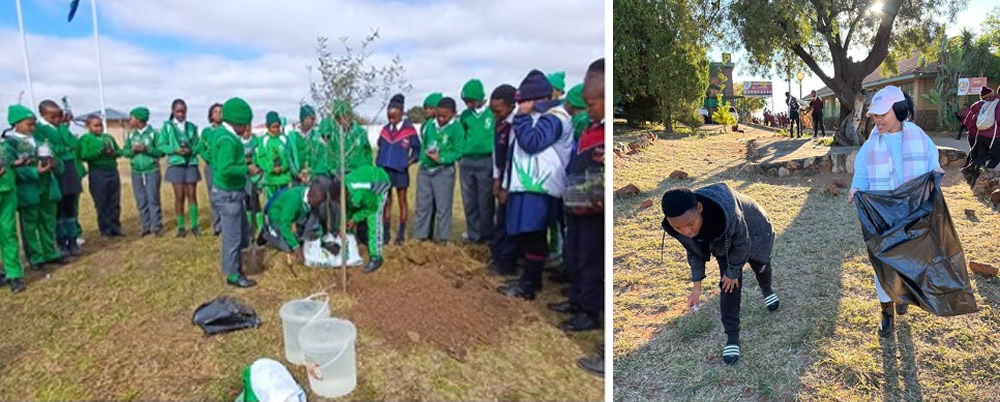
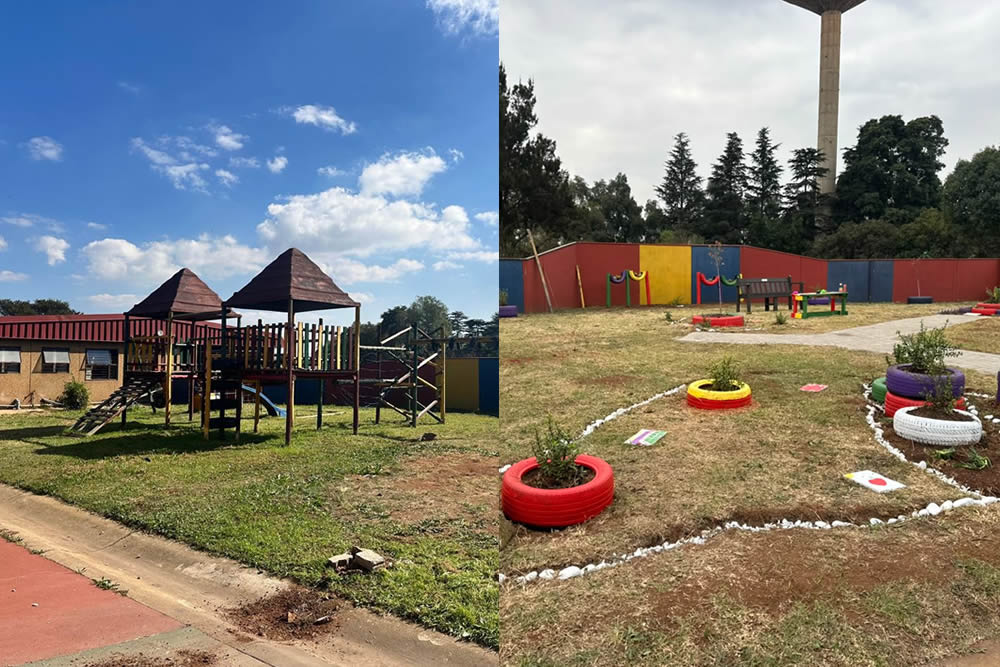
Pictured above: A coordinated cleanup, waste removal and creation of a biodiversity garden – Lamontville, Durban)

On 29 April 2026, WESSA partnered with eThekwini Municipality’s Cleansing and Solid Waste Unit and Lamontville community volunteers to rehabilitate an illegal dumping site near an old age home.

The site had become a serious health and environmental concern, with odours and rodent infestations affecting the well-being of elderly residents. Through a coordinated cleanup effort, the waste was removed and the space was transformed into a biodiversity garden.

The intervention restored dignity to the area and created a natural deterrent against future dumping. Most importantly, it showed how environmental care can directly improve people’s daily living conditions, especially for vulnerable members of the community.

People caring for the Earth, one action at a time

From clearing alien invasive plants and creating food gardens, and to restoring dumping sites, these April activities reflect WESSA’s mission in action – Educate.Advocate.Act.

Each initiative shows that when communities, partners and young people work together, environmental action becomes more than a once-off event. It becomes a shared commitment to cleaner spaces, stronger communities and a healthier future.

Sun International Sibaya project: Waste takes the runway at Palmview Secondary School

Sun International Sibaya project: Waste takes the runway at Palmview Secondary School

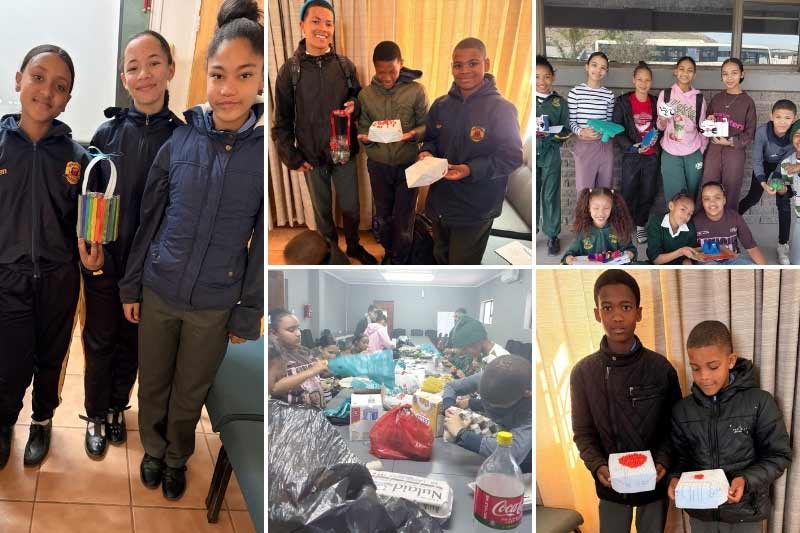
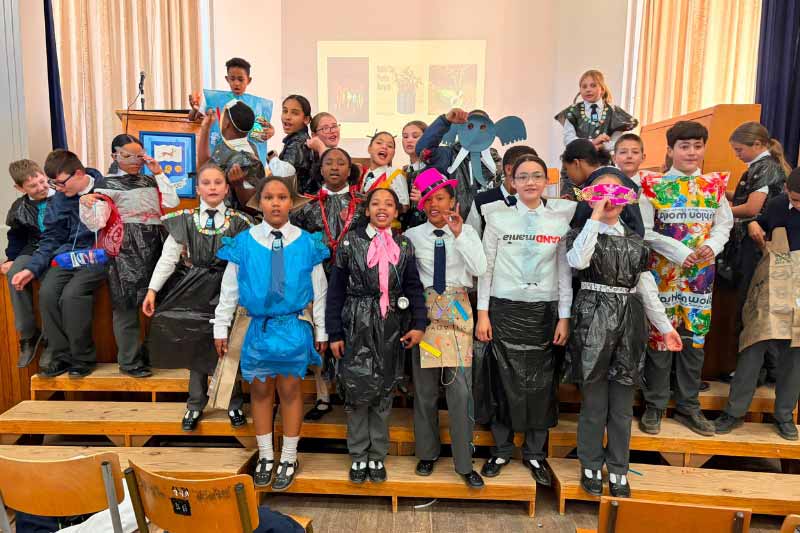
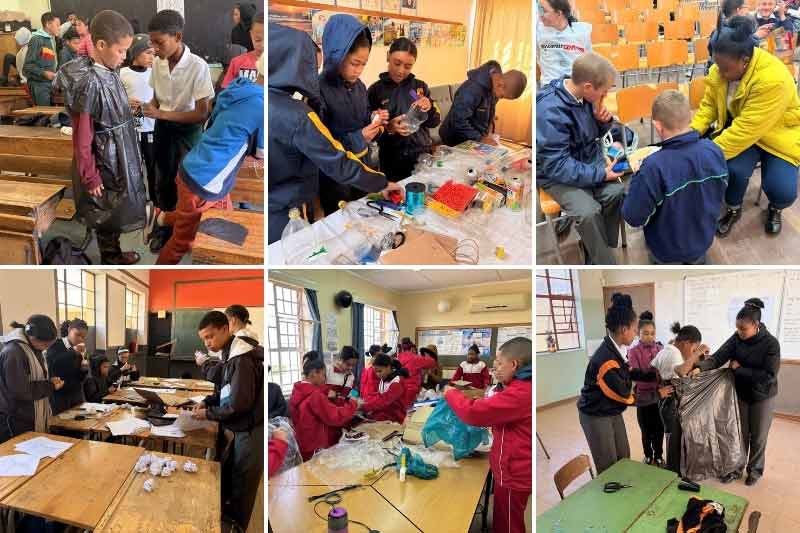
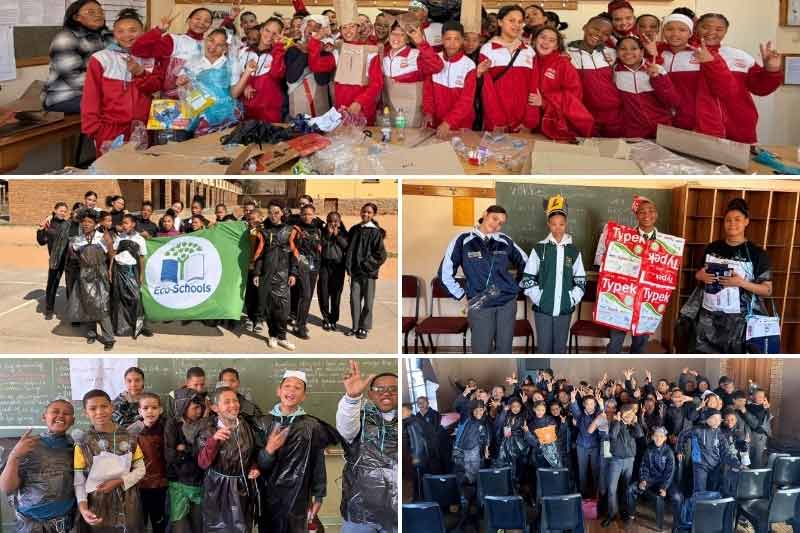
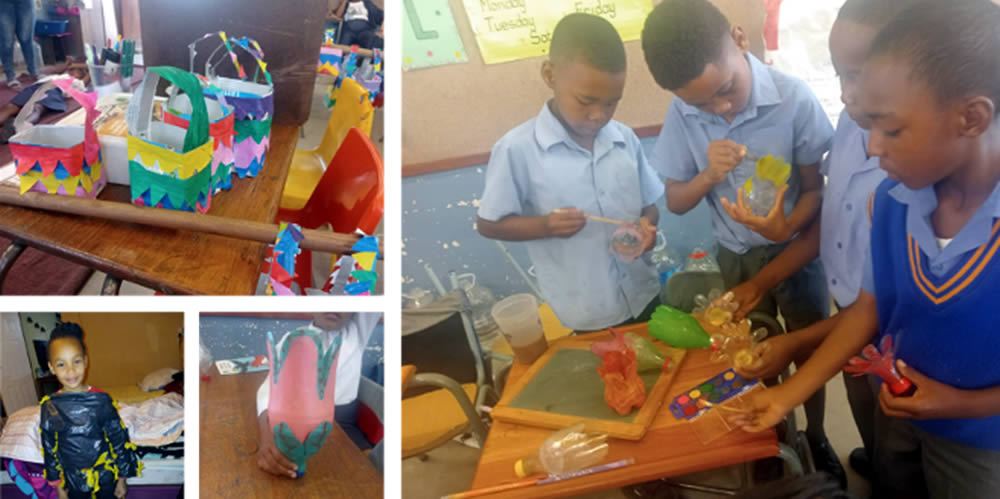
Creativity met sustainability at Palmview Secondary School in Durban on 30 April 2026, as learners took part in a vibrant Trashion Show as part of the Sun International Sibaya project.

The event saw learners transform recycled materials into fashion pieces, crafts and functional creations, showing just how powerful youth-led environmental action can be when creativity is placed at the centre.

With more than 40 entries received, participants impressed the judges with innovative designs that turned waste into wearable art. Three winners were selected in each category, recognising the high level of talent, effort and environmental awareness demonstrated by the learners.

The Trashion Show forms part of the build-up to the main competition, where five Sun International Eco-Schools will come together to compete. Through initiatives like this, learners are encouraged to think differently about waste, sustainability and their role in caring for the environment.

As WESSA continues to support schools in turning environmental learning into practical action, events like this remind us that young people are not only learning about sustainability – they are actively creating it.

Welcome to WESSA’s Coastal Programme interns in Durban

Welcome to WESSA’s Coastal Programme interns in Durban

Pictured above: (left) Thokozani Maphalala and (right) Khwezi Dlomo

WESSA is pleased to welcome Thokozani Maphalala and Khwezi Dlomo, who have joined the Coastal Programme as interns based at the Durban office.

Their arrival brings fresh energy, practical skills and a shared commitment to environmental learning, responsible tourism and coastal conservation.

Why they joined WESSA

For Thokozani, who holds a Diploma in Tourism Management, joining WESSA is an opportunity to connect his passion for tourism with environmental protection. He sees tourism as “more than just travel”, but as a way for people to connect meaningfully with places, communities and nature.

WESSA’s mission of “People Caring for the Earth” strongly resonates with him, especially through programmes such as Blue Flag and Green Coast, which show how conservation and tourism can work together.

“I bring a visitor-focused perspective from my tourism background,” says Thokozani. “I understand guest experience and how sustainability influences travel choices.”

He hopes to contribute ideas that improve visitor engagement at WESSA tourism sites, including stronger sustainability messaging, better signage and simple feedback systems that help visitors understand how their actions support conservation.

Khwezi joins the team with a strong environmental background and valuable skills in GIS and data capturing. She is inspired by WESSA’s role in protecting the planet while educating and creating awareness in communities.

“As an environmentalist, WESSA aligns with my values of conserving nature while educating and creating awareness to different communities,” she says.

Khwezi is particularly interested in using her GIS and data skills to support coastal programmes such as Blue Flag, while also contributing her knowledge of coastal and environmental legislation. She hopes to grow her project coordination and management skills and deepen her understanding of what it takes to run effective Blue Flag and Green Coast initiatives.

 A clear interest in the future of sustainable tourism and environmental action

 Thokozani believes that green tourism creates opportunities beyond guiding and ranger work, including sustainability audits, eco-certification and environmental education. His advice to young people interested in this space is simple: learn the frameworks, understand the opportunities, and remember that “take only memories, leave only footprints” is not just a slogan, but the future of tourism.

Khwezi echoes this with a powerful reminder that sustainability is active and ongoing: “Green is a process, not a status. We need to think of ‘green’ as a verb, not an adjective.”

“As they begin their internship journey, Thokozani and Khwezi will support WESSA’s Coastal Programme in strengthening environmental awareness, visitor engagement and practical conservation action along South Africa’s coastline,” adds Mike Denison, WESSA Coastal Programme Senior Manager.

WESSA looks forward to seeing their growth, ideas and contributions take shape as part of the Durban team.

Welcome to Louelle Chelsea Philander, WESSA’s first Northern Cape Coordinator: Schools & Youth Unit

Welcome to Louelle Chelsea Philander, WESSA’s first Northern Cape Coordinator: Schools & Youth Unit

Pictured above: Louelle Chelsea Philander

WESSA is excited to welcome Louelle Chelsea Philander as our new Northern Cape Coordinator: Schools & Youth Unit.

Louelle brings a strong science-based foundation to the role, with a BSc Honours in Environmental and Water Science and experience across biodiversity management, project coordination, community-based environmental education and stakeholder engagement. Her work has included invasive species management, ecological restoration, environmental education, community outreach, skills development workshops and programme monitoring and reporting.

Louelle brings a strong science-based foundation to the role, with a BSc Honours in Environmental and Water Science and experience across biodiversity management, project coordination, community-based environmental education and stakeholder engagement. Before joining WESSA, she worked with L Noah Supplies and Projects, the City of Cape Town’s Environmental Management Department, including the Invasive Species Unit (Green Jobs Project) and Environmental Capacity Building Unit, as well as SANParks’ Addo Elephant National Park as the Tourism Monitor – Socio-Economic Transformation Department, where her work included ecological restoration, invasive species management, environmental education, community outreach, skills development workshops and programme reporting.

For Louelle, joining WESSA is an opportunity to deepen the impact of environmental education in schools and communities.

“Through my experience, I have witnessed the powerful role environmental education plays in engaging communities, fostering a sense of stewardship, and driving meaningful conservation outcomes.”

In her first year, Louelle hopes to strengthen engagement with schools and create lasting impact by helping learners and communities turn environmental awareness into meaningful action.

“I see these programmes as an investment in people – because when individuals carry the message forward, apply what they’ve learned, and share it with others, the impact grows far beyond just one interaction.”

Welcome to the team, Louelle. We’re excited to see the impact you will help grow across the Northern Cape.

WESSA welcomes Katherine Imrie, Coastal Programme Research and Monitoring Coordinator

WESSA welcomes Katherine Imrie, Coastal Programme Research and Monitoring Coordinator

WESSA is pleased to welcome Katherine Imrie as the newly appointed Coastal Programme: Research and Monitoring Coordinator, based at the Chintsa East office.

Katherine joins WESSA with a strong academic foundation in marine biology, environmental science and sustainable development, as well as hands-on experience in field research, conservation storytelling and community engagement. Her work sits at the intersection of people, nature and conservation – a space she describes as being driven by “curiosity, connection and action”.

A deep connection to the natural world

Katherine’s journey into environmental work has been shaped by a lifelong love for nature and a desire to contribute to its protection in a way that also supports people.

“WESSA’s educate, advocate, act approach resonates with me because it turns awareness into meaningful action,” she adds.

For Katherine, conservation is not only about protecting ecosystems. It is also about strengthening the relationship between people and the natural world and recognising that lasting change is built through connection.

She is particularly drawn to WESSA’s community-driven conservation focus and believes that meaningful environmental action happens when people understand that they are part of the environment, not separate from it.

Bringing research, fieldwork and storytelling together

Katherine holds a Bachelor of Science in Marine Biology and Environmental & Geographical Science from the University of Cape Town, completed in 2024. She has also completed a Postgraduate Diploma in Sustainable Development through Stellenbosch University, where her studies included biodiversity and climate change, water and food systems, just and sustainable urbanism, governance, institutional change and leadership for sustainability transitions.

Her professional experience includes working as a field research assistant with the African Wildlife Economy Institute, supporting in-field data collection for research on sustainable game meat production. This role gave her practical experience in fieldwork logistics, stakeholder engagement and gathering data in varied socio-ecological contexts.

She also interned with Wild Africa, where she gained insight into impact-driven conservation through film, media and partnerships. This experience helped shape her view that conservation can happen in many ways – including through research, communication, collaboration and public engagement.

At WESSA, Katherine hopes to contribute by helping tell clear, relatable stories that connect people to environmental issues and encourage practical action, particularly in areas such as marine conservation and ghost gear awareness.

Supporting behaviour change through connection

In her new role, Katherine says, “I would like to help shift how people see their relationship with the environment, from something external to something they are part of. Even small shifts in awareness can lead to meaningful behaviour change, and I’d love to contribute to that through storytelling and engagement.”

Her approach reflects a strong appreciation for the link between people and ecosystems. She describes herself as curious, adaptable and eager to learn – qualities that will support WESSA’s ongoing work to educate, advocate and act for environmental and social justice, climate action, biodiversity protection and pollution reduction.

A message for future environmental changemakers

When asked what advice she would give to others starting out in environmental work, Katherine’s message is simple:

“Be brave. This work isn’t always recognised, but it is necessary. At its core, it’s all relational; it’s about building meaningful connections with people and the environment.”

As WESSA continues to strengthen coastal conservation, research and community engagement across South Africa, Katherine’s role will help support the organisation’s mission to turn awareness into action – and to inspire more people to care for the Earth.

WESSA Education Centres: April learning comes to life through e-STEAM, water studies and hands-on problem solving

WESSA Education Centres: April learning comes to life through e-STEAM, water studies and hands-on problem solving

Pictured above: Nxenjane Primary School, attending the WESSA Twinstreams Education Centure

This April, WESSA’s Education Centres continued to create meaningful learning spaces where learners could explore environmental challenges through curiosity, creativity and practical problem-solving.

From the WESSA Twinstreams Education Centre to the WESSA uMngeni Valley Education Centre, learners were introduced to hands-on activities that connected classroom knowledge with real-world environmental action.

Turning environmental challenges into solutions

At the WESSA Twinstreams Education Centre, Nxenjane Primary School participated in the Old Mutual Insurance project, which empowers educators and learners to identify environmental issues in their schools and communities and develop practical solutions through innovation.

The project integrates environmental learning into e-STEAM subjects: Environment, Science, Technology, Engineering, Arts and Mathematics. Through this approach, learners are encouraged to think critically, explore sustainability-focused solutions, and apply their classroom knowledge in practical ways.

Using the “Solution Flower” framework, learners unpacked environmental issues from the ground up, developing ideas that could be shaped into prototypes and real-world interventions.

First-time learning experience at uMngeni Valley

Pictured above: Asithuthuke Combined School learners exploring previous projects and prototypes at the WESSA uMngeni Valley Education Centre.

Asithuthuke Combined School from Zenzani Village in Howick visited the WESSA uMngeni Valley Education Centre for the first time in April. Learners took part in introductory activities focused on water quality studies and team building, giving them an opportunity to strengthen their connection with both their educators and peers.

During their visit, learners explored the Science Centre, also known as the e-STEAM Room, where they viewed previous projects and prototypes created by other schools. These examples offered inspiration and showed learners how environmental challenges can be turned into practical, creative solutions.

Pictured above: Asithuthuke Combined School learners taking part in the Pickup Points challenge, exploring how sound travels through a bucket radio experiment, and conducting a miniSASS water quality test using a clarity tube to see the water clearance.

The learners also participated in the Pickup Points challenge, where they worked to remove corn from different holes. This activity tested their patience, problem-solving and critical thinking skills in an engaging and practical way.

Another highlight was the bucket radio sound experiment. Using a metal bucket setup, learners compared two different bucket sizes to investigate which produced the loudest sound. The activity helped learners explore how sound travels and how size and material can affect sound intensity through real-time experimentation.

WESSA’s Education Centres offer experiential learning, giving learners the space to ask questions, test ideas, work together and discover how science, creativity and environmental action can shape a more sustainable future.

Contact us to learn more and book your next Education Centre visit. https://www.wessa.org.za/education-centres/