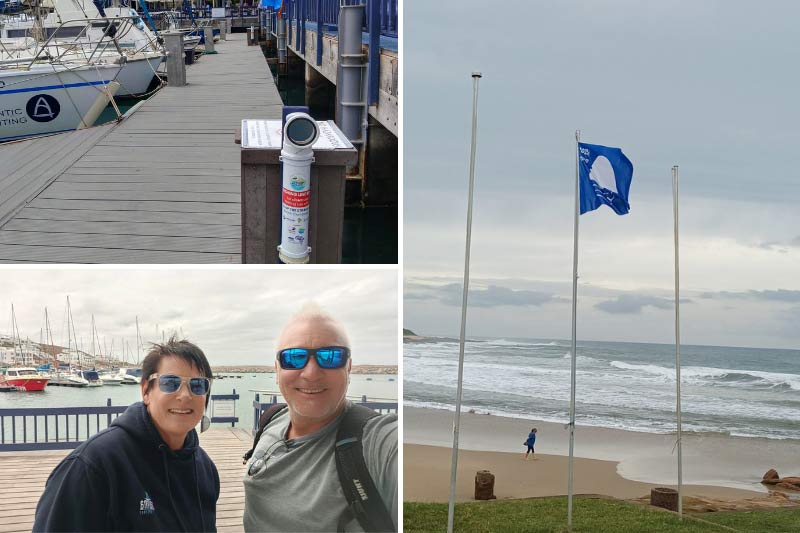
Pictured above: WESSA Senior Coastal Programme Manager meeting partners during Control Site visits
From site visits and programme assessments to environmental education and the continued growth of community-based initiatives, WESSA’s Coastal Programme team had a busy month of May supporting safer, cleaner and more sustainable coastal destinations.
Across the country, the team has been conducting control visits at Green Coast sites, Blue Flag marinas and tourism boats. These visits are an important part of maintaining programme standards and ensuring that environmental criteria are being implemented effectively on the ground.
They also provide an opportunity to engage directly with partners, recognise good practices, identify areas for improvement and offer practical support to teams working to strengthen coastal destinations for communities, visitors and future generations.
Supporting coastal sites through practical engagement
Control visits play a key role in helping sites maintain the standards linked to WESSA’s coastal programmes.
By assessing how criteria are being applied in practice, the Coastal Programme team can support partners in building more sustainable, well-managed and environmentally responsible coastal spaces.
The month of May also saw continued growth in the Stop the Strangle initiative, with new sites joining the programme. The initiative is steadily moving towards its target of 100 Stop the Strangle bins by October, thanks to the Ford Wildlife Foundation, helping to expand efforts to reduce fishing-line pollution and protect coastal and marine environments.
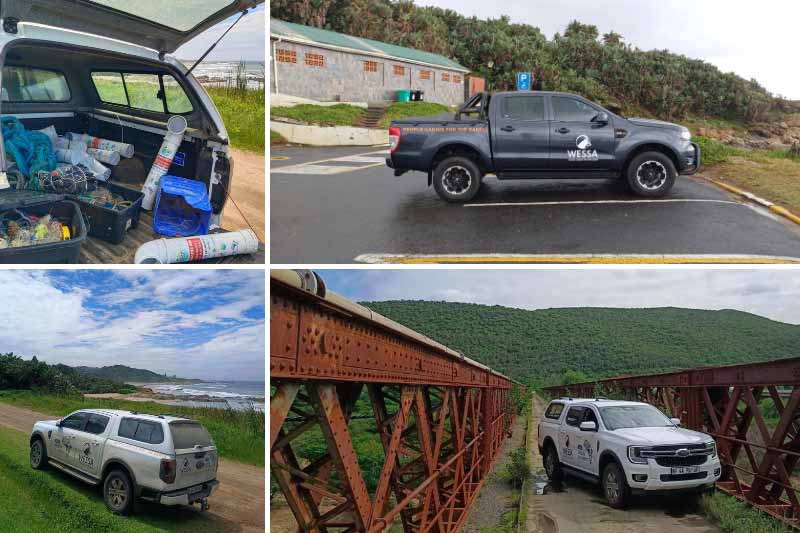
Pictured above: Ford 100-Bin Relay Project – a Stop the Strangle initiative, powered by Ford Wildlife Foundation
Preparing for the 2026/27 Blue Flag season
Applications for the next Blue Flag season closed in mid-May and are currently being assessed by the Coastal Programme team ahead of the National Jury sitting in June.
Despite severe storms experienced along the coast, municipalities are working hard to repair affected areas and prepare sites for the 2026/27 season.
Their ongoing commitment reflects the value of collaboration in maintaining high standards and ensuring that coastal destinations remain safe, accessible and environmentally sustainable.
Building the next generation of coastal leaders
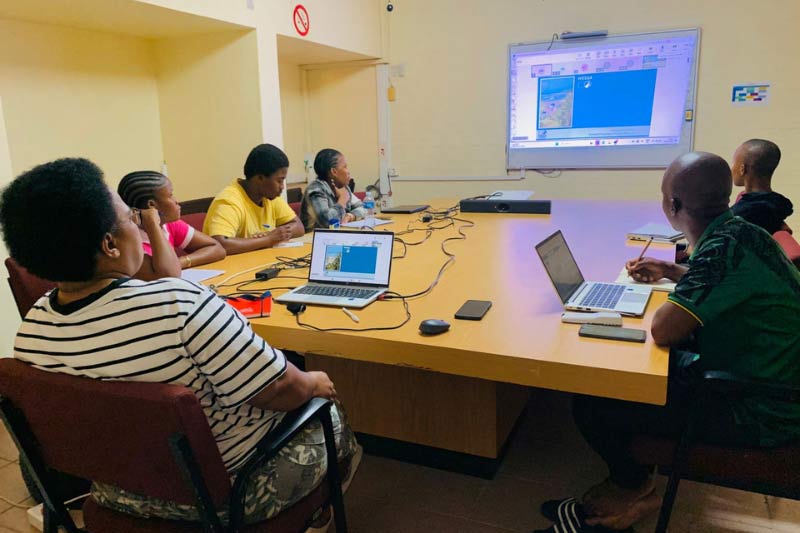
Pictured above: Online training session with students from the University of Zululand, in collaboration with the WESSA Education Unit from Twinstreams
In addition to the team’s on-the-ground work, WESSA hosted an engaging online training session with students from the University of Zululand, in collaboration with our Education Unit team from Twinstreams.
The session, titled “Charting a Sustainable Course for Coastal and Marine Tourism,” explored how certification can be used as a strategic tool for destination management.
Students were introduced to a range of internationally recognised eco-labels and certification initiatives, including:
- Blue Flag beaches
- Pilot Blue Flag sites
- Tourism boats and marinas
- The Green Coast eco-label for emerging and less-developed coastal sites
- Green Key awards
The session was well received by students and lecturers, sparking meaningful discussions and new ideas around coastal sustainability and marine tourism.
WESSA is continuing conversations with the students to explore how some of these concepts and opportunities can be developed further.
Working together for healthier coastlines
From supporting municipalities and coastal partners to expanding pollution-reduction initiatives and engaging future environmental leaders, the Coastal Programme continues to demonstrate the value of practical action and collaboration.
These efforts help strengthen destinations, protect coastal environments and build a shared commitment to more sustainable coastlines.