Jul 22, 2024 | News, Young Reporters
Young people across South Africa are being empowered to investigate, document, and communicate environmental issues in their communities.
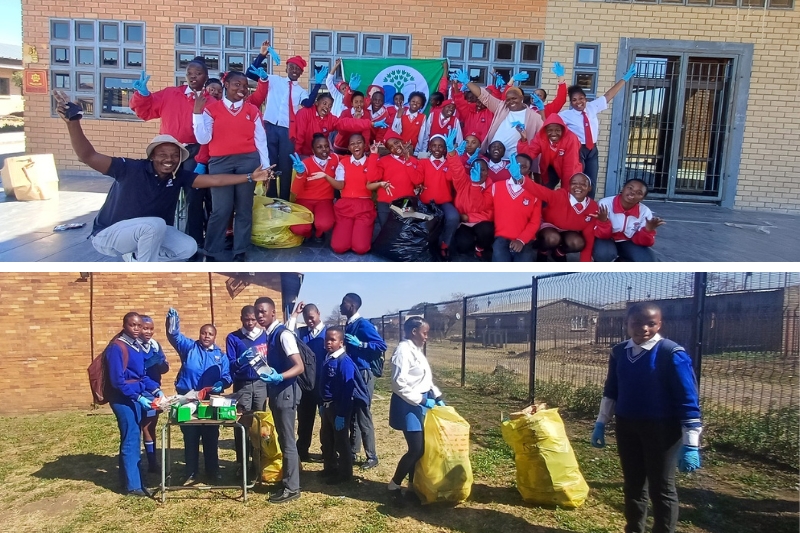
Through the ‘Youth Environmental Reporters and Advocates’ (YERA) programme, led by UNICEF South Africa and WESSA (Wildlife and Environment Society of South Africa), in collaboration with the Department of Basic Education, we aim to build learners’ climate literacy and environmental knowledge, and enhance communication and reporting capacities on the local issues that matter to them.
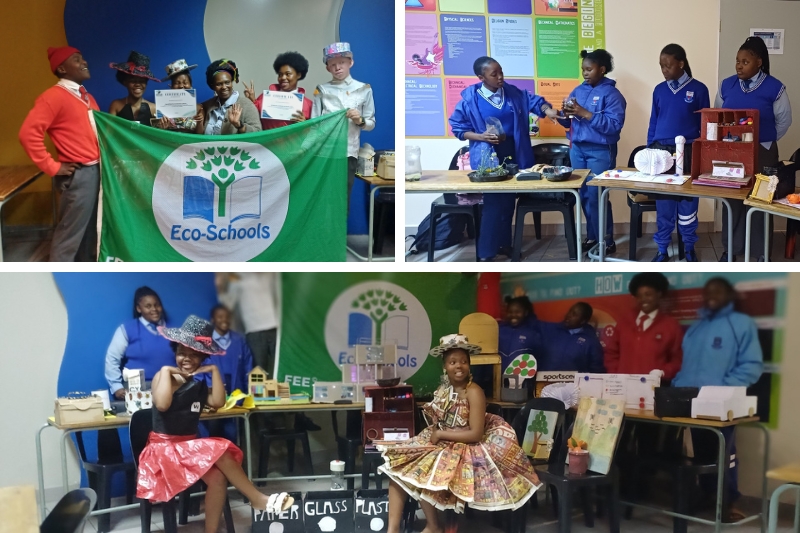
“I am excited to learn how to raise my voice to create more awareness about the pressing environmental issues in our school and community,” said Saron Gidiso, a grade 10 learner at Marklands Secondary in Chatsworth. Another grade 10 learner, Imithle Mkhize, from Glenhaven Secondary in Tongaat stressed the importance of taking action now so that authorities could address the issues of water shortages, pollution and littering to create a more pleasant environment.
“If we don’t speak about it as the youth, then who will?” she said. “These are things that affect us in our daily lives. We see it. We might turn our heads when we see a piece of paper and ignore it, but it affects us in the long run.”
Over the next eight months, the YERA programme will be implemented across four provinces – KwaZulu-Natal, Western Cape, Northern Cape, and Eastern Cape. It will target 40 schools (ten in each province), empowering 400 young reporters.
“The YERA programme embodies our commitment to environmental and social justice,” said Cindy Cloete, WESSA CEO. “By empowering young people, we are shaping a new generation of environmental champions who will lead the fight against climate change and advocate for sustainable solutions. We are thrilled to partner with UNICEF on this critical initiative and look forward to its transformative impact.”
Young people’s voices, particularly girls, often remain stifled, disconnected, and under-supported in the vital call for urgent action against the climate crisis and other environmental challenges they face. The ‘Climate, Energy, and Environment Landscape Analysis for Children in South Africa’, released by UNICEF South Africa in late 2023, reiterated the importance of increasing the visibility of children and young people in the climate and environment agenda to ensure policies and actions that respond to their specific needs.
“Empowering learners and young people, particularly girls, through education and nurturing their skills will build on their local knowledge to help raise their voices and strengthen action on local climate and environmental challenges,” said Christine Muhigana, UNICEF South Africa Representative.
“Young people are exposed to climate and environmental challenges today, they are best placed to tell that story and we need to respond to their needs by directly influencing climate policies and related community level adaption efforts,” added Muhigana.
Through a series of training, the programme will educate participants in investigative journalism, environmental science, and advocacy skills to enable young reporters to be champions of the environment. The workshops will utilise WESSA’s ‘Young Reporters for the Environment’ (YRE) methodology, with one of the key outputs being journalistic works produced by each participating school for distribution across a range of online and media platforms.
By working together, we can all ensure that youth in South Africa, especially girls, are equipped with the knowledge, skills, and platforms needed to raise awareness, influence policy, advocate for the environment, and take meaningful action.
“This programme is an important step forward in further nurturing environmental awareness among learners in South Africa and we hope the programme can be expanded in the coming months and years to benefit more South African schools,” said the KZN Department of Basic Education acting Chief Education Specialist, Lazi Mtwa.
The programme is made possible thanks to generous funding through the UNICEF Canada National Committee.
Watch the launch of the new programme.
For more information about the YERA programme and how you can get involved, contact Nomfundo Ndlovu at nomfundo.ndlovu@wessa.co.za
Jun 10, 2024 | eco-schools, News
We are incredibly proud to announce that Aziezah Essop of St Andrew’s School for Girls in Bedfordview, Johannesburg, was honoured with the prestigious Foundation of Environmental Education Global Teacher Award!
Aziezah is the only teacher from South Africa among 17 global winners and 46 shortlisted teachers from 16 countries. During her presentation, she highlighted their whole-school approach to embedding environmental stewardship and climate consciousness into their school curriculum and daily lives.
WESSA has worked closely with Aziezah over the years, and we salute her passion for actively driving environmental awareness and sustainability at her school. Through this award, FEE aims to recognise the efforts of outstanding teachers from the global network who promote and integrate Education for Sustainable Development (ESD) in their schools and communities. This award celebrates professional excellence, outstanding achievements, and spreads inspirational stories.
Congratulations, Aziezah, for this well-deserved recognition!
May 15, 2024 | News
It all began with a Climate Change protest back in October 2019. Siziwe Hlongwa, then a student at the University of KwaZulu-Natal studying Environmental Sciences, found herself drawn to a workshop in Durban, eager to make a difference.
“I was driven by a desire to find a green organisation that would intensify my passion for the environment,” Siziwe recalls. Her journey towards environmental advocacy was sparked during a soil study excursion a month prior, where she felt a connection with nature, reshaping her mindset entirely.
WESSA stood out
Amidst the multitude of green organisations present at the protest, WESSA (Wildlife and Environment Society of South Africa) stood out for Siziwe. Recognising the opportunity to grow and gain experience, she eagerly joined as a volunteer, setting the stage for a life-changing journey. Under the guidance of WESSA’s leadership and mentorship from Margaret Burger, chair of the KwaZulu- Natal region, Siziwe’s growth in the environmental field flourished.
Environmental Education Intern
In 2020, a forest-guided walk as a WESSA youth member opened doors to networking opportunities, leading Siziwe to become an Education Guide at the Durban Botanic Gardens.
This experience paved the way for a one-year programme at the Durban Natural Science Museum in Environmental Education in 2022. The highlight of Siziwe’s journey came in 2022 when she secured an internship with WESSA Groen Sebenza, working as an environmental education intern at the uMbogavango Nature Reserve in Amanzimtoti.
Commitment to environmental sustainability
The privilege of extending the internship under WESSA membership as an education officer demonstrated Siziwe’s dedication and passion for conservation. Remaining an integral part of WESSA as both an intern and a youth member, her commitment to environmental sustainability only deepened. Her participation in the Environmental Education Association of South Africa (EEASA) conference in September 2023 further strengthened her commitment to pursue Education for Sustainability to contribute to the preservation of the earth’s vitality and diversity.
Siziwe’s journey with WESSA is one of many filled with purpose and dedication, inspiring others to join the movement and take action in environmental initiatives.
“I’ve learned that every step we take towards improving our environment, no matter how small, can make a significant difference. WESSA has been instrumental in shaping my journey, and I hope my story inspires others to take action and be part of the solution.”
May 12, 2024 | eco-schools, News
Navigating the challenges of high school can be overwhelming, with academic pressures and social dynamics often taking a toll on students’ mental well-being.
According to a recent UNICEF South Africa U-Report survey, 60% of young people reported needing mental health support in the past year. This represents a 15% decrease
from the previous year’s findings. However, the demand for mental health assistance remains unchanged for those aged 15-24, with 70% indicating a need for support. Female
respondents were 5% more likely than males to seek help for their mental wellbeing.
Ecotherapy Sanctuary at Palmview Secondary
Recognising the importance of emotional resilience, WESSA Eco-Schools with the support of Sun International embarked on a transformative journey at Palmview Secondary School in Phoenix, Durban. The vision was to create a sanctuary where learners and teachers could connect with nature, find solace, and nurture their inner peace. Inspired by the principles of ecotherapy, the Wellness Garden at Palmview Secondary School was born, embodying sustainability at its core. From adopting organic gardening practices to implementing water-saving techniques and utilising reclaimed waste materials, the garden became a living embodiment of environmental stewardship and holistic well-being. It provided a space for learners to unwind, engage in mindfulness practices, and develop practical skills through hands-on activities like composting and planting sessions.
The impact has been profound. Students have embraced the garden as their sanctuary and moments of reflection. Teachers have seamlessly integrated the garden into their curriculum, using it as a dynamic learning environment for lessons on ecology, sustainability, and wellness. Looking ahead, the project aims to expand, incorporating additional features like eco- benches for relaxation and contemplation.
Empowering students to thrive in mind and spirit
As we reflect on the success of the Wellness Garden, we extend our gratitude to all who contributed to its realisation, empowering students to thrive in both mind and spirit. In a time where mental health challenges among school-going children are on the rise in South Africa, initiatives like the Wellness Garden provide safe spaces for learners.
In 2022, the University of Cape Town’s Children’s Institute published the South African Child Gauge which focused specifically on children’s mental health. The report highlighted that South African children are exposed to extraordinarily high levels of adversity, which increases their risk of developing mental health challenges.
It’s not surprising that more than one in 10 children in South Africa have a diagnosable and treatable mental health disorder. This includes depression; anxiety; post-traumatic stress disorder; conduct, learning, and substance-use disorders; as well as neurodevelopmental disorders such as attention deficit hyperactivity disorder and autism.
Apr 23, 2024 | Blue Flag, Green Coast, News
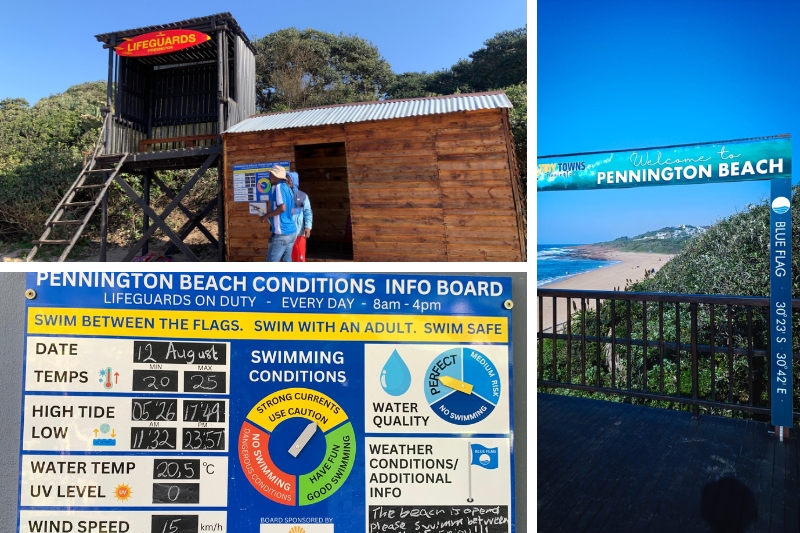
Did you know that the Blue Flag is an internationally recognised eco-label awarded to beaches, marinas, and sustainable boating tourism operators?
In South Africa, WESSA implements this prestigious programme, celebrating over two decades of commitment to environmental excellence and sustainable tourism along our beautiful coastlines. When you see a Blue Flag waving, it is a symbol of pristine conditions, safety, and high environmental standards.
The Green Coast Programme, a visionary extension of WESSA’s conservation efforts, focuses on the hidden gems of South Africa’s coastlines. This programme champions the cause of lesser-known biodiverse coastal areas with high sustainable tourism potential, promoting their conservation through community-led initiatives and integrated management strategies. It’s about bringing together local communities, authorities, and the private sector to protect and enhance our coastal treasures.
Green Coast transforms communities
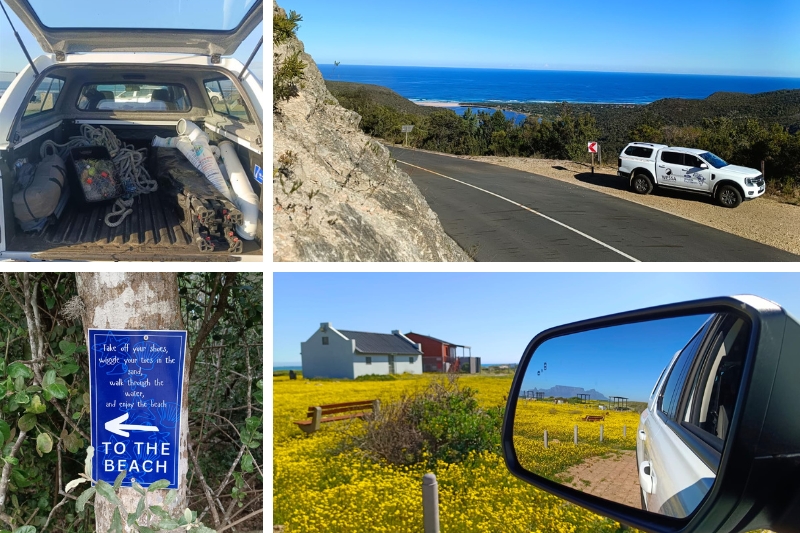
Through the Green Coast Programme, communities like Kei Mouth and Morgan Bay have transformed into active conservation hubs. Under the guidance of dedicated locals and environmentalists, these areas have become models of coastal stewardship, with initiatives ranging from mangrove monitoring to estuary health. It is a testament to how recognition and support can galvanise communities to protect their natural heritage.
Blue Flag and Green Coast promote sustainable tourism
The Blue Flag Programme not only signifies environmental quality but also promotes sustainable tourism practices. Beaches, marinas, and boats that achieve this status are recognised globally as safe, clean, and committed to conservation. This makes them preferred destinations for eco-conscious travellers, enhancing South Africa’s reputation as a premier eco-tourism destination.
Both the Blue Flag and Green Coast Programmes are deeply committed to environmental education and advocacy. These initiatives offer a platform for raising awareness, conducting citizen science projects, and encouraging a deeper connection between people and their coastal environments. It is about creating a culture of conservation that lasts.
Dr Deborah Roberston-Andersson, a marine scientist and Green Coast National Jury Member residing in Kei Mouth, shared inspiring stories of change brought about by the programme in Kei Mouth and Morgan Bay in the Eastern Cape. Participating in the Green Coast programme and earning recognition has united and mobilised these communities to monitor and protect coastal ecosystems. The communities pride themselves on keeping their environments clean and engaging in various initiatives, motivated by their Green Coast status.
Each award is a story of dedication, innovation, and community spirit. From Samantha Hansen’s shark cage diving company achieving Blue Flag Boat status to the inspiring community efforts in Kei Mouth and Morgan Bay, these stories not only celebrate success but also inspire us to continue our commitment to preserving South Africa’s coastal beauty for future generations. Each one of us has a role to play in environmental conservation, and together, we can achieve remarkable things.
How you can get involved
Support WESSA’S Blue Flag and Green Coast programmes dedicated to coastal conservation and sustainable tourism. You can contribute financially to these initiatives, sponsor specific projects or activities, or donate resources such as equipment or expertise.
By supporting WESSA’s initiatives, you can play a vital role in protecting and preserving coastal environments, promoting responsible tourism practices, and ensuring the long-term sustainability of coastal communities.
To find out more about how you can get involved contact: Kerry McLean – Senior Programme Manager: Coastal Programmes by emailing greencoast@wessa.co.za or Tevya Lotriet – Senior Sustainability Programme Manager at blueflag@wessa.co.za
Apr 19, 2024 | News
This Earth Day, April 22, 2024, let’s stand united against the urgent climate challenges that threaten our world.
South Africa, like many places, faces dire environmental issues – from devastating floods to declining water quality and rampant environmental degradation. These challenges disproportionately impact the most vulnerable among us, underlining the critical need for collective action.
Now, more than ever, we must make conscious, daily decisions that steer us towards a more sustainable and healthier future for our planet and its people. With the overwhelming threats of climate change, plastic pollution, food waste, and the loss of wildlife and critical ecosystems, it’s natural to feel powerless. Yet, every one of us has the power to effect change.
This Earth Day, we empower you to begin making a difference. We’re here to provide you with practical tips that not only help you honour our planet on April 22 but also inspire ongoing commitment. These actionable tips are ideal for sharing with colleagues and within your community, fostering a broader movement of environmental stewardship.
Get into the habit of recycling. Recycle unwanted goods – these materials handed over to local charities, schools and churches also benefit them. You could also recycle waste. A dedicated recycling container, that can be easily carried about, in your kitchen.
Diverting food wastes into a compost heap saves on waste removal, prevents climate harmful methane production and produces compost for fertilising your gardens. And declining unneeded food sachets and plastic cutlery from fast food outlets considerably reduces wastage.
Reducing your water usage has major benefits for the environment, social equality and your municipal bill! Shorter showers, a 500ml bottle in your toilet cistern (if not a dual-flush system), bucketing the initial cold shower water for your garden and bucket washing of cars all have cumulative, positive impacts.
Encourage a recycling mindset!
Together, let’s embrace our responsibility to nurture and protect our earth. Join us in transforming concern into action — because a sustainable planet relies on the choices we make today. Let’s act now, for our environment, for our communities, and for future generations.