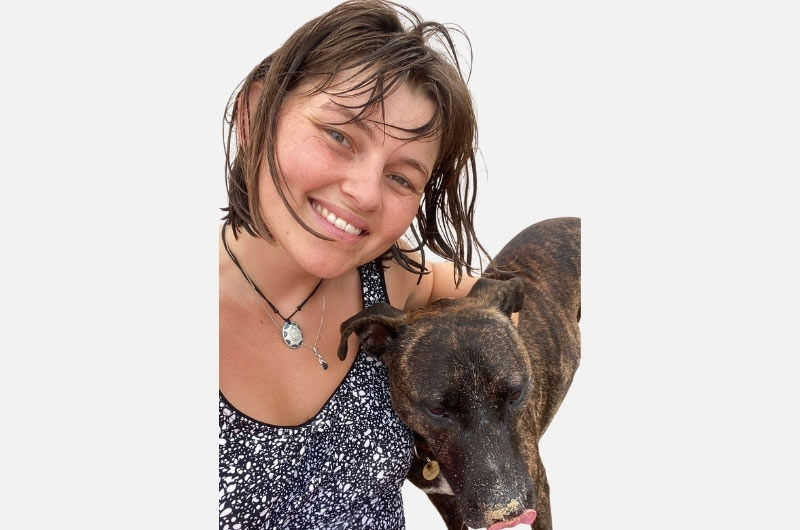
WESSA is pleased to welcome Katherine Imrie as the newly appointed Coastal Programme: Research and Monitoring Coordinator, based at the Chintsa East office.
Katherine joins WESSA with a strong academic foundation in marine biology, environmental science and sustainable development, as well as hands-on experience in field research, conservation storytelling and community engagement. Her work sits at the intersection of people, nature and conservation – a space she describes as being driven by “curiosity, connection and action”.
A deep connection to the natural world
Katherine’s journey into environmental work has been shaped by a lifelong love for nature and a desire to contribute to its protection in a way that also supports people.
“WESSA’s educate, advocate, act approach resonates with me because it turns awareness into meaningful action,” she adds.
For Katherine, conservation is not only about protecting ecosystems. It is also about strengthening the relationship between people and the natural world and recognising that lasting change is built through connection.
She is particularly drawn to WESSA’s community-driven conservation focus and believes that meaningful environmental action happens when people understand that they are part of the environment, not separate from it.
Bringing research, fieldwork and storytelling together
Katherine holds a Bachelor of Science in Marine Biology and Environmental & Geographical Science from the University of Cape Town, completed in 2024. She has also completed a Postgraduate Diploma in Sustainable Development through Stellenbosch University, where her studies included biodiversity and climate change, water and food systems, just and sustainable urbanism, governance, institutional change and leadership for sustainability transitions.
Her professional experience includes working as a field research assistant with the African Wildlife Economy Institute, supporting in-field data collection for research on sustainable game meat production. This role gave her practical experience in fieldwork logistics, stakeholder engagement and gathering data in varied socio-ecological contexts.
She also interned with Wild Africa, where she gained insight into impact-driven conservation through film, media and partnerships. This experience helped shape her view that conservation can happen in many ways – including through research, communication, collaboration and public engagement.
At WESSA, Katherine hopes to contribute by helping tell clear, relatable stories that connect people to environmental issues and encourage practical action, particularly in areas such as marine conservation and ghost gear awareness.
Supporting behaviour change through connection
In her new role, Katherine says, “I would like to help shift how people see their relationship with the environment, from something external to something they are part of. Even small shifts in awareness can lead to meaningful behaviour change, and I’d love to contribute to that through storytelling and engagement.”
Her approach reflects a strong appreciation for the link between people and ecosystems. She describes herself as curious, adaptable and eager to learn – qualities that will support WESSA’s ongoing work to educate, advocate and act for environmental and social justice, climate action, biodiversity protection and pollution reduction.
A message for future environmental changemakers
When asked what advice she would give to others starting out in environmental work, Katherine’s message is simple:
“Be brave. This work isn’t always recognised, but it is necessary. At its core, it’s all relational; it’s about building meaningful connections with people and the environment.”
As WESSA continues to strengthen coastal conservation, research and community engagement across South Africa, Katherine’s role will help support the organisation’s mission to turn awareness into action – and to inspire more people to care for the Earth.