Across KwaZulu-Natal, WESSA’s work under the UNICEF Green Rising Project continues to enable young people and communities to take meaningful environmental action – from restoring coastal ecosystems to transforming school spaces into thriving hubs of biodiversity.
We spotlight these initiatives as it reflects a meaningful shift from awareness to action, where learners, volunteers and local partners are working together to protect and restore the environments they depend on.
Restoring coastal ecosystems at Beachwood Mangroves
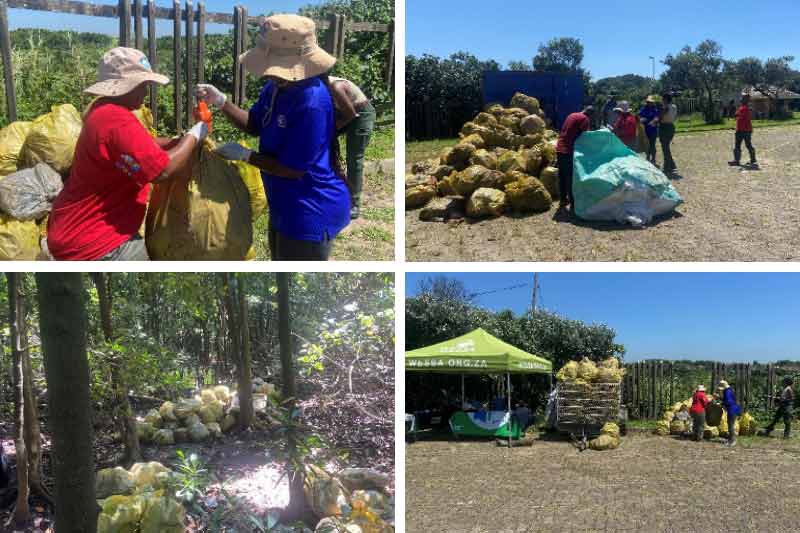
On the last Saturday in February, the Beachwood Mangroves became the focus of a large-scale clean-up led by WESSA in partnership with Tri-Eco and volunteers from Umlazi.
An estimated 1000–1200 kg of waste was removed from this fragile ecosystem, helping to protect critical breeding habitats and safeguard local biodiversity. Beyond the immediate environmental impact, the initiative highlighted the importance of community-led action in addressing pollution and restoring coastal ecosystems.
Inspiring ocean stewardship through marine education
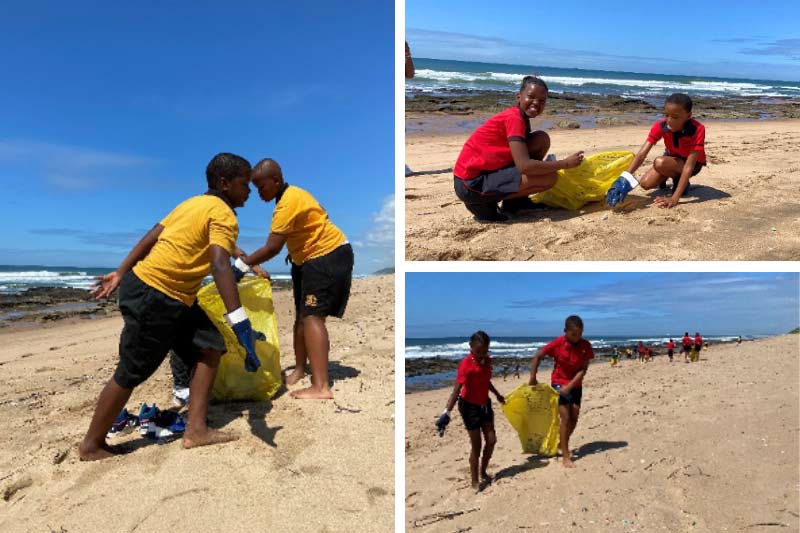
On 3 March 2026, learners from six schools gathered at Bluff Brighton Beach for a World Marine Biodiversity Workshop hosted in collaboration with the South Durban Community Environmental Alliance and Durban Solid Waste.
The workshop engaged 90 participants, combining environmental education with hands-on activities. Learners deepened their understanding of marine ecosystems before participating in a beach clean-up, collecting over 70 bags of waste and demonstrating their role as active ocean stewards.
Transforming school spaces through biodiversity gardens
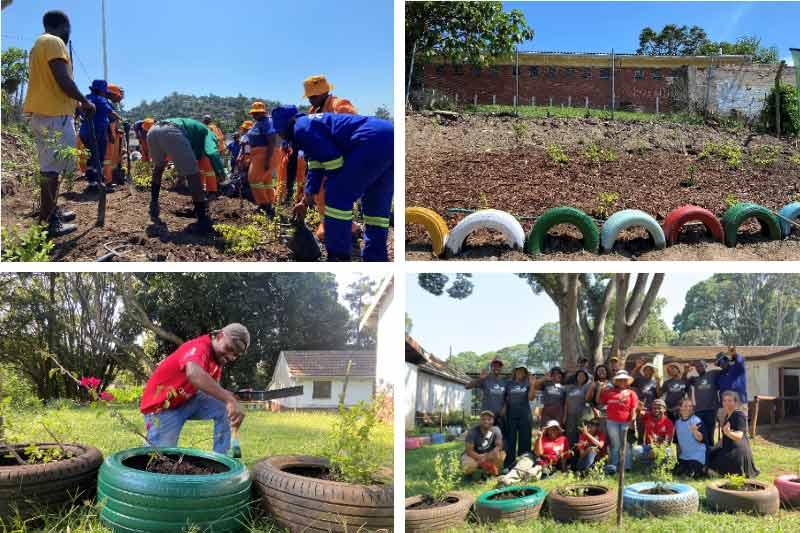
WESSA’s Green Rising interventions also focused on restoring and enhancing school environments through the establishment of biodiversity gardens, delivered in partnership with key local stakeholders.
At Ukukhanya Kwelanga Primary School, WESSA worked alongside Cleansing and Solid Waste Durban (CSW) and Expanded Public Works Programme (EPWP) volunteers to clear invasive alien plants and reintroduce indigenous species to improve both the ecological value and visual appeal of the school grounds.
At Fulton School for the Deaf, WESSA volunteers partnered with the school community to plant a variety of indigenous species, creating a more vibrant, inclusive and environmentally supportive learning space.
From learning to leadership
Across each of these initiatives, a common thread emerges: Young people are not only learning about environmental challenges, but they are also actively contributing to solutions.
Through the Green Rising Project, WESSA continues to enable learners and communities to take ownership of their environments, building the knowledge, skills and confidence needed to drive long-term, sustainable change.
As WESSA marks its 100th year, the Green Rising Project stands as a powerful example of how education, when combined with opportunity and support, can translate into tangible impact.
Youth-led actions are helping to shape a more resilient and environmentally conscious future.